Victoria vs. Vancouver: Cost, Commute and Lifestyle Trade-offs

If you're weighing Vancouver against Victoria, you've probably already heard the pitch: same province, same coastline, half the price, none of the traffic. It's not that simple, and a move to Victoria planned as a cheaper Vancouver with better weather often runs into costs the pitch leaves out. Statistics Canada's 2021 Census commuting data shows just how different these two labor markets are in scale, and that difference drives almost everything else in this comparison.
Choosing Victoria means making a trade: it gives up job-market depth and same-day access to Vancouver's specialists, head offices and connections in exchange for cheaper housing, a noticeably drier climate and a slower pace. Whether that trade works for you depends almost entirely on whether your income has to physically be in Vancouver.
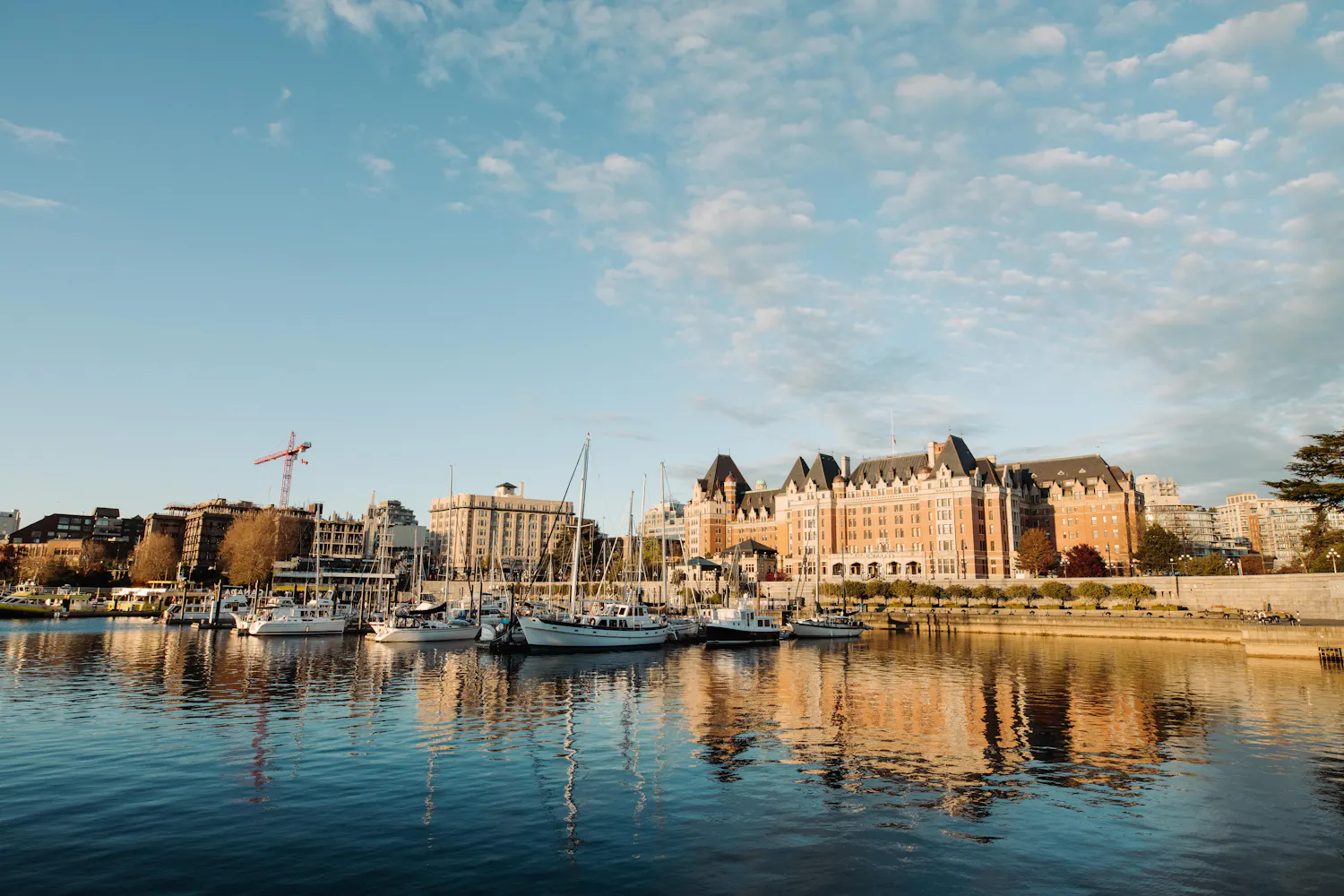
Victoria tends to suit remote workers, retirees, government employees, and anyone whose income doesn't depend on being physically present in Vancouver on short notice. It also suits people who have made peace with a smaller, calmer city and don't need Vancouver's restaurant scene, its concentration of head offices, or its direct flights to Asia and Europe.
Victoria tends not to suit people early in a Vancouver-based career, anyone in an industry that clusters in Mainland BC (finance, film and TV production, most tech scaleups, the trades tied to Lower Mainland construction volume), or families who need frequent access to a pediatric specialist, a particular hospital department, or a head office that expects you in the room. It's a smaller, self-contained economy on an island, and the ferry or a flight is the price of that.
The gap is real but smaller than most people assume, and it varies a lot by what you're buying versus renting. On the rental side, CMHC's Fall 2025 Rental Market Report (the most recent available as of September 2026, based on its October 2025 survey) puts average purpose-built two-bedroom rent at:
That last line matters: Victoria's purpose-built vacancy rate (3.3%) is already lower than Vancouver's (3.7%), and its condo rental market is tighter still, at 0.3% vacancy, almost fully occupied. If your plan is to rent a condo rather than wait for a purpose-built unit, Victoria's supply is tighter than the headline number suggests.
On the ownership side, August 2026 benchmark prices from the Victoria Real Estate Board and the Real Estate Board of Greater Vancouver (via CREA) show the following, with the Vancouver figures covering the Greater Vancouver board area:
Victoria is meaningfully cheaper to buy into, especially for a detached home, but it isn't the discount market people imagine from a coastal capital of roughly 400,000 people. If you're comparing neighborhoods within Vancouver itself before deciding whether to look at the Island at all, our guide to choosing your Vancouver neighborhood by commute time is a useful first stop.
We handle your MSP, SIN, housing and school search.
The crossing is where the "cheaper Vancouver" framing falls apart for anyone who needs to move between the cities regularly.
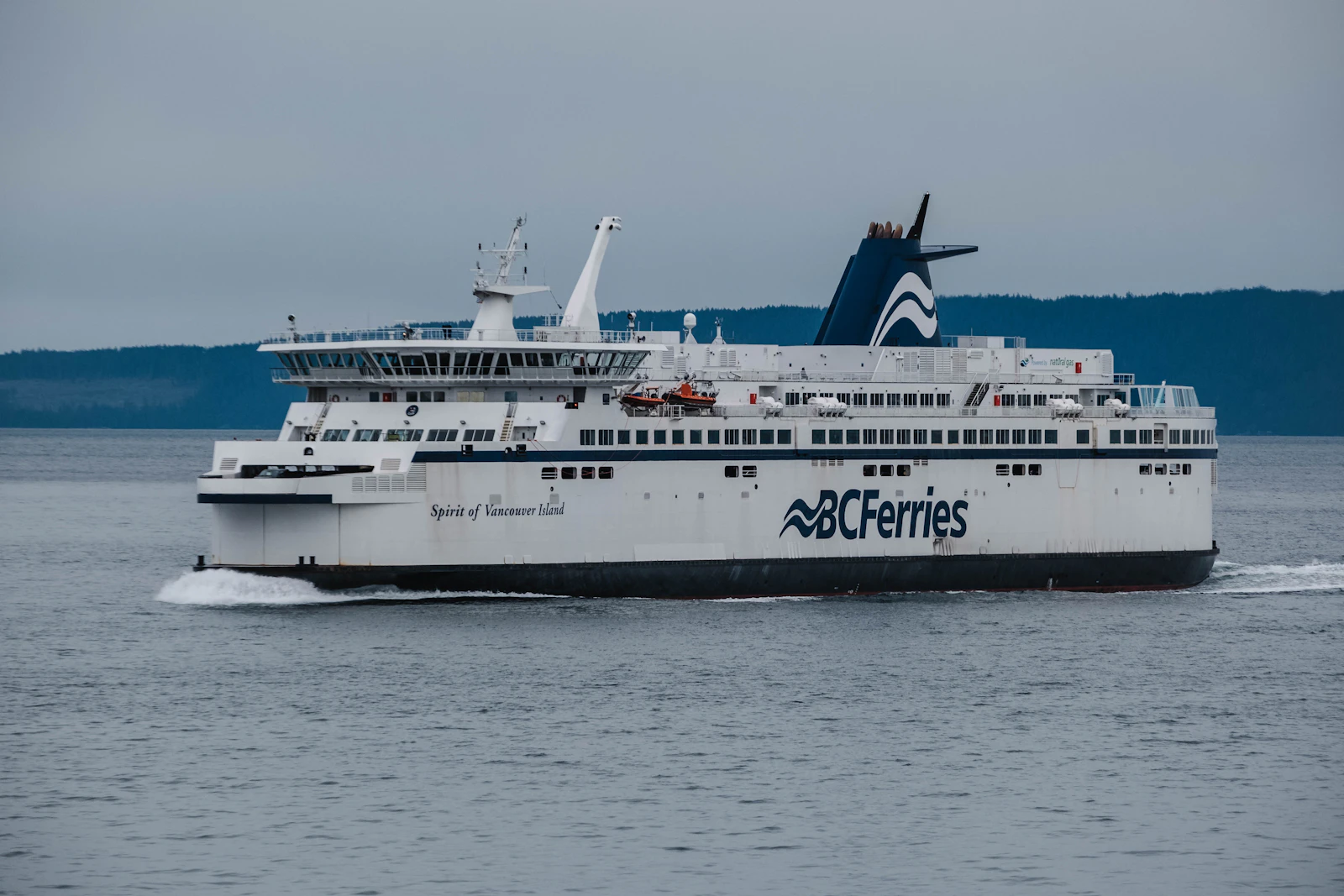
BC Ferries runs two main routes connecting the Lower Mainland to Vancouver Island. Per BC Ferries' current fare schedule (effective 2026, checked September 2026):
Add terminal arrival time on top of the sailing itself. Since 15 October 2025, and still as of October 2026, all vehicle customers traveling from Horseshoe Bay to Departure Bay must book and pay in advance while multi-year terminal construction continues. BC Ferries has not announced an end date. In practice, a "quick trip to Vancouver" by car and ferry is a half-day commitment each way once you count the drive to the terminal, the wait, the crossing, and the drive in from the other side. Peak summer weekends and long weekends routinely sail full, and walking on as a foot passenger is far more flexible than bringing a vehicle for a genuine day trip.
For people who make this trip often, flying is usually the better trade, even though it costs more per trip.
Floatplane and helicopter fares are what turn Victoria from "a day trip to Vancouver" into something realistic for a working professional, but they add up on top of a rental or mortgage, and unlike the ferry, weather and fog can ground them. Build this into your monthly budget honestly if your job, your specialist appointments, or your family are on the other side of the water.
Everyday costs in Victoria don't follow the rent gap. Rather than repeat numbers that belong to their own posts, see our detailed breakdowns of what groceries actually cost in Vancouver and dining out costs by Vancouver neighborhood for the Vancouver side of the comparison. Victoria's grocery prices track close to Vancouver's since both cities are served by the same major chains and much of the same supply chain, with the main savings showing up in rent rather than the weekly shop.
Healthcare coverage and auto insurance are set provincially, not by city, so BC's public plan and ICBC rates apply the same basic structure whether you land in Vancouver or Victoria; our guide to MSP vs. private insurance in BC covers that ground. Transit is the clearer contrast: Victoria's BC Transit system is smaller and less frequent outside peak hours than Vancouver's TransLink network, which matters if you're planning to live without a car.
Victoria's economy runs on a narrower set of pillars than Vancouver's, which is the real source of the trade-off here. The BC government's regional economic data and local industry groups point to four sectors: the BC Public Service, with more than 10,000 provincial government employees based in the capital region; a technology sector of about 1,170 firms and roughly 20,000 jobs, with an estimated $7.8 billion CAD economic impact, according to VIATEC's 2023 Economic Impact Study; tourism, with 4.9 million visitors in 2023 generating $1.9 billion CAD in visitor spending, according to Destination Greater Victoria; and a marine and maritime cluster tied to the harbor and CFB Esquimalt.
Vancouver's economy is simply broader: finance, film and television production, head offices, a larger tech scaleup ecosystem, and the port and logistics sector tied to Canada's busiest gateway to Asia-Pacific trade. If your career sits in one of Victoria's four pillars, or your income is fully remote, the job market question resolves itself. If it doesn't, plan on changing careers, taking a Victoria-based role at a lower band, or keeping your Vancouver job and testing how remote work holds up once you're a ferry ride from head office.
Victoria sits in the rain shadow of the Olympic Mountains on the Washington side of the Strait of Juan de Fuca, which blocks a significant share of the Pacific storm systems that hit Vancouver directly. Per Environment and Climate Change Canada's 1991 to 2020 climate normals, Victoria's monitoring stations record annual precipitation well under half of Vancouver's, with Vancouver stations averaging roughly 1,400 to 1,600 mm a year against Victoria's roughly 600 to 650 mm.
The rain shadow shows up in the measurements: Victoria gets fewer rainy days and less total rainfall than Vancouver. It doesn't mean sunshine on demand. Victoria still has a gray, damp winter by most standards outside the Pacific Northwest, just a meaningfully shorter and drier one than Vancouver's.
Families relocating to Greater Victoria will land in one of two main public school districts depending on where they settle: Greater Victoria School District 61, which covers the core municipalities of Victoria, Oak Bay, Esquimalt and View Royal, or Saanich School District 63, covering the Saanich Peninsula municipalities north of the core. Families settling in Vancouver proper fall under the Vancouver School Board. As with any BC relocation, which district you land in depends on your residential address, so confirm catchment boundaries with the district directly before signing a lease.
Healthcare works the same way administratively but the geography matters more on the Island. Greater Victoria falls under Island Health, while Vancouver falls under Vancouver Coastal Health. Both operate under BC's public MSP system, so coverage itself doesn't change, but access to specialists does: Vancouver's teaching hospitals concentrate a wider range of subspecialists than Victoria's Royal Jubilee and Victoria General Hospitals, and it's common for Island Health patients needing certain specialized surgical or pediatric care to be referred across the water. If a family member has an ongoing specialist relationship in Vancouver, ask directly whether that care transfers to Island Health or whether you'd be traveling back for appointments. If you'd be traveling back, budget for it as a recurring cost in time and fares.

Run through this before you commit to either city:
There's no universally right answer here, and anyone who gives you one without asking about your job first is guessing. Victoria rewards people who can live somewhat separately from Vancouver's economy. Vancouver rewards people who need to be inside it. A relocation planner who knows both cities can help you pressure-test which one actually fits your specific job, family and budget rather than the general reputation either city has earned online.
If you're still torn after that list, our relocation planning and consulting service helps families choose between the two cities, starting from where your income has to be and how often you'd be crossing the water. Send us your job situation, your budget and any specialist care your family relies on, and we can talk through weighing Victoria against Vancouver for your household.

Keep reading
Related insights from our team to support your relocation journey.