Choosing Your Vancouver Neighbourhood by Commute Time
When relocating to Vancouver, one of the most important decisions you'll make is choosing where to live. While factors like housing costs, amenities, and lifestyle preferences matter, your daily commute can significantly impact your quality of life. Understanding Vancouver's unique geography and transit options will help you find the right neighborhood that balances convenience with your other priorities.
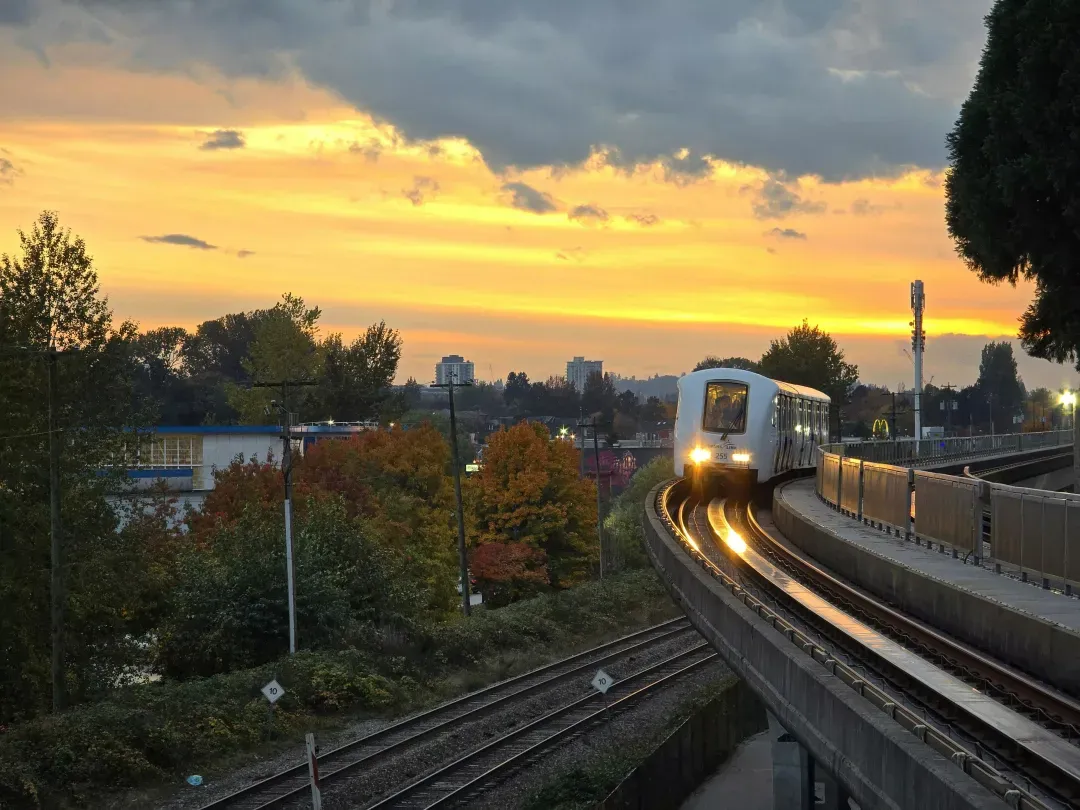
Vancouver's public transportation system, operated by TransLink, includes SkyTrain rapid transit lines, buses, and SeaBus ferries. The city's geography, bounded by water and mountains, creates natural corridors that influence commute patterns. Traffic congestion peaks between 7-9 AM and 4-6 PM, particularly on bridges connecting Vancouver to the North Shore and eastern suburbs.
Unlike cities with extensive subway networks, Vancouver relies heavily on its three SkyTrain lines: the Expo Line (running east-west through downtown to Surrey), the Millennium Line (connecting east Vancouver to Burnaby and Coquitlam), and the Canada Line (linking downtown to Richmond and the airport). Understanding these lines is essential to choosing a strategically located neighborhood.
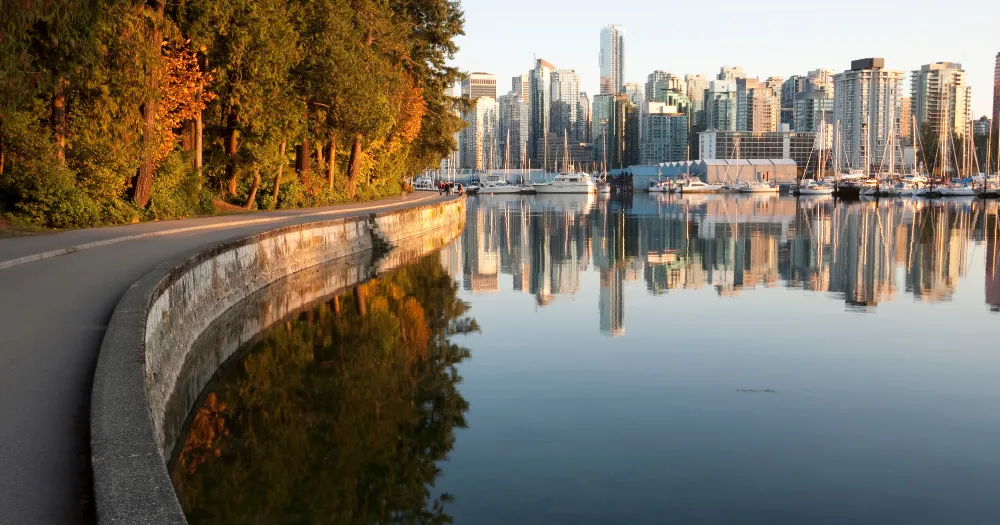
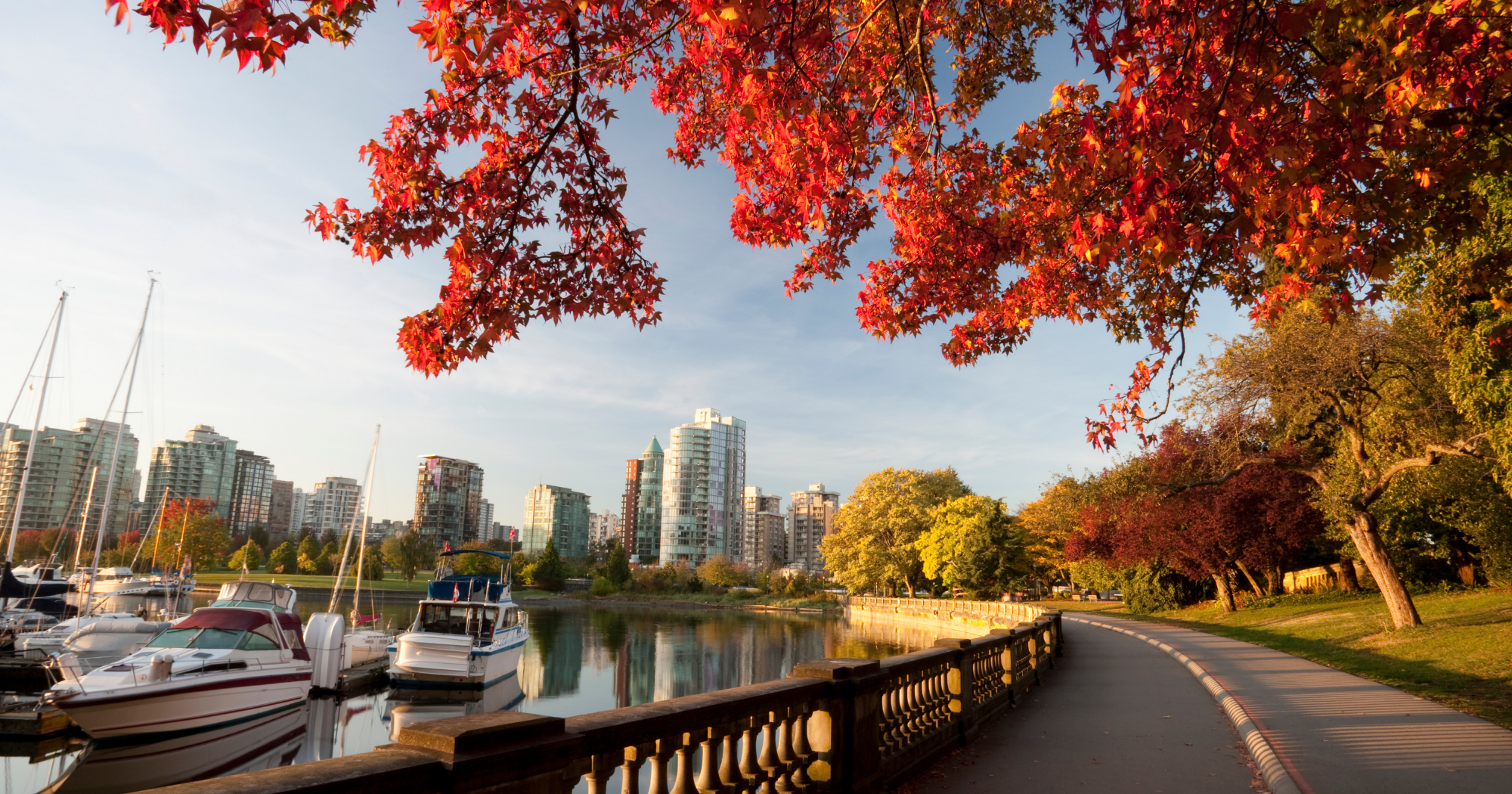
If you work in Vancouver's downtown core, living in the West End, Yaletown, or Coal Harbour puts you within walking or cycling distance of most offices. The West End offers walkability to downtown in 10-15 minutes, with the added benefit of proximity to Stanley Park and English Bay beaches. These neighborhoods command premium prices, but many residents find the trade-off worthwhile when they eliminate commute time entirely.
Yaletown appeals to professionals seeking modern condos and a vibrant dining scene, while Coal Harbour attracts those wanting waterfront living with immediate access to the seawall. The trade-off is typically smaller living spaces and higher per-square-foot costs compared to neighborhoods further from the core.
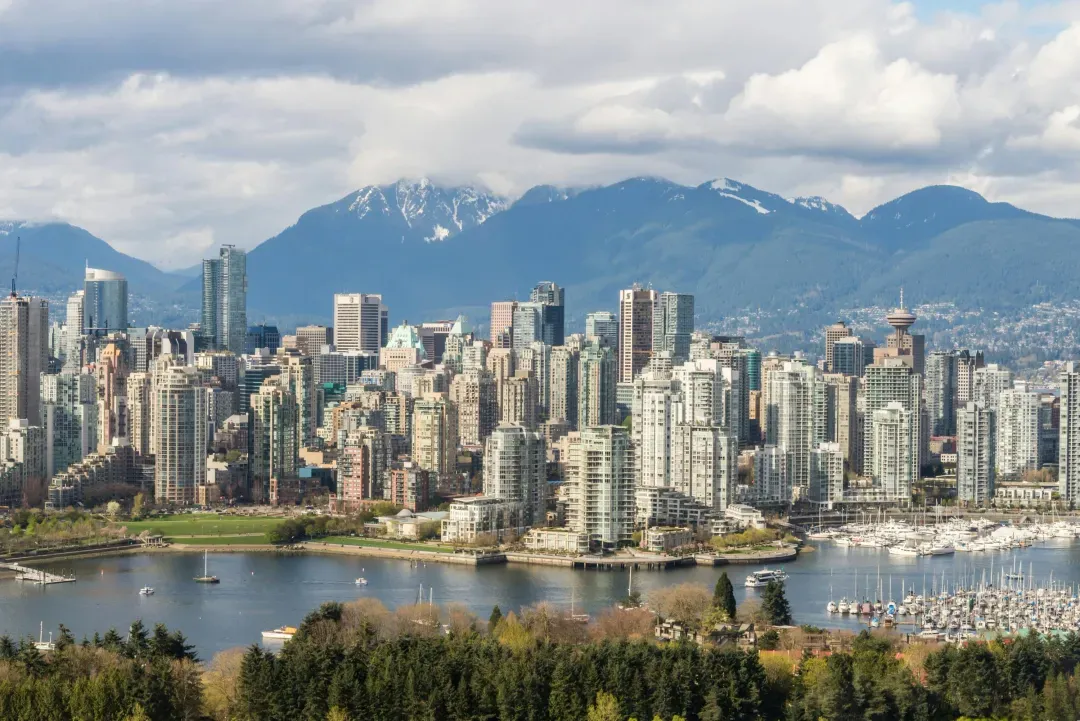
Mount Pleasant, centered around Main Street and Broadway, has emerged as one of Vancouver's most desirable neighborhoods for those seeking balance between urban amenities and commute efficiency. The upcoming Broadway Subway extension, expected to open in 2026, will greatly improve access to this area, reducing commute times to downtown to approximately 15 minutes.
Currently, the 99 B-Line bus provides rapid service along Broadway, though it can be crowded during peak hours. Residents here enjoy independent coffee shops, breweries, and restaurants, plus relatively more affordable housing compared to downtown. Cycling to downtown typically takes 20-25 minutes, making this a popular choice for active commuters.
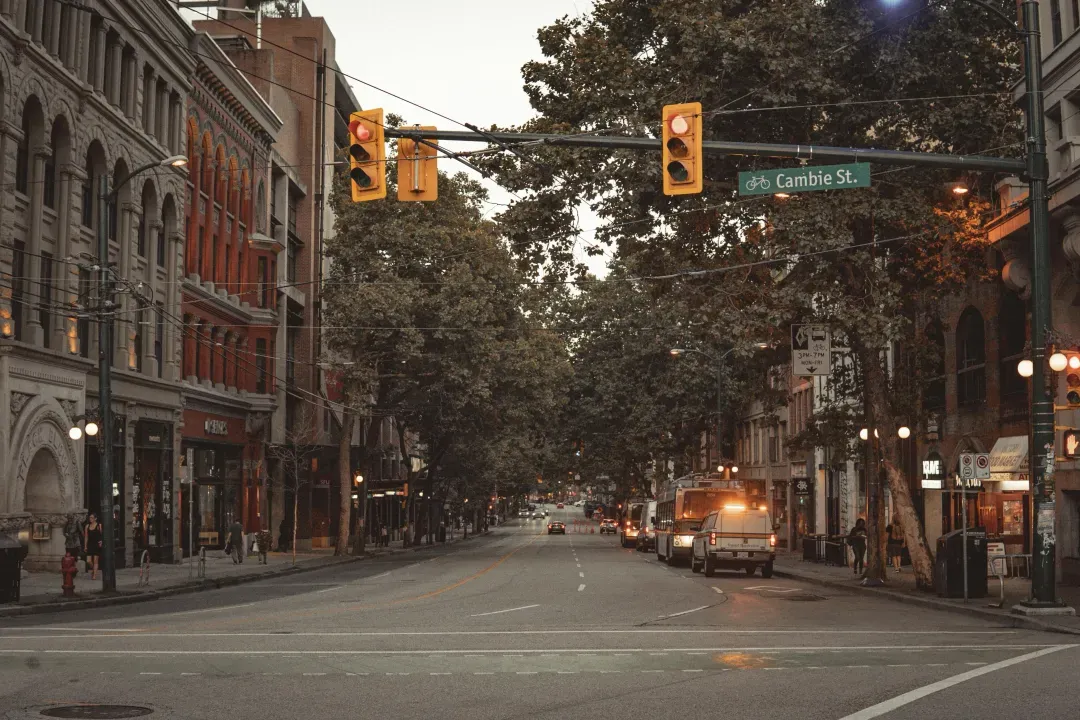
Kitsilano offers beach access, parks, and a laid-back atmosphere that appeals to families and young professionals. However, commuting from "Kits" requires consideration. Bus travel to downtown takes 25-35 minutes, depending on your exact location and traffic conditions. The neighborhood lacks SkyTrain access, making it less convenient for those without flexible work schedules.
Point Grey, extending toward the University of British Columbia, adds another 10-15 minutes to the commute. These neighborhoods suit individuals who work from home part-time, have off-peak work hours, or prioritize lifestyle over commute efficiency. The payoff includes larger living spaces, proximity to beaches, and excellent schools.
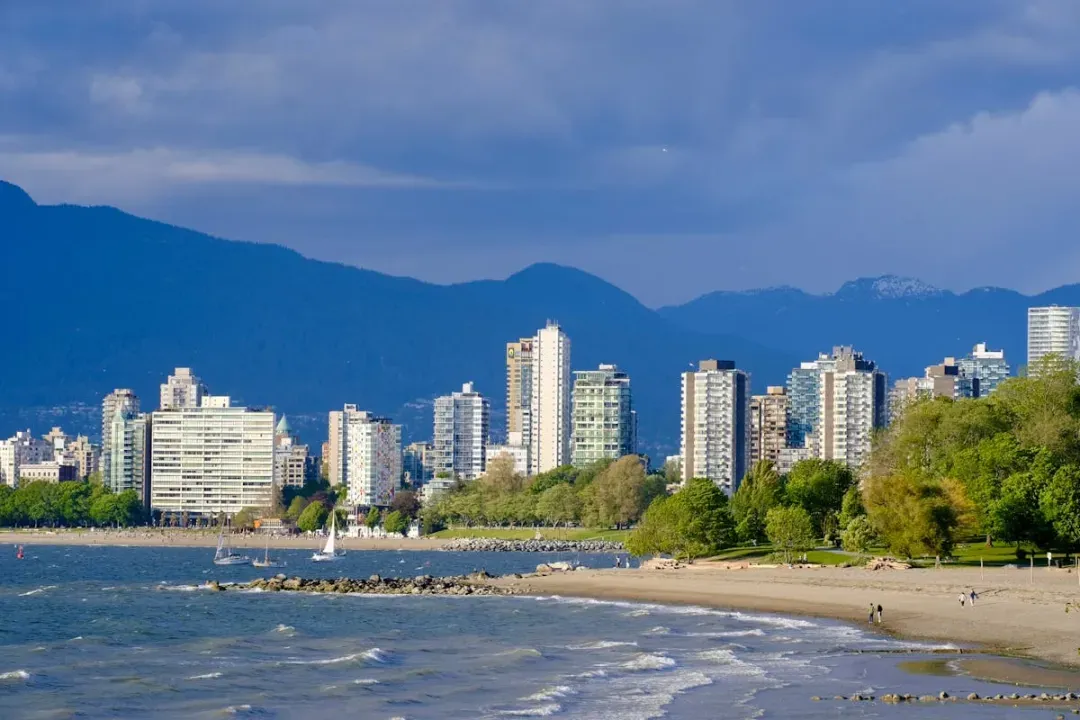
Commercial Drive ("The Drive") offers cultural diversity, independent shops, and a strong community atmosphere. With the Millennium Line running through this area, SkyTrain access to downtown takes 20-25 minutes. The neighborhood attracts artists, families, and those seeking more affordable housing while maintaining good transit connections.
Hastings-Sunrise, slightly further east, provides even more housing value with similar transit times. Both neighborhoods offer the advantage of being closer to destinations in Burnaby and beyond, making them strategic choices if you work outside downtown Vancouver.
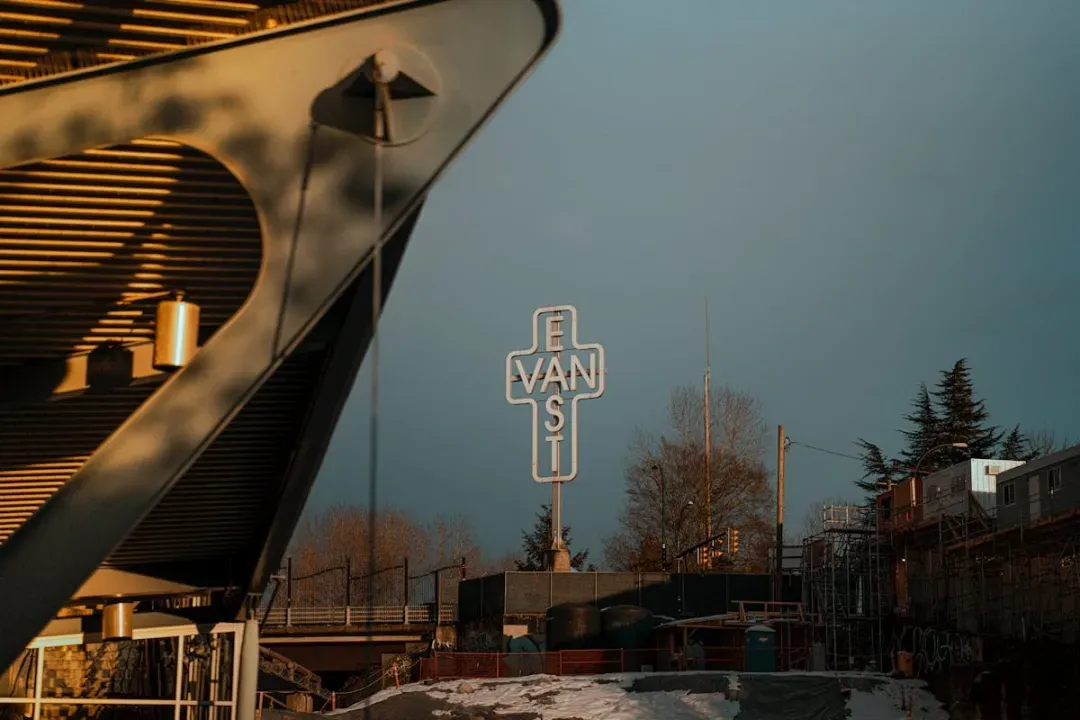
Burnaby's Metrotown area and New Westminster offer significantly more affordable housing while maintaining reasonable SkyTrain commutes of 30-40 minutes to downtown. Metrotown serves as Metro Vancouver's second-largest commercial center, meaning some residents can work locally and avoid downtown commutes entirely.
New Westminster, with its historic character and riverside location, has become increasingly popular among families. The SkyTrains runs frequently, and the commute is predictable, a major advantage over neighborhoods relying solely on buses. These areas also offer larger homes and more green space, appealing to families with children.
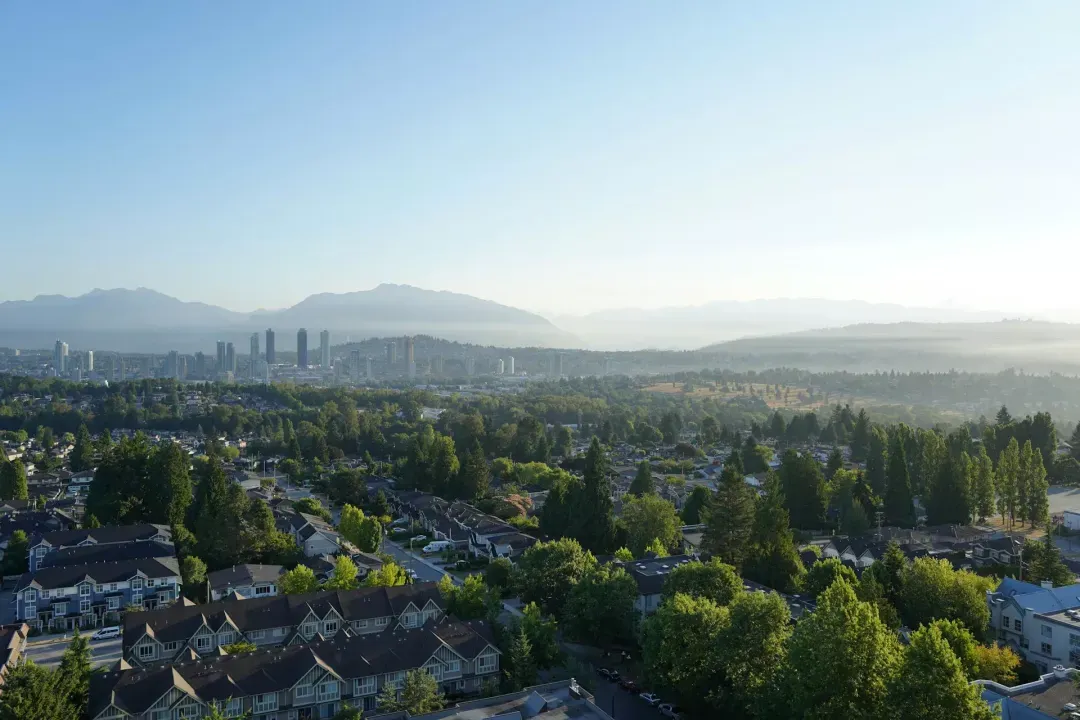
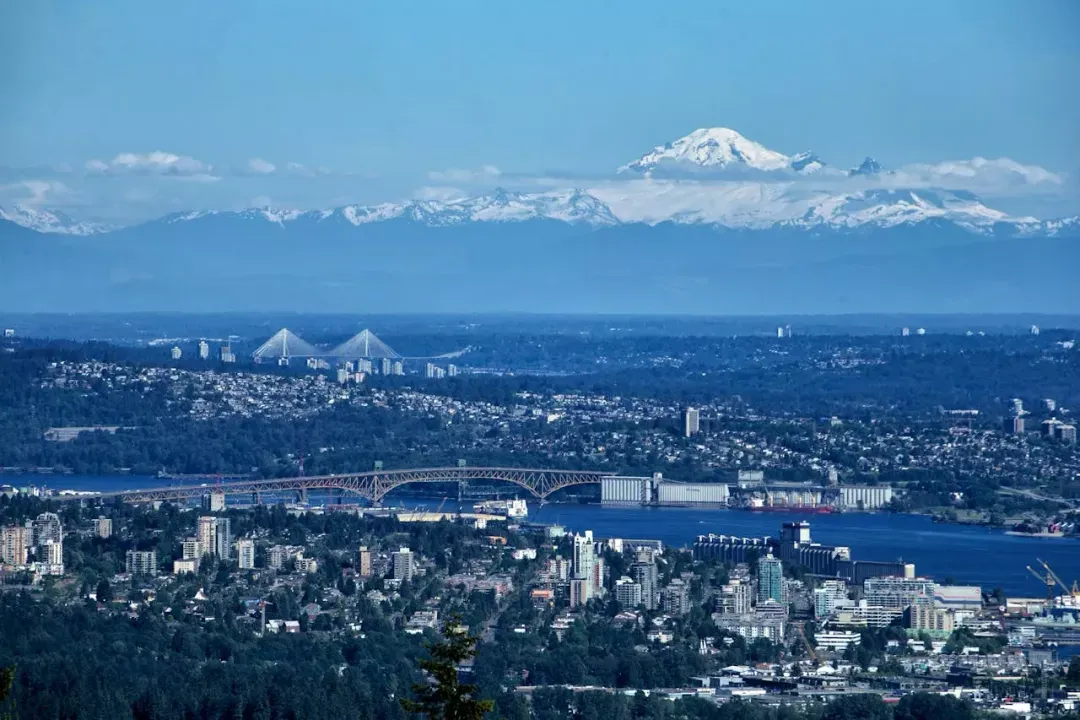
The North Shore offers spectacular mountain views and outdoor recreation, but crossing the Lions Gate or Second Narrows bridges adds complexity to commuting. Bridge traffic can extend 20-minute commutes to 45+ minutes during peak hours. The SeaBus from Lonsdale Quay to downtown provides a reliable 15-minute alternative, though it limits where you can live on the North Shore.
West Vancouver offers prestige and natural beauty but presents the most challenging commute, often exceeding an hour during rush hour. These neighborhoods suit executives with flexible schedules, retirees, or those working locally in North Vancouver's growing business sector.
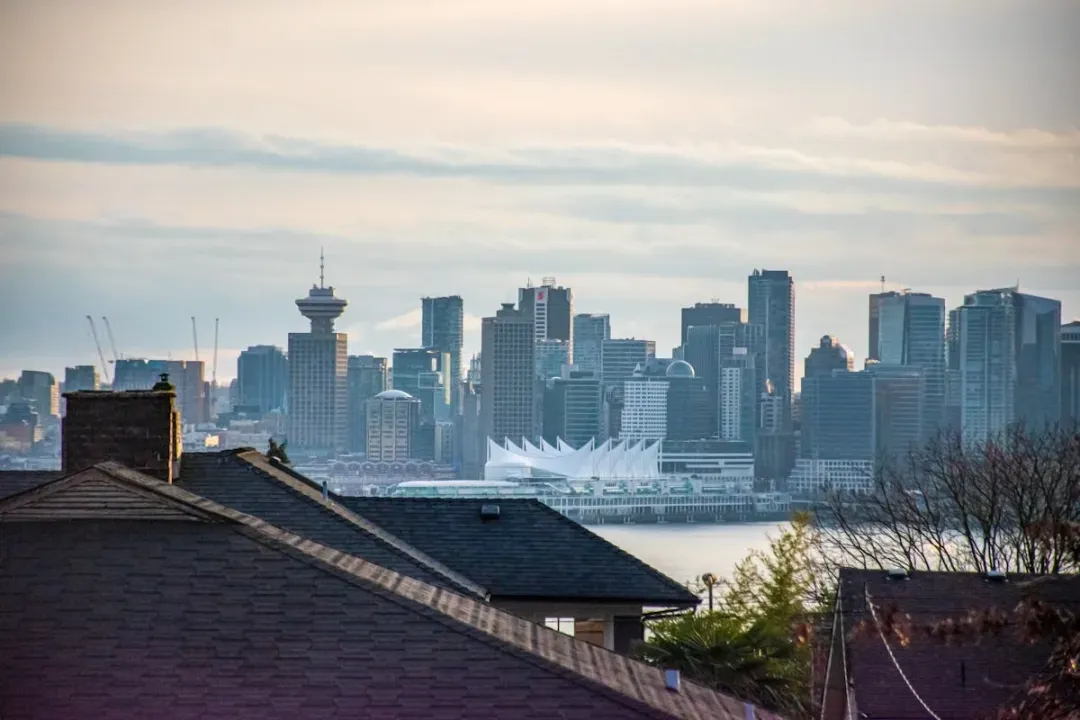
When choosing your Vancouver neighborhood, consider these factors beyond commute time:
Your work schedule flexibility matters most. If you can shift your hours to avoid peak traffic, neighborhoods like North Vancouver become more viable. Remote work arrangements change the equation entirely, allowing you to prioritize lifestyle over transit access.
Calculate your total commute cost. Make sure to include transit passes, parking, or vehicle expenses. A shorter commute in a pricier neighborhood might actually save money when factoring in transportation costs and time value.
Think about future changes. The Broadway Subway will transform Mount Pleasant and surrounding areas. Development around new transit lines typically increases both convenience and property values.
Test your commute before committing. Visit potential neighborhoods during your actual work hours and take the journey to your workplace. Traffic apps and transit schedules don't capture the lived experience of that daily routine.
Vancouver's diversity means you'll find neighborhoods matching nearly any commute preference and lifestyle priority. Whether you choose the walkability of downtown, the balanced charm of Mount Pleasant, or the mountain access of North Vancouver, understanding commute realities helps you make an informed decision that supports your daily life.
At Pacific Relocation, we help newcomers work through these decisions with local expertise and on-the-ground knowledge. Your ideal neighborhood isn't just about minutes on transit, it's about finding where your new West Coast life will thrive.

Keep reading
Related insights from our team to support your relocation journey.