Average Commute Times from 5 Popular Vancouver Suburbs
For professionals and families considering a move to Metro Vancouver, understanding commute times is essential to finding the right balance between lifestyle, housing costs, and daily convenience. The Greater Vancouver area is a major metropolitan region in BC, encompasses the City of Vancouver and 20 surrounding municipalities like Surrey, Burnaby, Richmond, Coquitlam, and the North/West Vancouver districts. It offers diverse suburban communities, each with its own character and connectivity to downtown Vancouver and major employment hubs.
Whether you're relocating for work, starting a business, or simply seeking a better quality of life on the West Coast, knowing what to expect from your daily commute can significantly impact your housing decisions. Here's what you need to know about five of Vancouver's most popular suburban communities.
Average commute to downtown Vancouver: 25-35 minutes
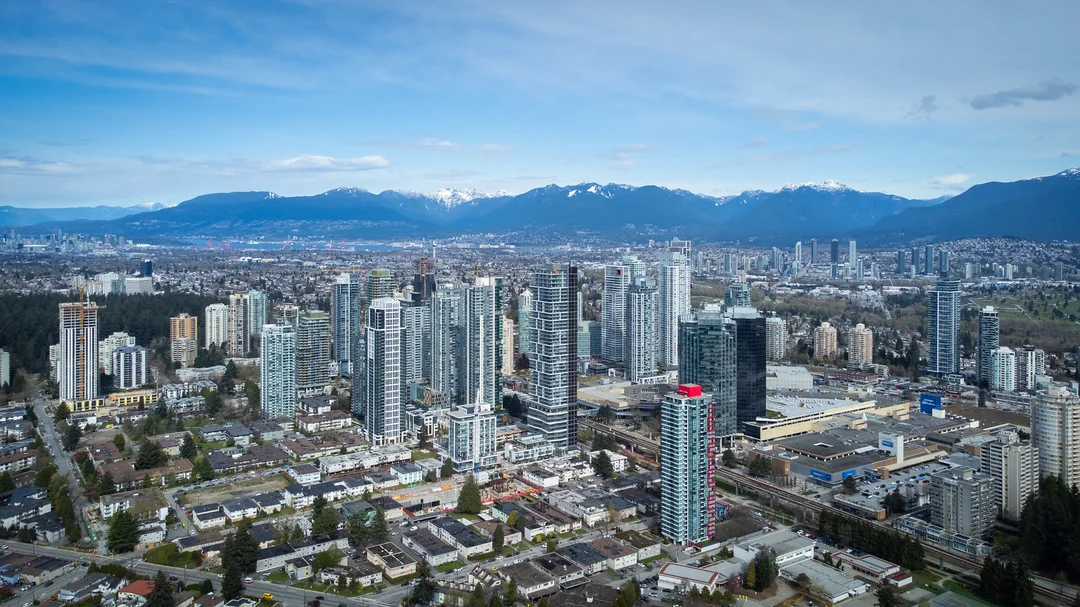
Burnaby sits directly east of Vancouver and serves as the geographic heart of Metro Vancouver. This strategic location makes it one of the most accessible suburbs for professionals working downtown or at other major employment centers, such as Surrey or Richmond.
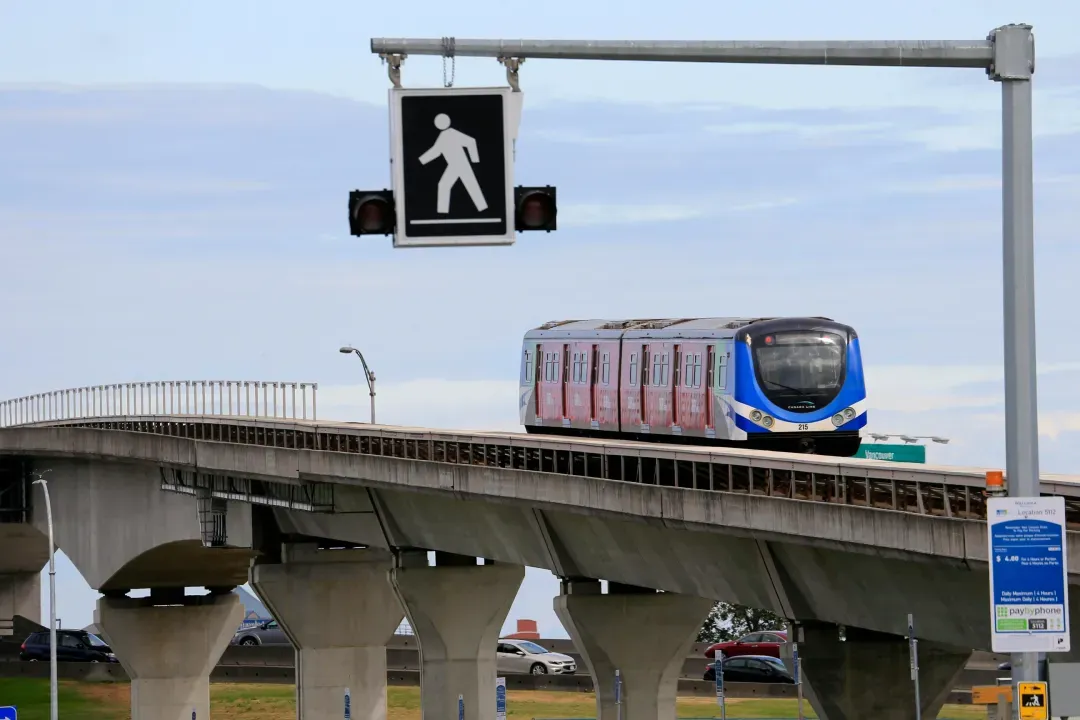
By SkyTrain, residents can reach downtown Vancouver in approximately 20-25 minutes from stations like Metrotown or Brentwood Town Centre. The Expo and Millennium Lines run through Burnaby, providing frequent service during peak hours with trains arriving every 3-5 minutes. For those driving, the commute typically takes 25-35 minutes via Highway 1 or Kingsway, though traffic during rush hours (7:30-9:30 AM and 4:30-6:30 PM) can extend this to 45 minutes or more. What makes Burnaby particularly attractive is its multiple rapid transit connections and growing number of local employment opportunities. The city hosts major tech companies, film studios, and Simon Fraser University, meaning many residents don't need to commute to Vancouver at all.
Average commute to downtown Vancouver: 30-40 minutes
Located south of Vancouver and home to the Vancouver International Airport, Richmond offers a unique suburban lifestyle with strong connections to both downtown and the airport employment corridor. The Canada Line SkyTrain provides direct service from Richmond to downtown Vancouver, with the journey taking approximately 25-30 minutes from Richmond Centre or Bridgeport stations. This makes Richmond particularly appealing for frequent travelers and professionals working downtown who want more affordable housing options.
Driving downtown typically takes 30-40 minutes via the Oak Street Bridge or Knight Street Bridge, though both bridges can become bottlenecks during peak hours. Richmond's flat terrain and extensive bike path network also make it surprisingly cycle-friendly for those working locally or willing to combine biking with transit. The city's proximity to YVR makes it ideal for business owners in import/export, tourism, or aviation industries. Moreover, the area is known for its thriving cultural scene and excellent Asian dining options, which newcomers from Pacific Rim countries may find appealing, offering a taste of home.
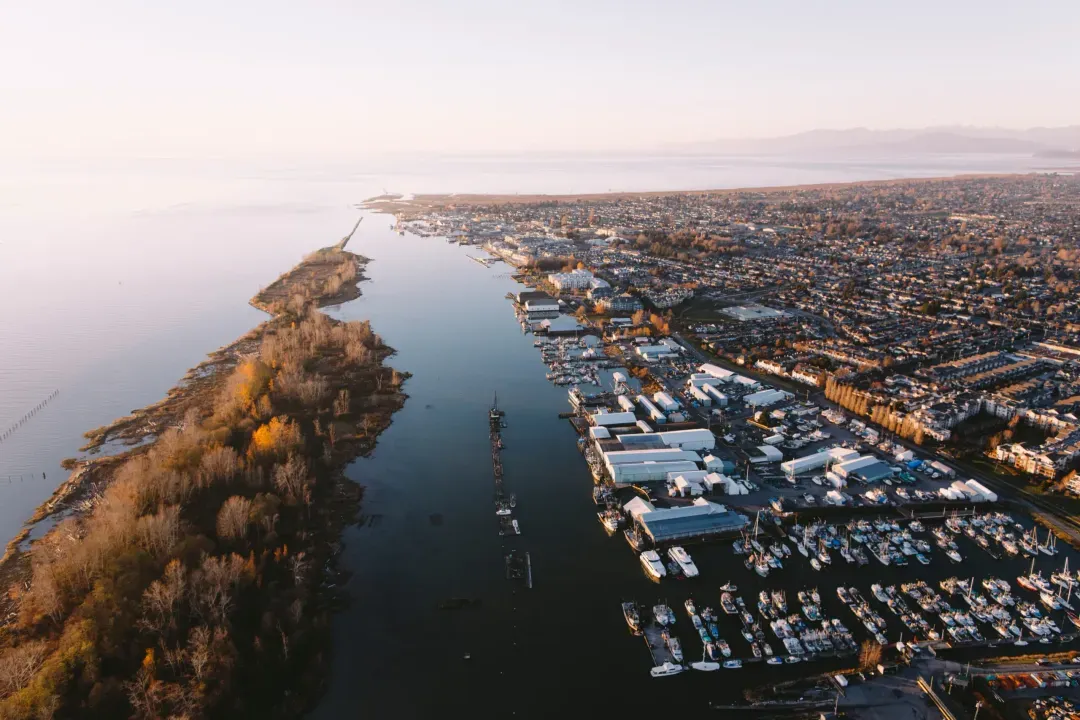
Average commute to downtown Vancouver: 45-60 minutes
Surrey is British Columbia's second-largest city and one of the fastest-growing municipalities in Canada. While it offers the most affordable housing in Metro Vancouver, the trade-off is a longer commute for those working in downtown Vancouver. The SkyTrain's Expo Line connects Surrey to downtown Vancouver, with the journey from Surrey Central taking approximately 45-50 minutes. The newer communities around King George Station offer slightly shorter commutes. At the same time, areas like Cloverdale or South Surrey add 15-20 minutes to the commute when factoring in the drive to the nearest SkyTrain station.
For drivers, the commute via Highway 1 typically takes 50-70 minutes, depending on traffic conditions and the exact location within Surrey. Many Surrey residents working downtown adjust their schedules to avoid peak traffic or opt for express bus services that use HOV lanes. However, Surrey's appeal extends beyond being a bedroom community. The city is rapidly developing its own economic center around Surrey Central and City Centre, with new businesses, tech companies, and educational institutions creating local employment opportunities. For entrepreneurs or remote workers, Surrey offers excellent value and a more spacious lifestyle.
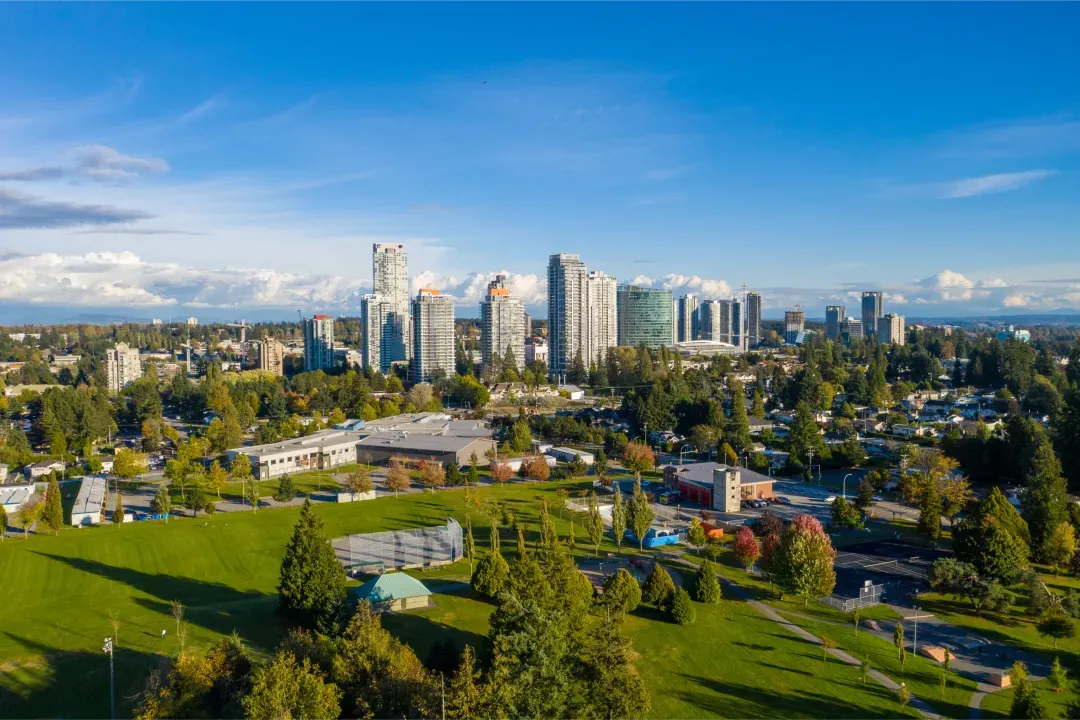
Average commute to downtown Vancouver: 35-45 minutes
Coquitlam, part of the Tri-Cities area along with Port Coquitlam and Port Moody, provides a suburban lifestyle with excellent transit connections and access to outdoor recreation. The Evergreen Extension of the Millennium Line transformed Coquitlam's connectivity when it opened in 2016. Residents near Coquitlam Central, Lafarge Lake-Douglas, or Lincoln stations can reach downtown Vancouver in 40-45 minutes via SkyTrain. The West Coast Express commuter rail also serves Coquitlam, offering a comfortable 45-minute ride to downtown during peak hours, though this service operates primarily during rush hours on weekdays.
Driving to downtown typically takes 40-50 minutes via Highway 1, though traffic can significantly impact travel times during peak periods. However, Coquitlam's location makes it ideal for cross-regional commuters who work in Burnaby, Surrey, or even the Fraser Valley, as these destinations are often closer than downtown Vancouver. The Tri-Cities offer a strong sense of community, excellent schools, and immediate access to hiking trails and outdoor activities, appealing to families and outdoor enthusiasts who want nature at their doorstep.
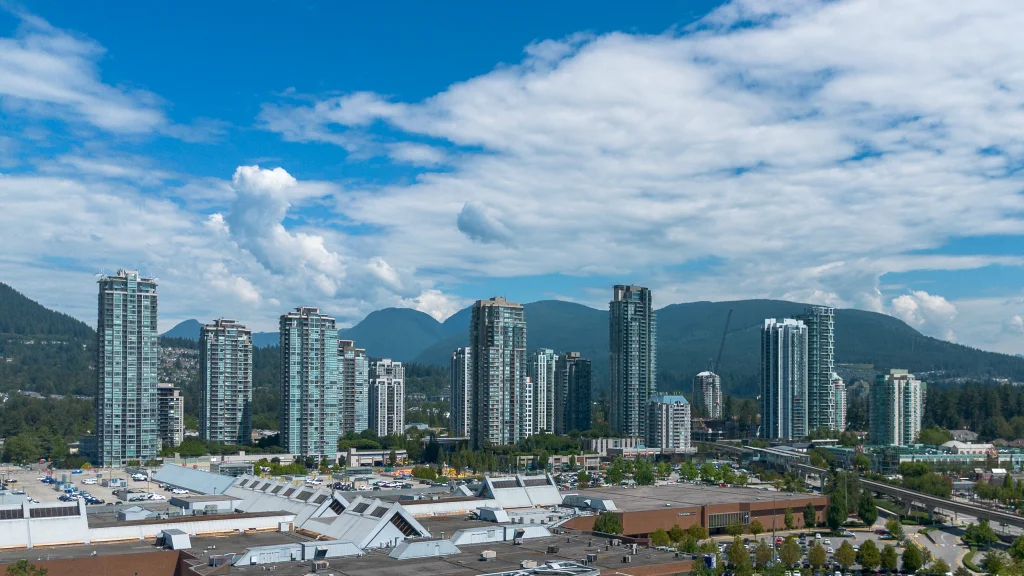
Average commute to downtown Vancouver: 25-40 minutes
North Vancouver, separated from Vancouver by the Burrard Inlet, offers dramatic mountain views and outdoor recreation while maintaining relatively quick access to downtown. The SeaBus provides a scenic 12-minute crossing from Lonsdale Quay to downtown's Waterfront Station, running every 15 minutes during peak hours and every 30 minutes during off-peak times. When factoring in connections to and from the SeaBus terminals, the total commute typically ranges from 30 to 40 minutes, depending on your exact location in North Vancouver.
For drivers, the Lions Gate Bridge offers the most direct route, typically taking 20-30 minutes in light traffic but 40-50 minutes during rush hour. The Second Narrows Bridge (Ironworkers Memorial Bridge) provides an alternative route, particularly useful for those working in East Vancouver or Burnaby. North Vancouver's appeal lies in its unparalleled access to nature. World-class hiking, mountain biking, and skiing are minutes from home. The trade-off is generally higher housing costs than in other suburbs, reflecting the area's desirability and limited land availability due to its mountainous terrain.
When choosing where to live in Metro Vancouver, commute time is just one factor among many. Consider your work location, whether you'll need a car, your lifestyle preferences, and your budget. Many relocating professionals find that proximity to good transit, quality schools, and community amenities matters more than shaving 10 minutes off their commute.
Vancouver's commitment to expanding transit infrastructure means that connectivity continues to improve. The region's relatively mild climate also makes year-round cycling and walking viable options for partial commutes, allowing many residents to reduce their reliance on cars.
At Pacific Relocation, we help you work through these decisions by providing detailed neighborhood insights, connecting you with local resources, and making sure your relocation to the West Coast sets you up for long-term success. Understanding your commute is just the first step toward finding your perfect Vancouver-area home.

Keep reading
Related insights from our team to support your relocation journey.