Dining Out in Vancouver: Restaurant Costs by Neighbourhood
The first dinner out after a move to Vancouver often ends the same way: the server brings the card machine, and the total on the screen is higher than the menu prices you added up in your head. Nothing is wrong with the bill. In British Columbia, menu prices exclude tax, drinks are taxed differently from food, and the tip goes on top. Once you know how those layers stack, the neighbourhood you choose matters less than what you order and when.
We've kept this guide free of per-neighbourhood price bands. No official body publishes average restaurant prices by Vancouver neighbourhood, and a range nobody can source tells you less than it seems to. Instead, it shows how a bill is built, using rules you can check, and what each part of the city is known for.
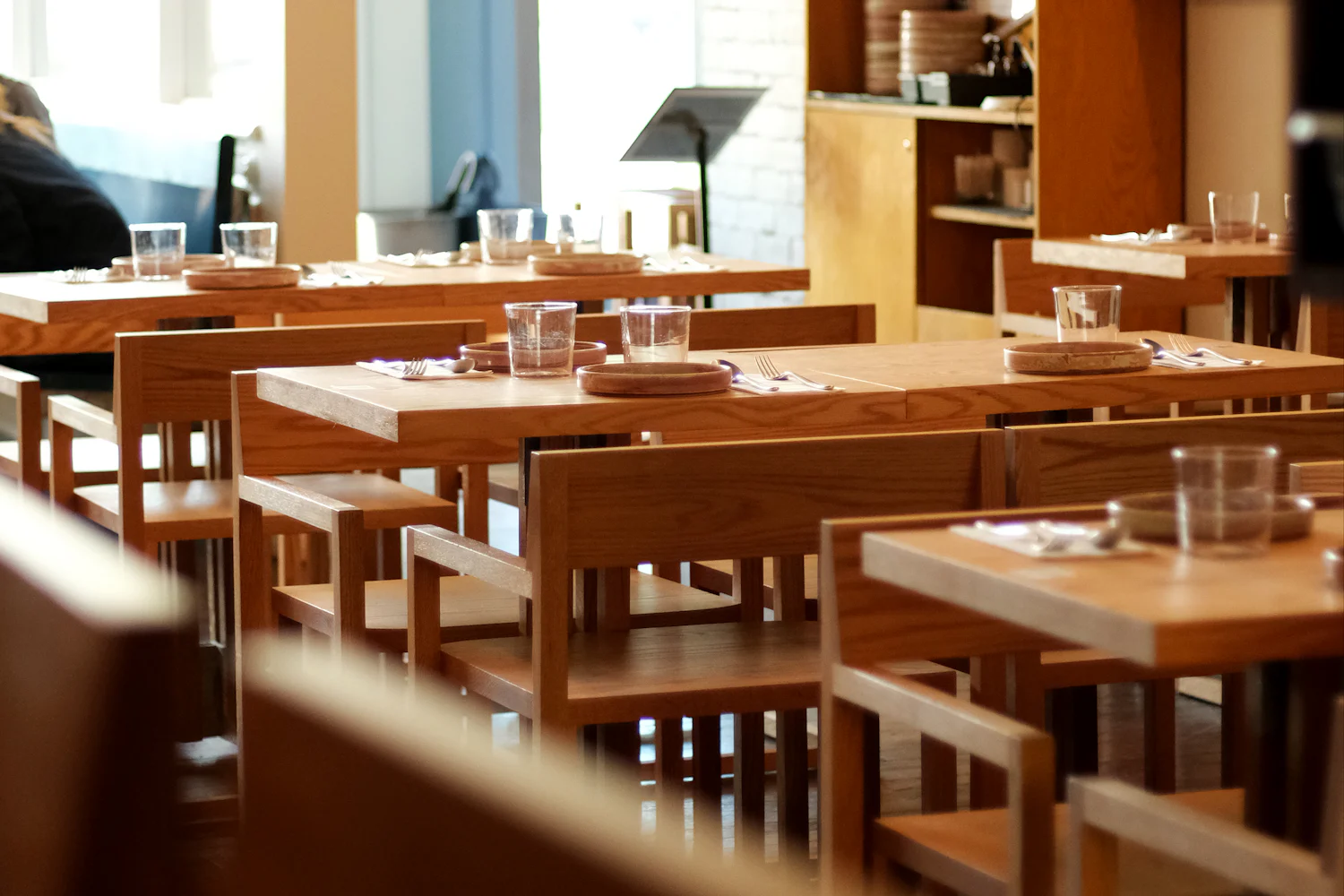
Three rules decide what lands on the bill. First, the federal Canada Revenue Agency rate table sets the GST in British Columbia at 5% as of October 2026. Second, the province's PST guidance for food and beverage service providers (dated April 2026) says food, coffee and other non-alcoholic drinks are exempt from PST, while liquor is taxed at 10% PST and pop and other sweetened carbonated drinks at 7%. Third, tipping for table service is customary, and the percentage is yours to choose.
Here is how that works on an illustrative dinner for two. The menu prices are ones we picked to show the arithmetic, not survey data: CAD 80 of food, CAD 30 of wine and a CAD 4 soda.
Two habits keep that gap under control. Order drinks deliberately, since alcohol carries the highest tax, and check what the tip is calculated on before you tap: decide whether you are tipping on the subtotal or on the total with tax, and enter your own amount if the suggested options don't match.
Labour is part of the menu price too. As of October 2026, the province's minimum wage page sets the general minimum wage at CAD 18.25 an hour from 1 June 2026, and liquor servers have been paid the same general minimum wage since 1 June 2021, with tips on top.
The downtown peninsula has the city's densest choice of restaurants and the widest spread of prices, from food courts and noodle counters to hotel dining rooms. Robson, Davie and Denman Streets in the West End are lined with casual spots, including many Japanese and Korean restaurants, and Yaletown's converted warehouses lean towards business dinners and cocktails.
In Coal Harbour, the waterfront rooms charge for the view, and the same style of meal often costs less a few blocks inland. If you live downtown, lunch is the cheaper way to try the expensive rooms: many run shorter, lower-priced lunch menus.
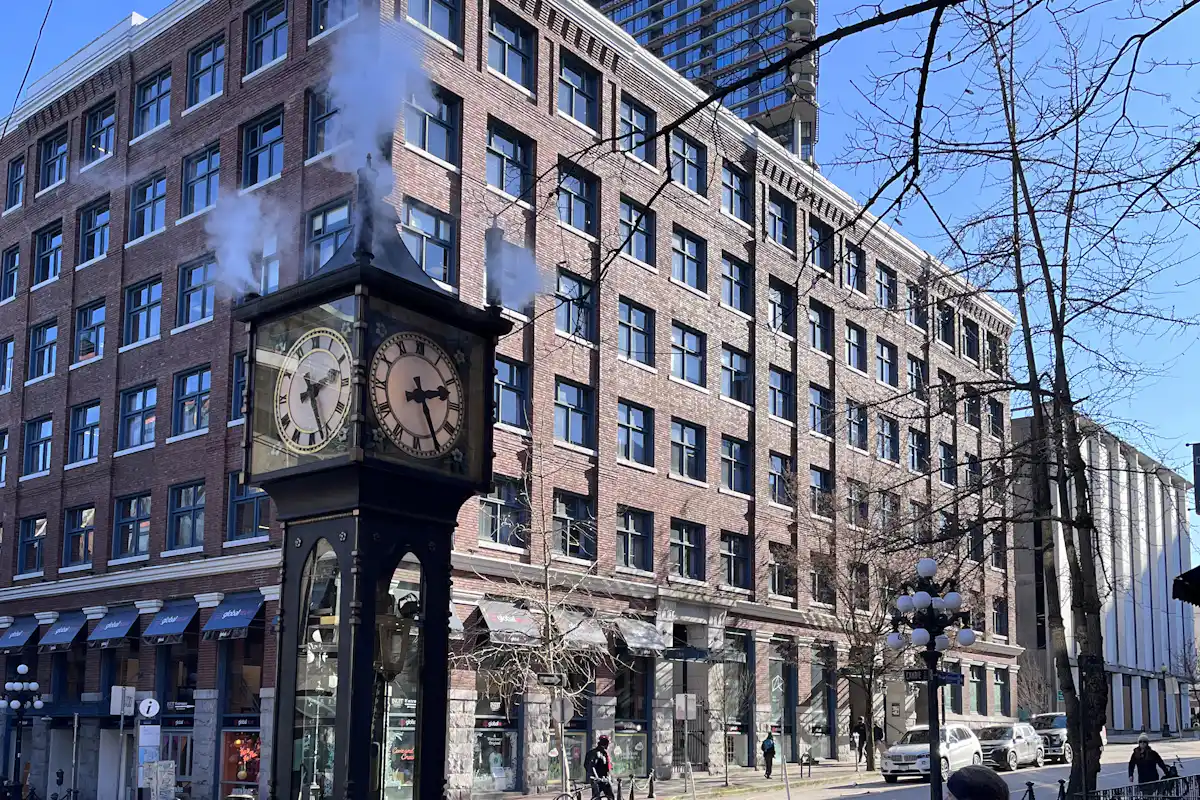
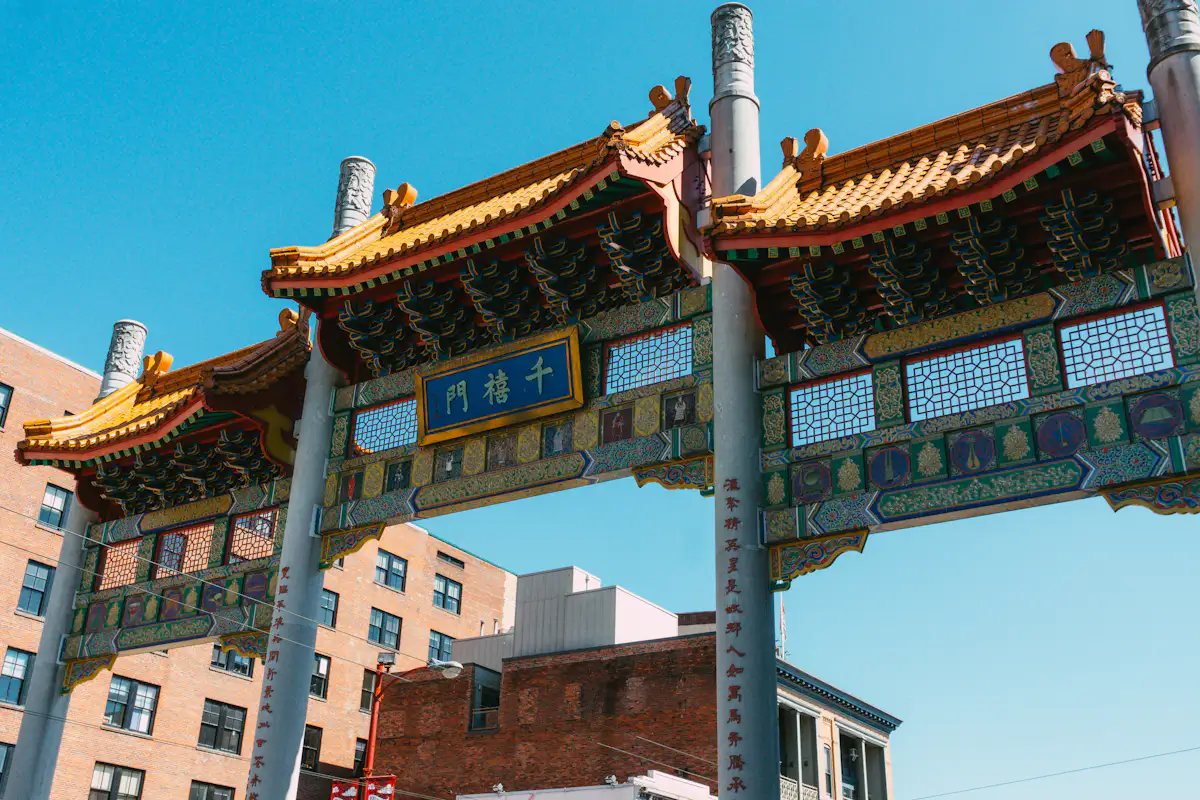
Gastown, the historic district at the north edge of downtown, is known for cocktail bars and chef-driven restaurants, and it sits at the pricier end of the city for dinner. Next door, Chinatown mixes long-running Cantonese restaurants and barbecue shops with newer bars and cafés, and weekend dim sum there is one of the more affordable ways for a family to eat out together.
We handle your MSP, SIN, housing and school search.
Kitsilano, or Kits, runs on brunch, cafés and casual dinners along West 4th Avenue and West Broadway, with plenty of vegetarian and gluten-free menus. Further west, Kerrisdale and Point Grey Village are quieter, family-oriented strips where neighbourhood restaurants serve residents rather than visitors. Sushi is everywhere on the West Side, from conveyor-belt counters to omakase, so the same craving can cost very different amounts.
Commercial Drive, known as The Drive, has a long Italian history alongside Latin American, Ethiopian and vegetarian restaurants and old-school cafés. It is one of the best streets for an inexpensive dinner in the city. Main Street through Mount Pleasant has become busier and more expensive over the years, while the side streets and areas further east, which Destination Vancouver groups as East Van, still hold Vietnamese, Filipino, Indian and Mexican family restaurants with generous portions.
Richmond, just south of Vancouver, has the region's deepest choice of Chinese and Taiwanese restaurants, from Hong Kong-style cafés to hot pot and hand-pulled noodles. You don't need a car to get there: TransLink's Canada Line runs from downtown to Richmond-Brighouse. Time it well and the trip is cheap too, because TransLink's fare rules make every trip after 6:30 PM on weekdays, and all weekend trips, a 1-Zone fare, CAD 2.85 on a Compass Card as of October 2026.
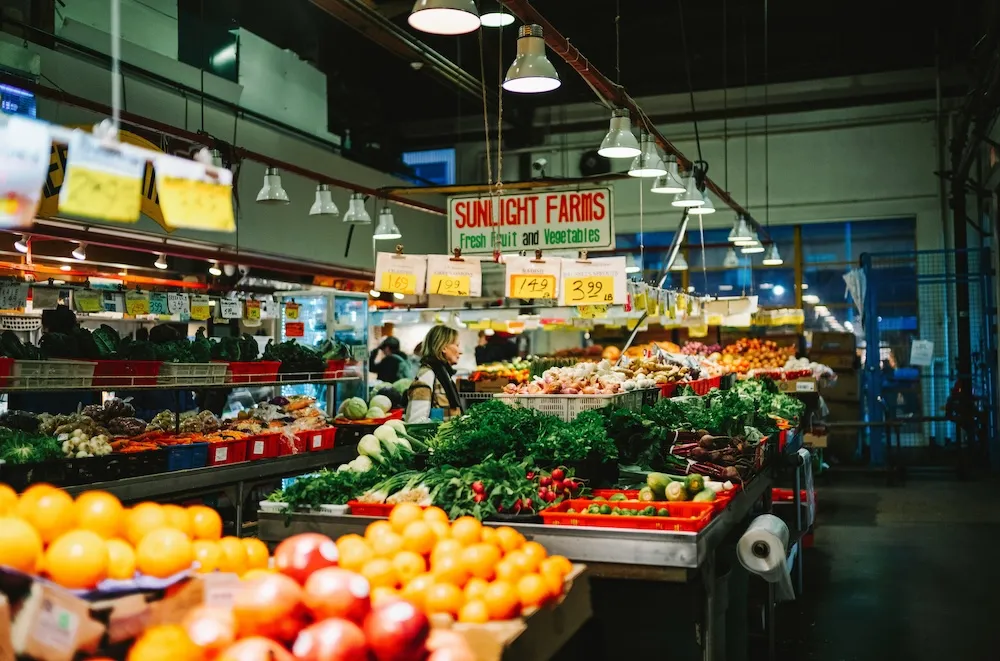
The Granville Island Public Market is good for a cheap market lunch eaten outside on the dock, and it lists its hours as 9 AM to 6 PM as of October 2026. The sit-down restaurants on the island are priced for visitors. Across the bridge, South Granville's restaurants sit among the city's more expensive dinner options, aimed at special occasions rather than weeknights.
A few habits do more than any choice of neighbourhood. Eat out at lunch when you want to try a pricier restaurant, look for happy-hour food menus in the late afternoon, and ask whether you can bring your own wine. Some licensed restaurants allow it for a corkage fee, and the same provincial PST guidance confirms that a corkage fee on your own unopened wine is not subject to PST.
The biggest saving is cooking more often at home. Our breakdown of what groceries actually cost in Vancouver prices a week's cart for two at BC averages, which makes a useful comparison with a few dinners out. If you're still deciding between cities, our Victoria versus Vancouver comparison covers how everyday costs differ across the water.
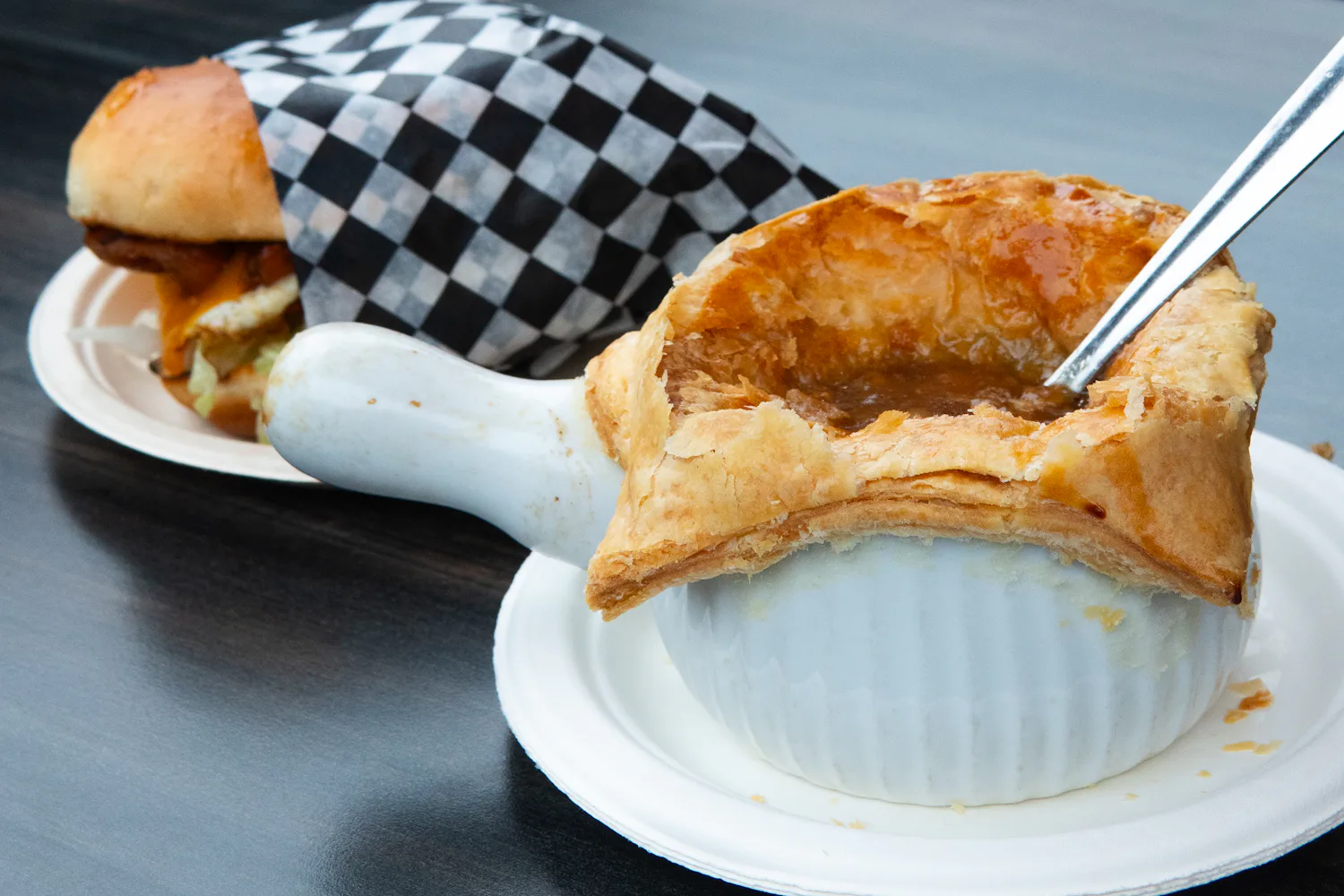
Learning which streets near your new home suit a weeknight dinner is part of our settling-in support for new Vancouver residents, and you can ask us to map out food, groceries and daily errands around the neighbourhood you're considering.

Keep reading
Related insights from our team to support your relocation journey.