BC Driver's License: What Documents You Actually Need
Getting your British Columbia driver's license is one of those essential first steps that transforms you from a visitor into a resident. Whether you're moving to Vancouver, Victoria, or anywhere else in BC, understanding the documentation requirements will save you time, frustration, and unnecessary trips to ICBC.
Here's what catches many newcomers off guard: you have 90 days from establishing residency to get your BC driver's license. This isn't 90 days from when you arrive. It's from when you're considered a resident. If you're working, enrolled in school for more than six months, or have set up a permanent home, that clock is ticking.
The good news? BC recognizes licenses from most jurisdictions, which means you likely won't need to retake road tests if you're coming from another Canadian province, the United States, or many other countries with reciprocal agreements.
The foundation of your application is proving who you are. ICBC requires one primary government-issued identity document. Your options include:
If you're using a foreign passport, make sure it clearly shows your legal entry into Canada. Border stamps matter here, and digital entry records may require additional documentation from CBSA.
This is where many people stumble. You need two documents showing your BC residential address, and ICBC is particular about what they accept. These documents must be dated within the last three months and show your current BC address:
Commonly accepted documents:
What doesn't work:
If you've just arrived and don't have two qualifying documents yet, start setting up utilities immediately. A BC Hydro account can be established within days, and your first bill becomes key proof of residency.

Bring your valid out-of-province or international license. This is non-negotiable. If your license is in a language other than English or French, you'll need a certified translation. ICBC maintains a list of approved translators, so don't just use any translation service. Your existing license determines whether you'll need to take knowledge and road tests. Licenses from Canadian provinces, US states, and certain countries including the UK, Australia, Japan, South Korea, and most European nations typically allow you to exchange without testing. However, if your license is expired by more than three years, you may need to start the graduated licensing process from the beginning.
If you're changing your name: Bring original marriage certificates, divorce decrees, or legal name change documents. ICBC won't accept copies for name changes.
If you have a medical condition: BC requires medical reports for certain conditions that might affect driving. If you've disclosed a condition in another jurisdiction, bring those records to avoid delays.
If you're under 25: You'll need additional documentation showing your graduated licensing history from your previous jurisdiction. Some provinces and states provide driving abstracts that prove you've completed equivalent programs.
Once you have your documents organized, the actual exchange process is straightforward. You'll visit an ICBC driver licensing office (not just any Autoplan broker, it must be a full licensing location). The process typically takes 30-60 minutes, depending on how busy they are. You'll complete an application form, have your photo taken, and pay the licensing fee. BC operates on a birthday-to-birthday renewal system, so your first license might be prorated. Current fees are approximately $31 for a five-year license, but verify current rates as they do change.
ICBC will keep your old license when you exchange it. This surprises some people, but it's standard practice. They'll send it to your previous licensing jurisdiction.
Let's clear up some confusion. You don't need:
These might be helpful for other aspects of settling in BC, but they won't help you at the licensing counter.
The secret to a frustration-free experience is preparation. Before you go:
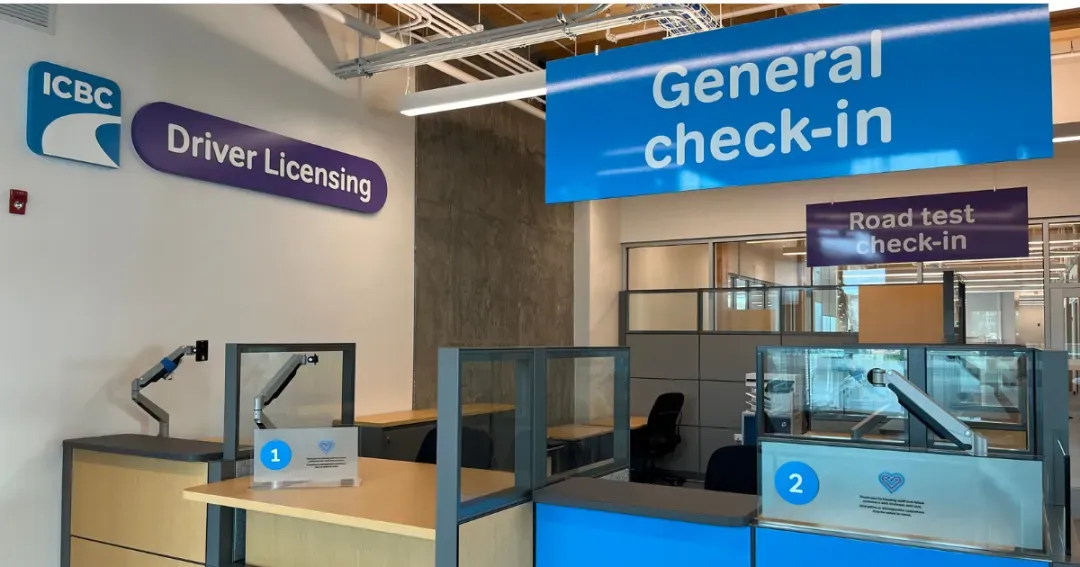
Don't panic if you arrive and realize you're missing a document. ICBC staff will tell you exactly what you need, and you can return once you have it. The 90-day clock doesn't reset, though, so don't delay too long. If you're within your first 90 days but don't yet have sufficient proof of residency, ICBC may issue a temporary license in some cases. Ask about your options. They're often more flexible than you might expect.
Getting your BC driver's license is more than just a legal requirement. It's your gateway to full participation in West Coast life. With these documents ready, you'll join the thousands of newcomers who successfully make this transition each year. Remember, organization is the key. Gather your identity document, two proofs of residence, and your current license before you go. Do this, and you'll walk out with your new BC license in hand, ready to explore everything British Columbia has to offer.
Need help coordinating your move to BC? Pacific Relocation specializes in making these transitions smooth. From documentation assistance to finding your perfect neighborhood, we're here to help you settle into West Coast life.

Keep reading
Related insights from our team to support your relocation journey.