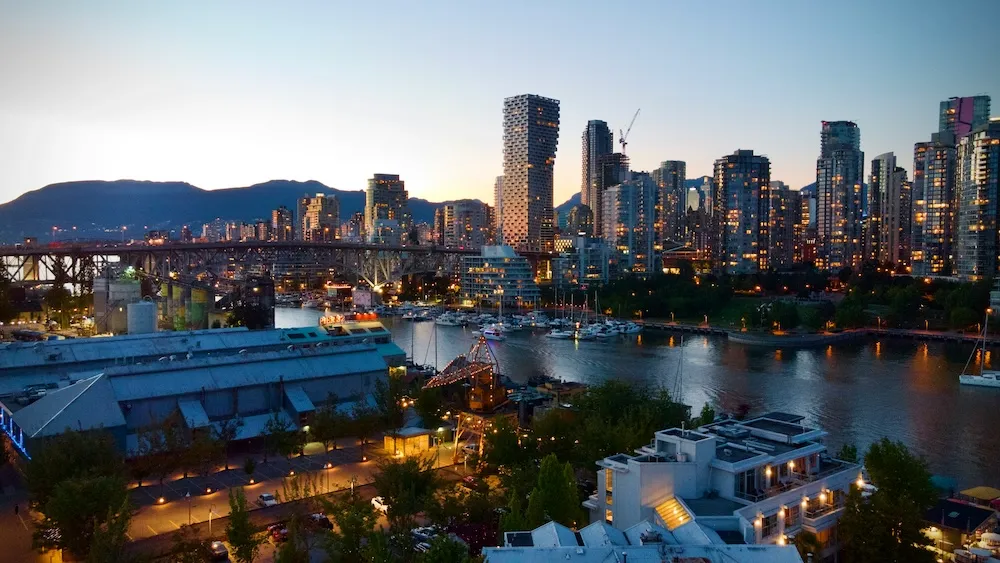
Car-Free Living: Is It Realistic in Vancouver?
For many newcomers to Vancouver, the question of whether to own a car sits at the top of their relocation checklist. Unlike most North American cities, where car ownership feels almost mandatory, Vancouver presents a genuinely viable alternative. But is going car-free truly realistic, or just an idealistic notion that crumbles under the weight of daily life?
The answer depends on where you live, how you work, and what lifestyle you're after. Let's break down what car-free living actually looks like in Vancouver.
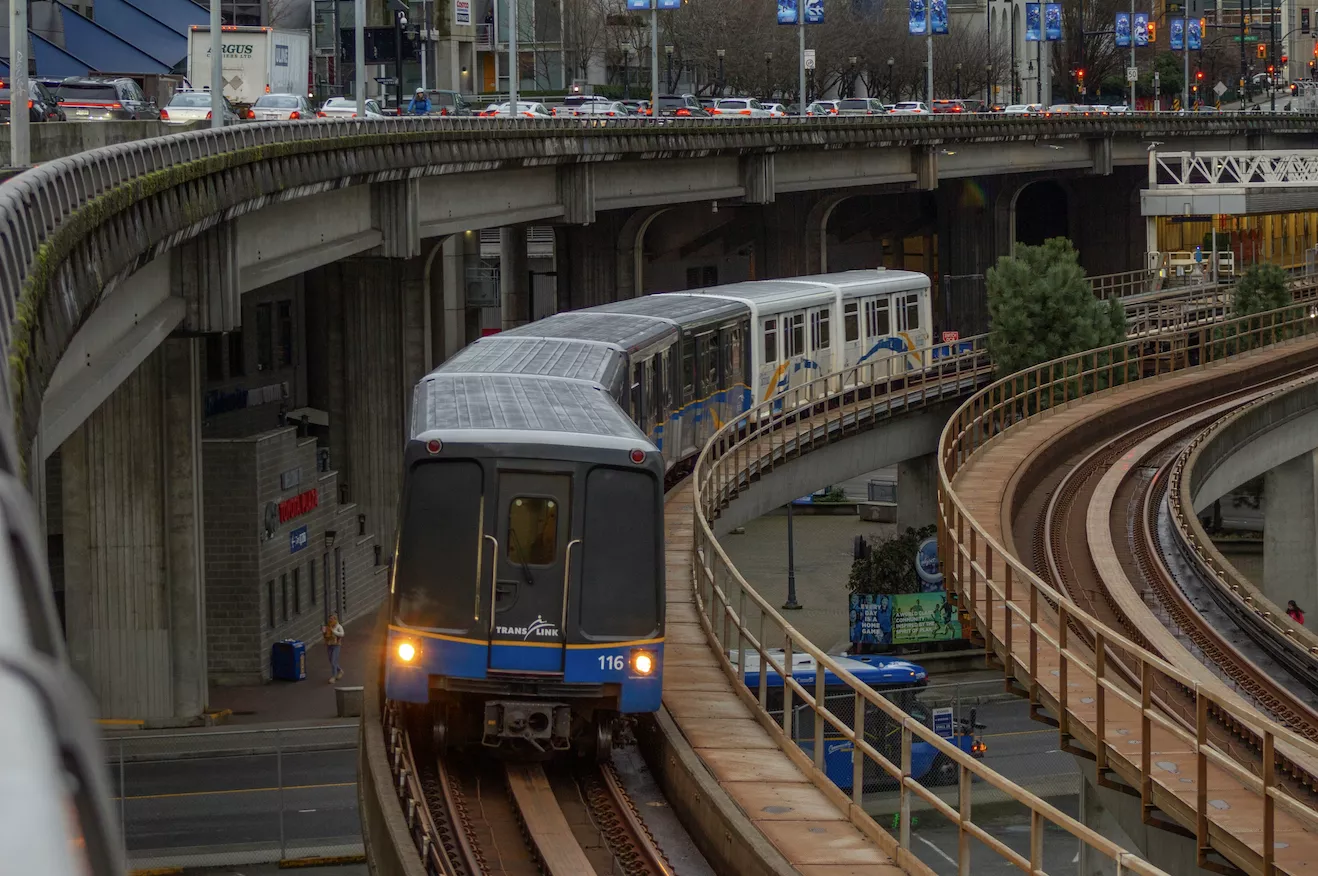
Vancouver's public transit system, operated by TransLink, covers an impressive expanse of Metro Vancouver. The backbone is the SkyTrain, an automated rapid transit system with three lines that connect downtown Vancouver to Richmond, Burnaby, New Westminster, Surrey, and Coquitlam. During peak hours, trains arrive every 3-5 minutes, making spontaneous travel genuinely convenient.
The bus network fills the gaps with over 200 routes, including specialized services like the 99 B-Line that runs every few minutes along Broadway. Night buses keep key routes running after the SkyTrain shuts down around 1 AM on weekdays. SeaBus, the passenger ferry connecting downtown Vancouver to North Vancouver, runs every 15 minutes and offers stunning views as a bonus to your commute. It's functional transportation that happens to feel like a mini-cruise.
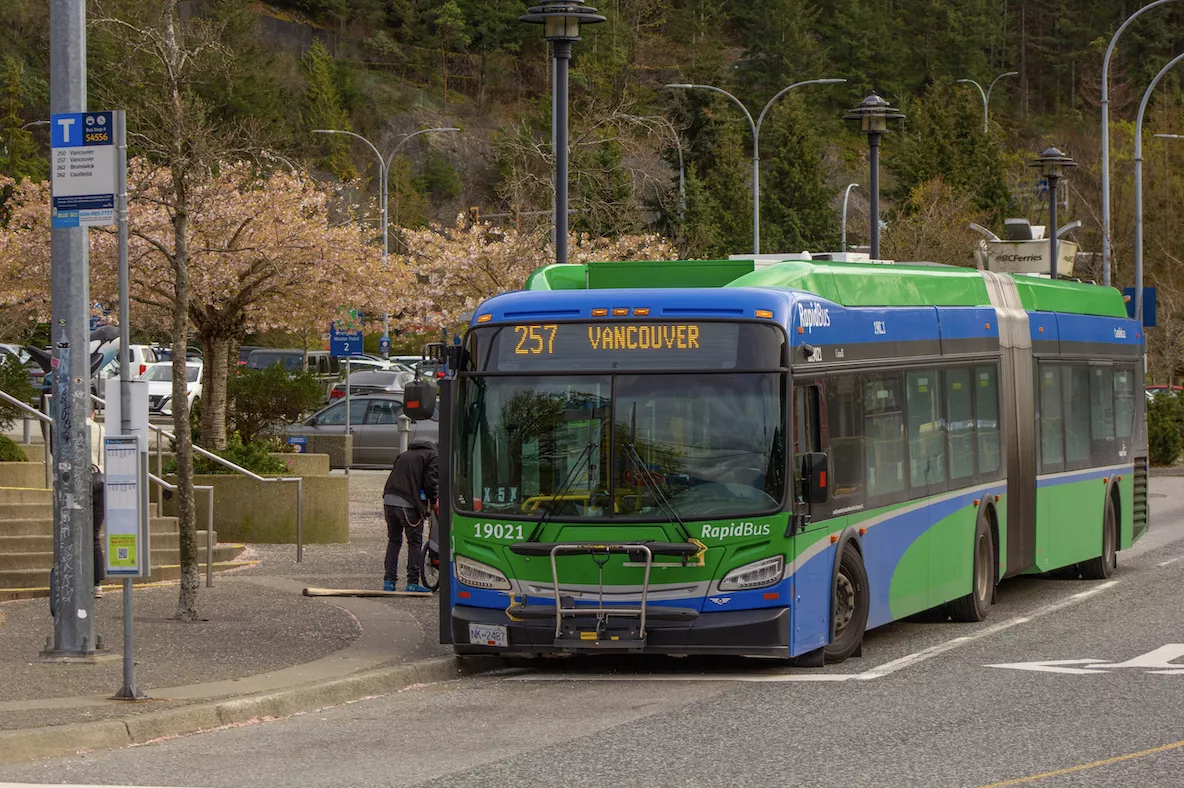
Your ability to live car-free hinges dramatically on neighborhood choice. Some areas make it effortless; others make it frustrating. Downtown Vancouver, the West End, and Yaletown are car-free havens. Grocery stores, restaurants, gyms, and entertainment cluster within walking distance. SkyTrain and bus stops appear every few blocks. Many residents here view car ownership as an unnecessary expense and hassle.
Mount Pleasant, Commercial Drive, and Kitsilano offer excellent walkability with neighborhood grocers, cafes, and shops alongside solid transit connections. You can handle most daily needs on foot and use transit for longer trips. East Vancouver neighborhoods like Hastings-Sunrise and Renfrew-Collingwood provide decent transit access but require more planning. Amenities are spread out more, and you'll depend heavily on buses rather than rapid transit.
The further you venture into suburbs like Surrey, Langley, or parts of Coquitlam, the more challenging car-free living becomes. While the SkyTrain has expanded significantly, these areas were designed around automobile use. Grocery runs and errands become time-consuming odysseys.
Here's where car-free living shows its financial appeal. In early 2025, a monthly transit pass (Compass Card) for two zones costs $149.25, while a three-zone pass costs $201.55. An annual pass offers even better value. Compare this to car ownership: insurance alone in British Columbia typically runs $1,500-$2,500 annually for new drivers, significantly more than most provinces due to BC's public insurance system. Add gas, parking (easily $150-300 monthly in downtown buildings), maintenance, and the vehicle itself, and car ownership easily costs $8,000-12,000 yearly.
For occasional car needs, Vancouver offers abundant car-sharing services. Evo and Modo provide by-the-minute rentals parked throughout the city. You unlock them with an app, drive where you need to go, and leave them in designated zones. For a weekend Costco run or IKEA trip, this costs $24-30, compared to the cost of maintaining a vehicle year-round.
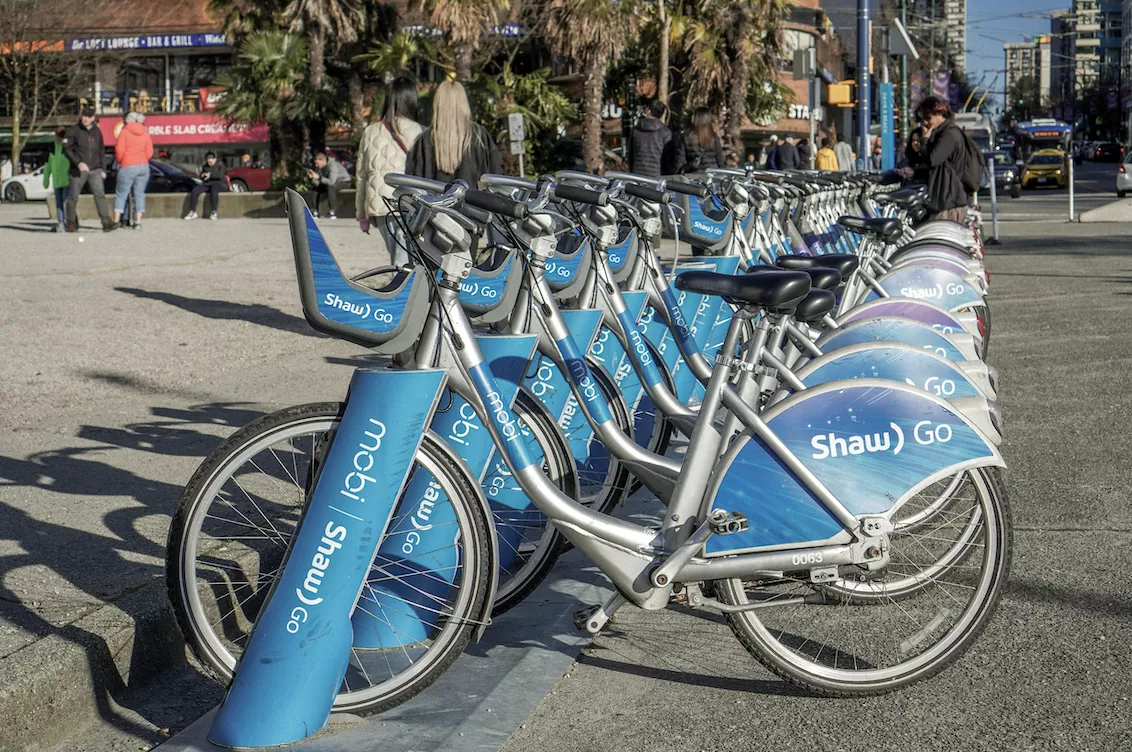
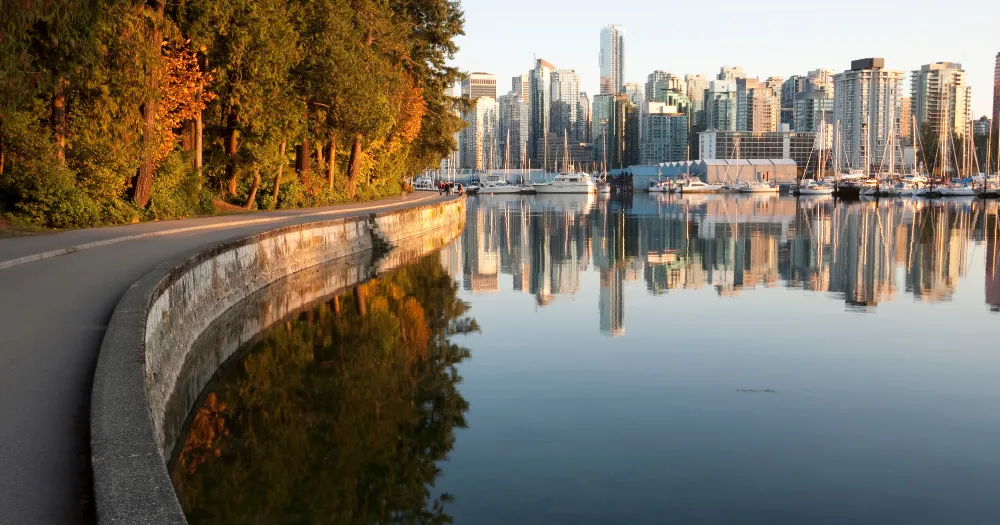
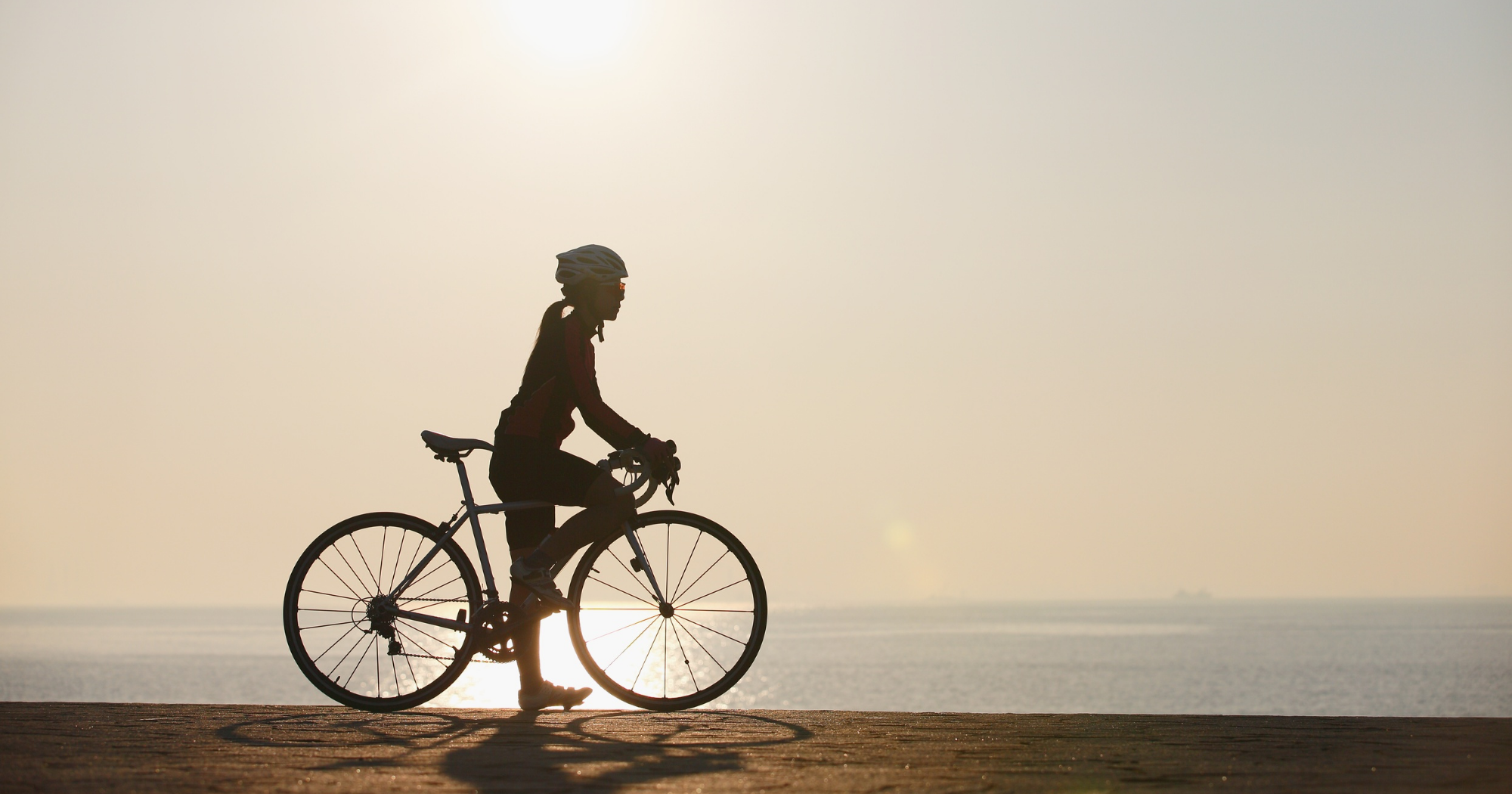
Vancouver's relatively mild winters (rarely dropping below freezing) make year-round cycling surprisingly feasible. The city has invested heavily in protected bike lanes, with the seawall offering 28 kilometers of car-free cycling around Stanley Park and False Creek.
Protected bike lanes now connect major corridors like Burrard Street, Hornby Street, and Ontario Street. E-bikes have exploded in popularity, making hills and longer distances manageable for riders of all fitness levels. Mobi, Vancouver's bike-share system, provides another option with stations throughout the city core. For those committed to cycling, storing your own bike (including e-bikes) often proves more economical and convenient.
Let's address Vancouver's elephant in the room: rain. From October through April, rain becomes your frequent companion. This doesn't make car-free living impossible, but it requires adjustment. Invest in quality rain gear. Locals don't use umbrellas as much as visitors expect. A good waterproof jacket with a hood proves more practical for walking and cycling. Layering becomes essential as you move between heated buildings and damp outdoor air.
Transit shelters at major stops protect you from the worst downpours, and buses run frequently enough that you're rarely waiting long in the rain. Most locals find that rain is more of a nuisance than a dealbreaker once you accept it as part of life here.
Car-free living works beautifully for daily routines, but faces challenges in specific situations:
Grocery shopping for families requires strategy. Smaller, frequent trips replace bulk shopping, or you schedule delivery services. Many car-free households rely on services like Save-On-Foods delivery or use car-sharing for monthly Costco runs.
Outdoor recreation beyond city limits becomes trickier. Whistler, hiking trailheads, and remote beaches typically require vehicle access. Some trails offer shuttle services in summer, and carpooling with friends fills in the gaps, but spontaneous mountain adventures are less frequent.
Kids and activities add complexity. Transiting with strollers works fine on buses and SkyTrains (which offer dedicated spaces), but hauling multiple kids to different activities across the city tests patience. Many families go car-free until kids hit the activity-heavy years, then reassess.
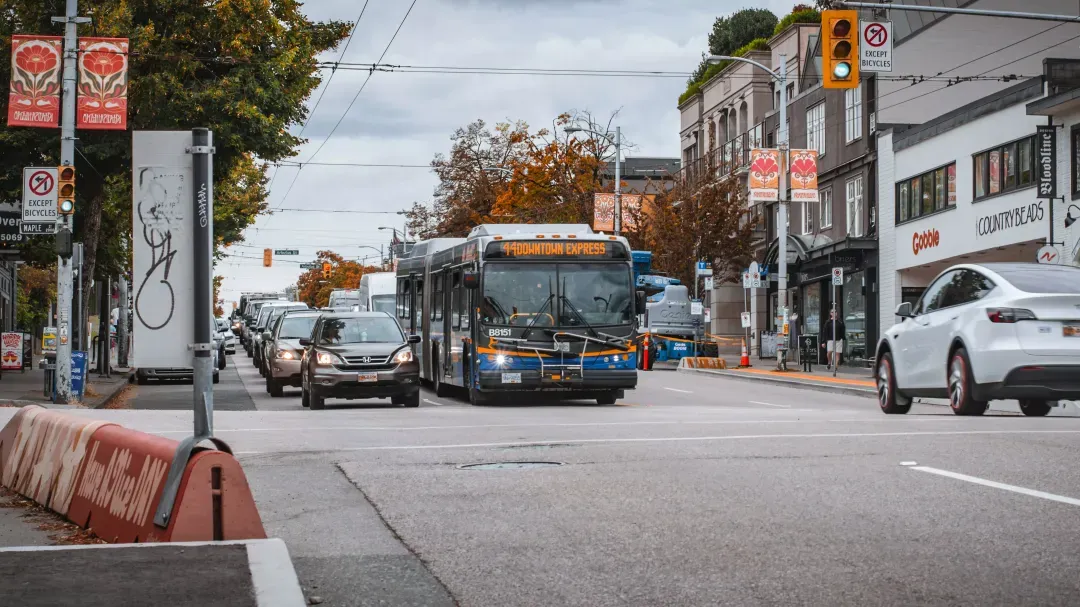
Car-free living in Vancouver is not only realistic. For many residents, it's preferable. The combination of reliable transit, walkable neighborhoods, cycling infrastructure, and car-sharing options creates a genuinely functional alternative to ownership. Success requires choosing your neighborhood strategically, embracing the occasional rainy commute, and adjusting expectations around spontaneity for out-of-city adventures. But in return, you'll save thousands annually, reduce stress around parking and traffic, get more exercise, and live more sustainably.
For newcomers relocating to Vancouver, consider starting car-free for your first six months. You'll quickly learn whether it suits your lifestyle, and you can constantly adjust later. Most people discover that once they've adapted to a car-free life, they never want to go back. Welcome to a city where ditching your car isn't a sacrifice. It's an upgrade.
Ready to settle in? At Pacific Relocation, we help newcomers work through these decisions with local expertise and on-the-ground knowledge. Your ideal neighborhood isn't just about minutes on transit, it's about finding where your new West Coast life will thrive.

Keep reading
Related insights from our team to support your relocation journey.