
Daycare Waitlists in the Seattle Region: When to Get On Them

For many King County parents, the first daycare waitlist came months before the moving truck was booked. Newcomers hear this and assume it is exaggeration, then discover in their first weeks that infant rooms across Seattle, Bellevue and Redmond already carry wait times stretching past a year. The City of Seattle's own analysis, Understanding the True Cost of Child Care in the City of Seattle and King County, put licensed infant care in the region at up to $30,000 USD a year, and that number has only climbed since.
Washington has no equivalent of British Columbia's flat-rate daycare program, so here price is as much the obstacle as a spot on a list.
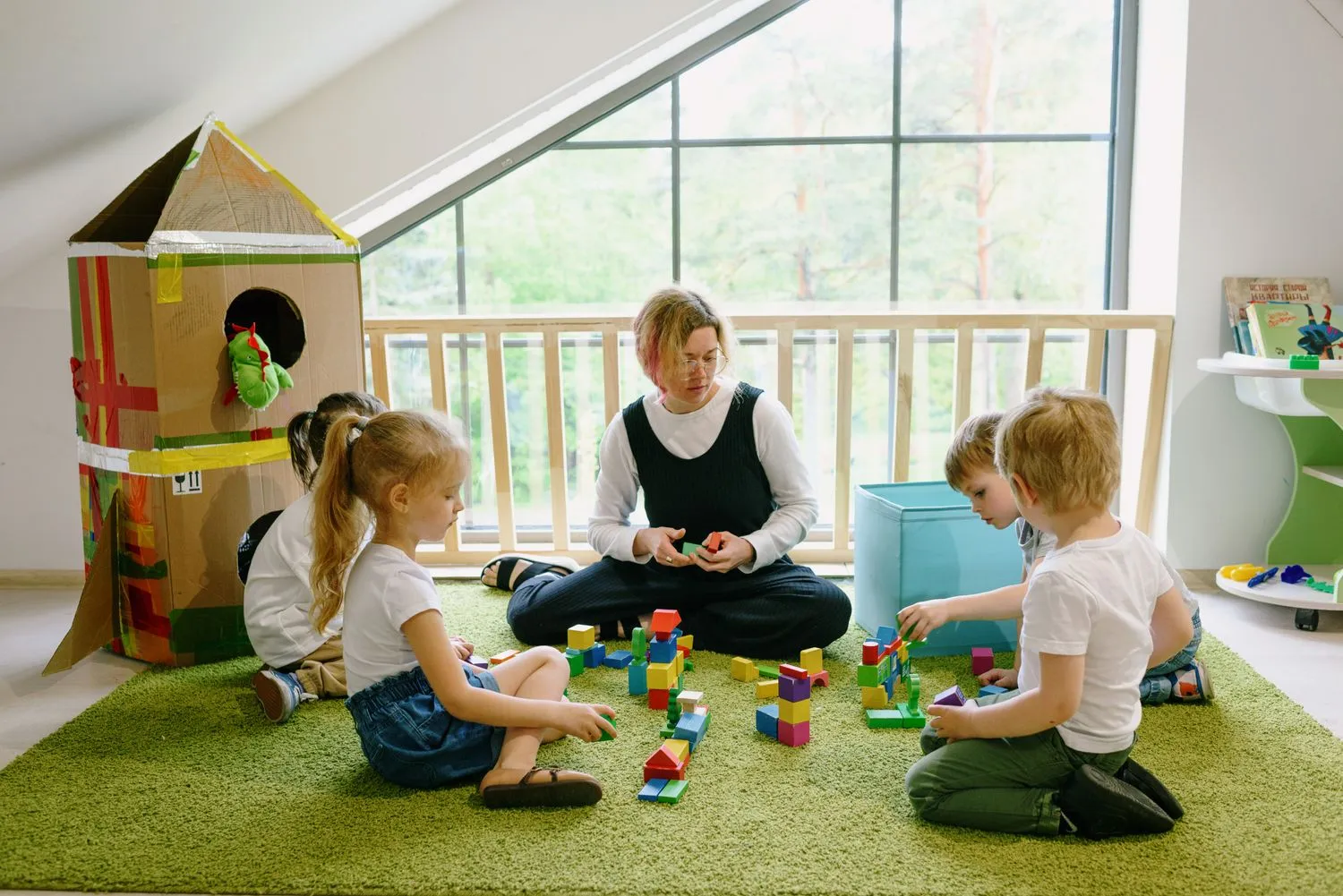
Like most states, Washington leaves waitlists to individual providers. The Department of Children, Youth, and Families (DCYF) licenses programs and sets safety rules, but it does not run a registry or referee who gets the next opening. Position on a list is set by the date you called, not by your moving date or how urgent your need is.
That is why the standard advice sounds aggressive: register with every provider you would consider as soon as a Seattle-area move becomes likely, before you have an address or a signed lease. King County had roughly 88,900 licensed child care seats for more than 120,000 children under five, according to Child Care Aware of Washington, and demand is not spread evenly. Infant rooms in Bellevue and Redmond, anchored by the region's large tech employers and their dual-income households, tend to fill first and stay full. Neighborhood-level research from Shortlist found several Seattle neighborhoods filling just as fast, simply because there are fewer spaces per family with young children.
Washington's child care costs rank among the highest in the country, behind only a handful of states, according to Child Care Aware of America's national price of care report. Based on DCYF's licensed center base rate table effective July 2026 and its county-to-region map, cross-checked against Seattle's own cost brief and reporting from Axios Seattle and Seattle's Child, expect monthly full-time fees as of September 2026 roughly in these bands:
Every region shows the same pattern: preschool-age care runs 25 to 30 percent cheaper than infant care, since older children need fewer staff per adult under the state's ratio rules. That drop matters when you are budgeting a second child, since you rarely pay two infant rates for long.
If you are weighing this move against one across the border, compare the two carefully. A King County infant space runs $2,700 to $3,000 USD a month. Our companion piece on daycare waitlists in the Vancouver region reports BC fees per day and in CAD, so putting the two side by side means converting the currency (and the daily fee to a monthly one) first. A family moving the other direction, from Seattle to Vancouver, should expect a smaller number on the invoice, but a wait that can run well past a year for the cheapest placements, so the same start-early rule applies on that side of the border.

We handle your license, bank account, SSN and housing.
DCYF licenses several categories of care, and knowing which one you are calling changes what to expect. Under WAC 110-300, a Family Home program operates from a provider's residence for 12 or fewer children from birth to age 13, while a Child Care Center program serves larger groups in a dedicated facility. Separate rules cover school-age-only programs and outdoor nature-based programs, both growing around Seattle.
A license guarantees a baseline: background-checked staff, health and safety standards, and set staffing ratios, nothing more. Quality above that baseline is tracked through Early Achievers, the state's five-level rating system. Any provider accepting Working Connections Child Care subsidy payments must enroll within 30 days of its first payment and reach Level 3 or higher within 30 months, with a short remedial window before it loses subsidy eligibility, per DCYF. That makes a center's current rating a useful tie-breaker between two waitlisted centers.
Before committing to any list, run the address through DCYF's Child Care Check tool, which shows a provider's current license status and inspection history.
Washington has no flat-rate program like BC's, but several channels reduce what a family actually pays.
There is no single Puget Sound registry to sign up for once and forget. Start with DCYF's Find Child Care tool and a call to Child Care Aware of Washington at 1-800-446-1114, which gives free referrals to licensed providers and can point you toward openings that were never advertised.
On Puget Sound lists, these practices make the most difference:
Keeping registrations, tours and deposits current across several cities from out of town, on top of a full-time job, takes steady weekly follow-up, which our settling-in support can take on.
Once you are pricing two children into infant and toddler rooms, a nanny starts to look competitive rather than indulgent. ParentMap's March 2026 roundup, citing staffing firm Crunch Care, puts Greater Seattle nanny rates at $32 to $45 USD an hour, comparable to New York and San Francisco. A nanny share between two families splits both the cost and the caregiver's attention.
Hiring a nanny directly makes you a household employer, with real federal obligations. Pay one worker $3,000 USD or more in cash wages in 2026 and you must withhold and pay Social Security and Medicare tax, file Schedule H with your federal return, and issue a W-2, not a 1099. Paying $1,000 USD or more in total cash wages to household employees in any calendar quarter of 2025 or 2026 also triggers federal unemployment tax, per IRS Publication 926. Social Security's wage base changes most years, with Washington layering its own state unemployment and workers' compensation rules on top. Pacific Relocation does not advise on this directly; a household payroll service or a CPA familiar with domestic employment can set it up, and it is easier to set up correctly at the start than to fix later.
Most families arrive before a licensed spot opens, and three options cover that wait in the Seattle area.

Here is how the calls and applications line up against your move:
Each step is simple on its own. The difficulty is running them at the same time as a housing search, a new job and sorting out your family's coverage (our guide to health insurance options in Washington State covers that part), so the first daycare calls belong in the same week you decide to move.
This week, put your name down with centers in Seattle, Bellevue and Redmond, even before you have a Washington address. Our settling-in team can keep those registrations, tours and weekly check-ins moving while you handle the rest of the move, so talk to us about starting your Seattle daycare calls before you arrive.

Keep reading
Related insights from our team to support your relocation journey.