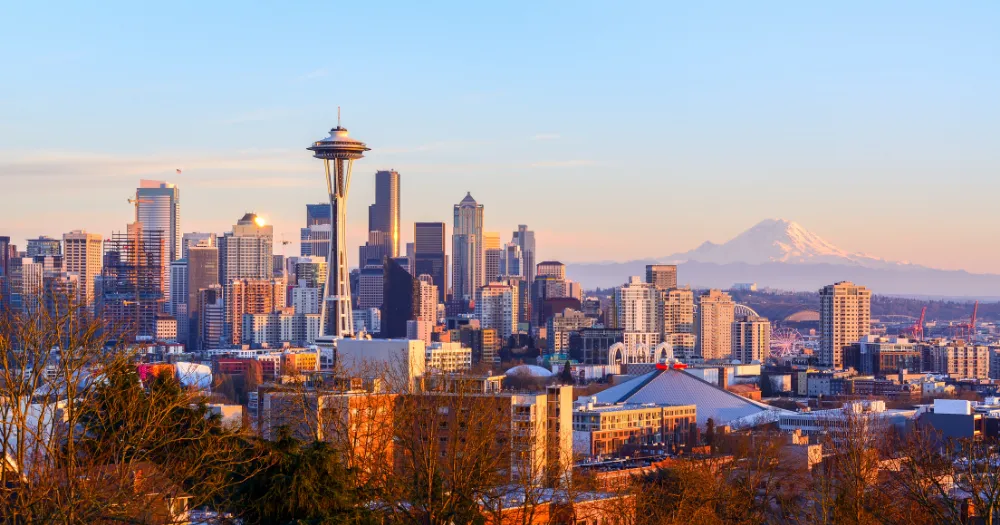
Choosing Your Seattle Neighborhood by Commute Time
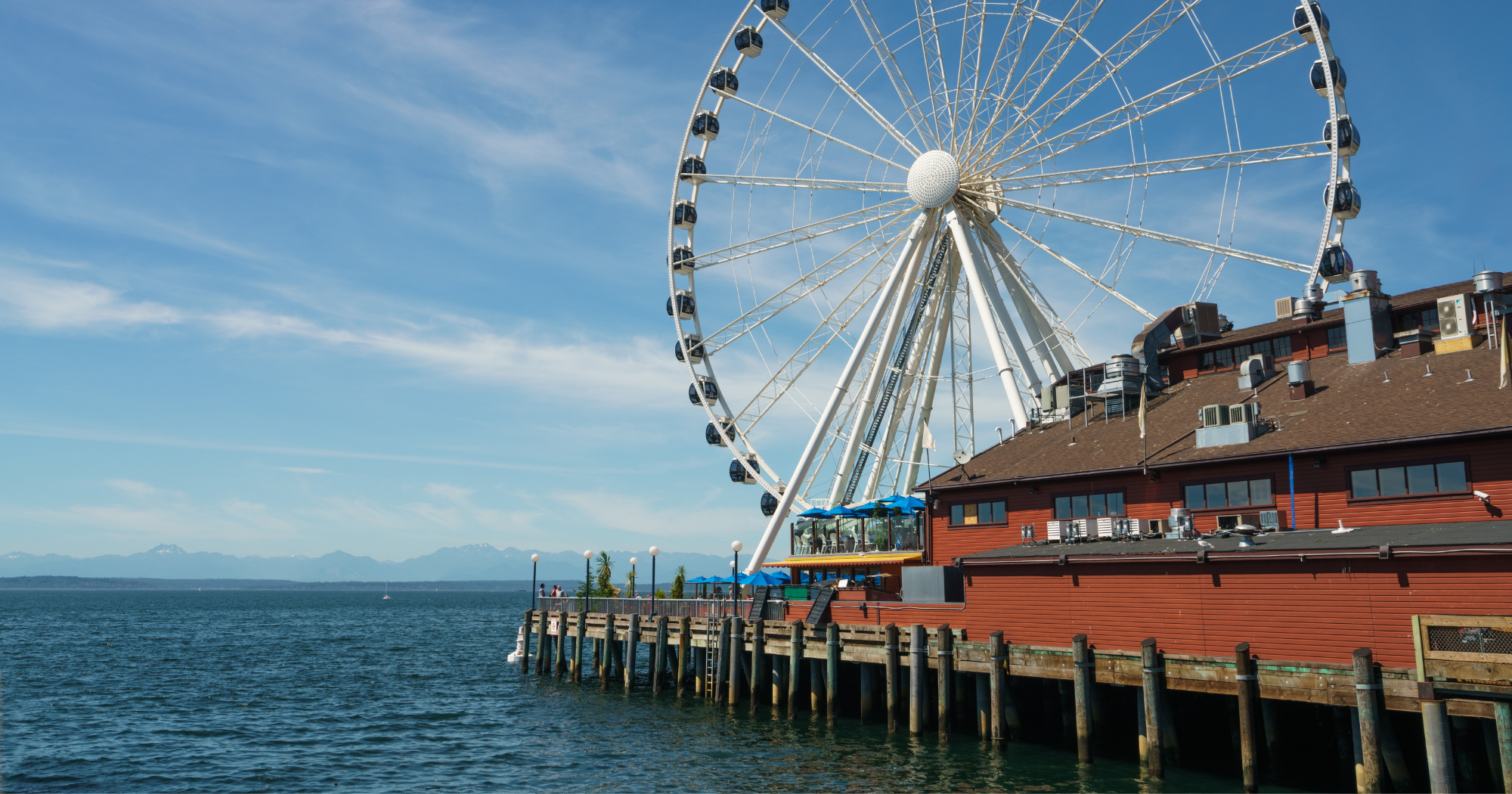
Seattle's geography makes commute time one of the most critical factors when choosing where to live. Unlike cities with predictable grid patterns, Seattle is carved up by bodies of water, steep hills, and limited bridge crossings that can turn a five-mile commute into a 45-minute ordeal during rush hour. Understanding how traffic patterns, transit options, and neighborhood locations interact will help you find the right balance between your daily commute and your lifestyle preferences.
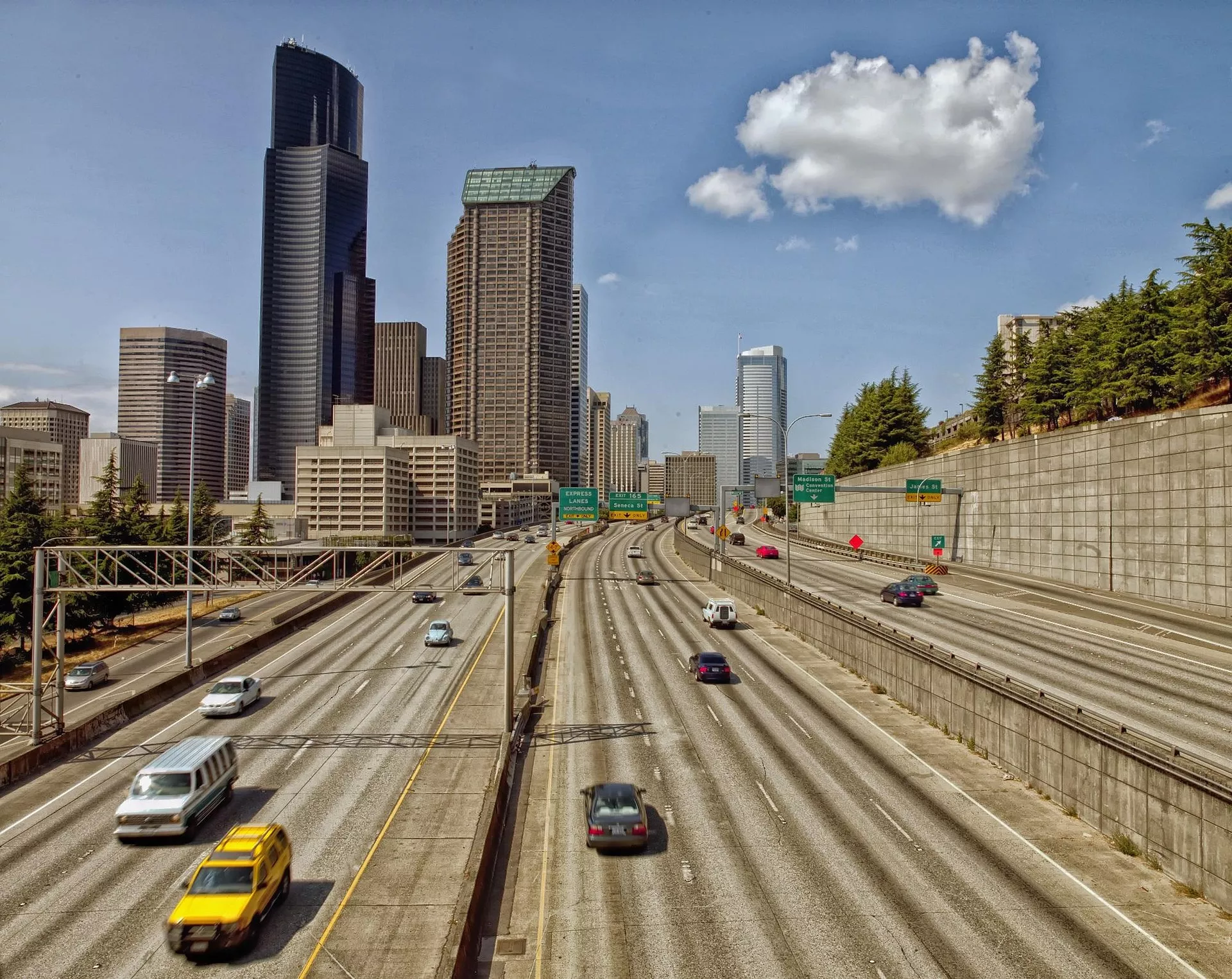
Traffic congestion peaks between 7-9 AM and 4-7 PM, and the situation becomes even more challenging during rainy months when accidents increase. The city's major corridors (I-5, I-90, SR 520, and Highway 99) regularly experience significant delays. What looks like a 15-minute drive on a map can easily become 45 minutes during peak hours.
The key to managing your commute is understanding that Seattle has distinct commute corridors, and choosing a neighborhood along the same corridor as your workplace makes a huge difference. Living north of downtown and commuting south is vastly different from living east and crossing Lake Washington daily.
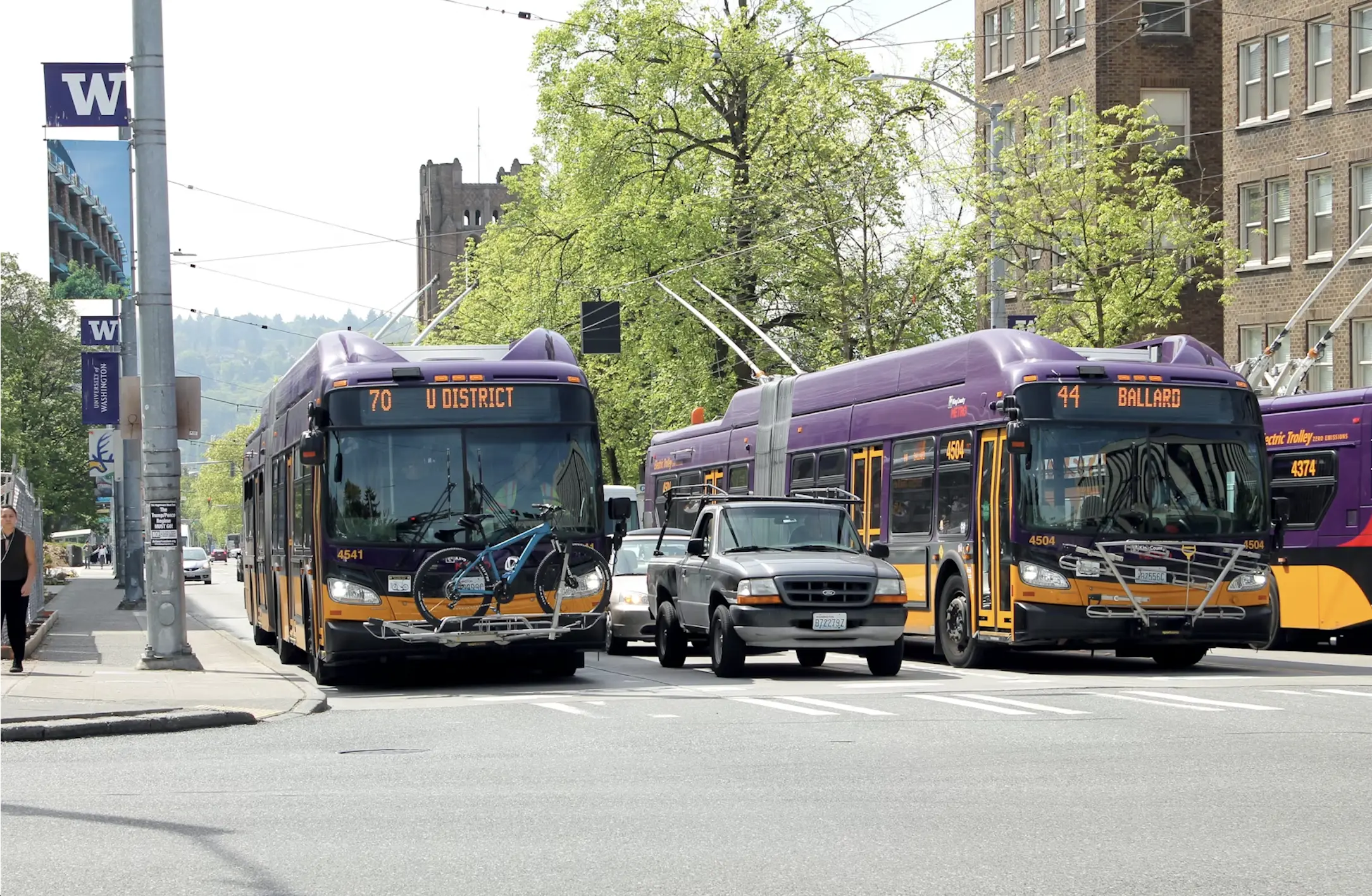
If you're working in downtown Seattle or the booming South Lake Union tech corridor, you have excellent neighborhood options across multiple price points and lifestyles.
Capitol Hill is a 10-15-minute commute by light rail or bus, putting you in one of Seattle's most vibrant neighborhoods. You'll find walkable streets lined with independent coffee shops, restaurants, and nightlife, plus the cultural draw of volunteer parks and historic architecture. The area attracts young professionals and creative types who value urban energy.
Queen Anne sits just north of downtown with similar commute times. Lower Queen Anne provides urban density and proximity to Seattle Center, while Upper Queen Anne offers quieter residential streets with stunning views. Both areas are easily accessible to downtown via frequent King County Metro bus service.
For those seeking more affordable options without sacrificing convenience, consider Columbia City or Beacon Hill. Both neighborhoods have light rail stations providing 20-25 minute commutes to downtown, and they offer diverse communities, lower housing costs, and emerging restaurant scenes that give you more space for your money.
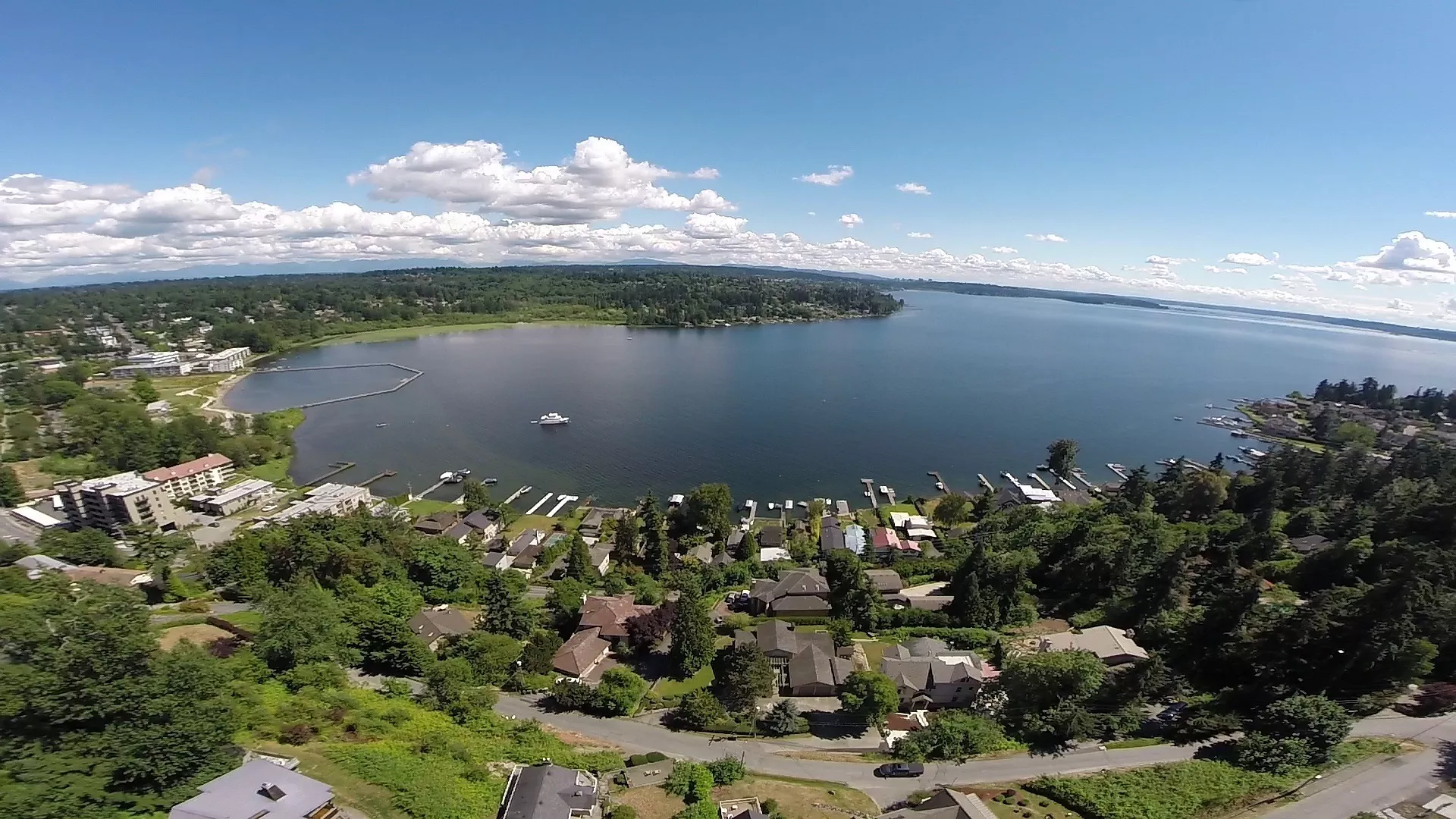
The Eastside has become Seattle's second major employment hub, with Microsoft, Amazon offices, and numerous tech companies creating significant job centers. Crossing Lake Washington adds substantial commute time, so living on the correct side of the water matters tremendously.
If you work on the Eastside, living in Bellevue, Redmond, or Kirkland keeps your commute manageable at 15-30 minutes, depending on your specific location. These neighborhoods offer excellent schools, newer housing, and suburban amenities with urban conveniences. Downtown Bellevue has evolved into a sophisticated urban center with high-rise living, while Redmond and Kirkland provide more traditional suburban neighborhoods with parks and family-friendly environments.
For those who prefer Seattle's urban character but work on the Eastside, Montlake or Madison Park position you closest to the SR 520 bridge, reducing your cross-lake commute to 25-35 minutes in regular traffic. These established neighborhoods offer beautiful homes, waterfront access, and a more residential feel while keeping you in Seattle proper.
Avoid living in North Seattle neighborhoods like Ballard or Greenwood if you work on the Eastside. Your commute will require either battling through downtown congestion or taking a lengthy northern route, potentially adding 30-45 minutes to your daily travel time.
Fremont, Wallingford, and Green Lake serve as excellent middle-ground neighborhoods for those working in various parts of the city. These areas provide 20-30 minute commutes to downtown via Aurora Avenue or I-5, reasonable access to the Eastside via SR 520, and proximity to the University District. These neighborhoods attract families and professionals seeking walkable communities with local character. Each has a distinct village center with shops and restaurants, good parks, and established residential streets with a mix of housing types from apartments to single-family homes.
Georgetown, Columbia City, and Rainier Valley have become increasingly popular as housing costs have risen elsewhere. The light rail provides reliable 25-35-minute commutes to downtown and continues south to the airport, making these neighborhoods practical for frequent travelers. These areas offer the most housing diversity in Seattle, with authentic international cuisine reflecting their multicultural communities and housing costs that allow for more space and potentially homeownership opportunities that feel out of reach in central neighborhoods.
Consider where you'd position yourself if you work south of Seattle in places like Tukwila, SeaTac, or Renton. Living in Georgetown, Beacon Hill, or Columbia City puts you in a reverse-commute situation where traffic flows in the opposite direction of the main congestion, potentially giving you 20-minute commutes. At the same time, your neighbors spend 45 minutes heading downtown.
If you work remotely or have a hybrid schedule with just 2-3 office days per week, you can afford to prioritize neighborhood character over commute convenience. Ballard, West Seattle, and other areas with longer commutes become viable when you're only making the trip occasionally. This flexibility opens up neighborhoods with stronger community feelings, better outdoor access, or more affordable housing.
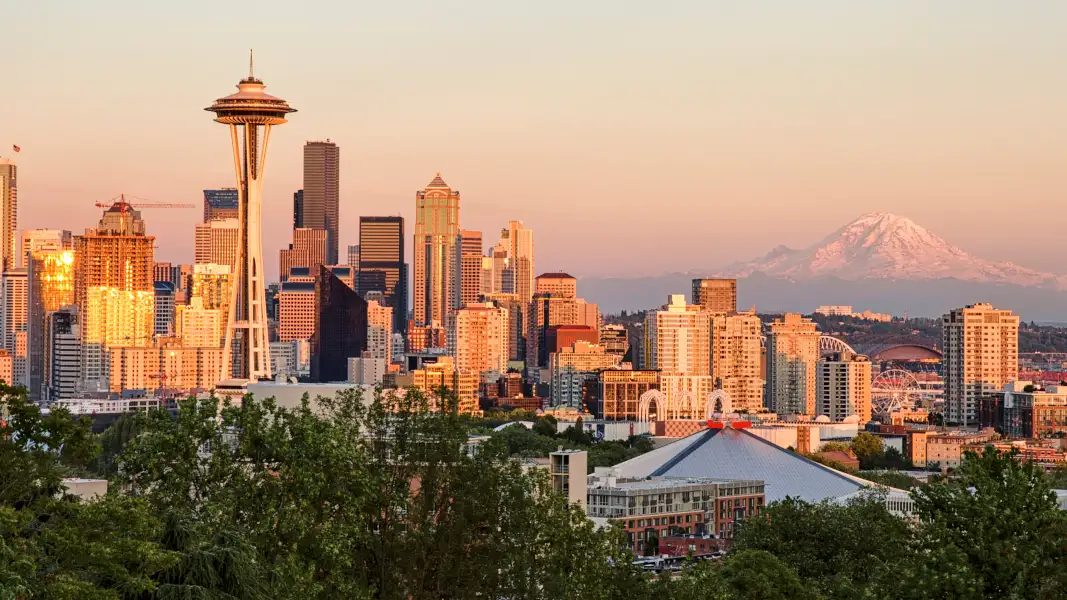
Your ideal Seattle neighborhood balances practical commuting with a lifestyle that suits you. Start by mapping your workplace and identifying which corridors provide the most direct access. Then explore neighborhoods along those corridors that match your budget, preferred atmosphere, and housing needs.
Test your commute during actual rush hour before committing to a neighborhood. Drive or take transit during the times you'd actually be traveling. A Tuesday at 8 AM tells you far more than a Sunday afternoon. Many newcomers underestimate Seattle's traffic challenges and later regret choosing a neighborhood based solely on off-peak travel times.
Remember that Seattle's commute patterns continue evolving. The light rail expansion is adding new stations that will shift neighborhood accessibility, and remote work trends have somewhat reduced peak congestion from pre-2020 levels, though traffic remains significant.
Ready to settle in? Contact us at Pacific Relocation today, because choosing your Seattle neighborhood based on commute time isn't about finding the absolute shortest distance to your office. It's about understanding the city's unique geography and transportation network to find a sustainable daily routine that leaves you time and energy to enjoy everything the Pacific Northwest offers. We're here to help you with it.

Keep reading
Related insights from our team to support your relocation journey.
.webp)