Average Commute Times from 5 Popular Seattle Suburbs
When relocating to the Seattle area, understanding commute times is essential for choosing the right neighborhood. The Pacific Northwest lifestyle values work-life balance, and your daily commute plays a significant role in achieving that balance. We've analyzed five of the most popular Seattle suburbs to help you make an informed decision about where to call home.
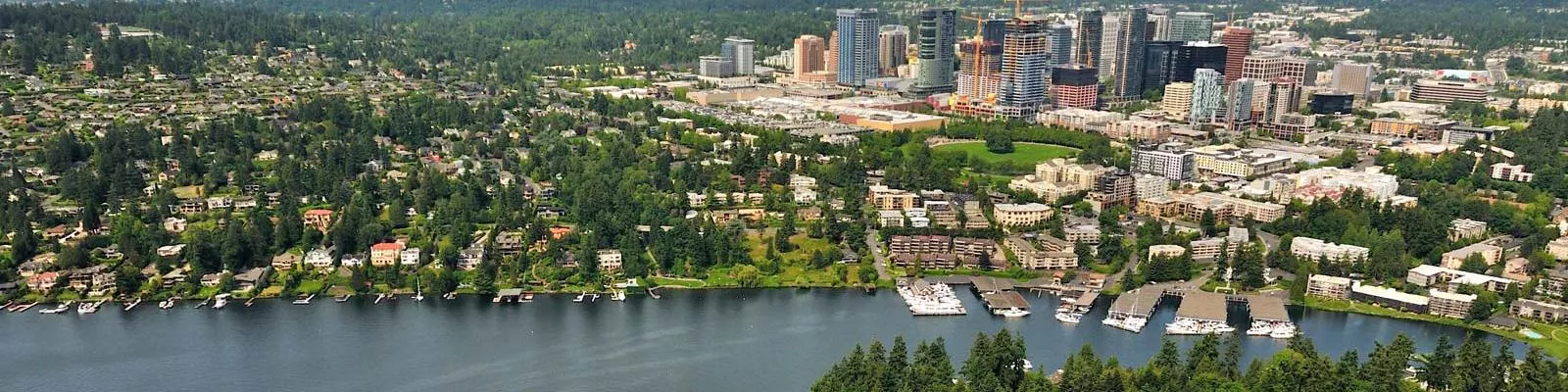
Bellevue has transformed from a quiet suburb into a thriving urban center with its own tech corridor. Located directly across Lake Washington from Seattle, Bellevue offers a compelling mix of accessibility and amenities.
Average commute to downtown Seattle: 25-35 minutes
During peak morning hours (7:00-9:00 AM), expect your commute via I-90 or SR-520 to take 30-40 minutes by car. The floating bridges can experience significant congestion, particularly when weather conditions are poor. However, Bellevue's proximity means you have options. The Sound Transit light rail, which opened its extension to Bellevue in 2023, provides a reliable 20-minute transit option that bypasses bridge traffic entirely.
Many relocating professionals find Bellevue ideal because it's become a destination in its own right. With major employers like Microsoft, T-Mobile, and Amazon establishing significant presences here, some residents barely commute to Seattle at all. The reverse commute from Seattle to Bellevue typically takes 20-25 minutes off-peak.
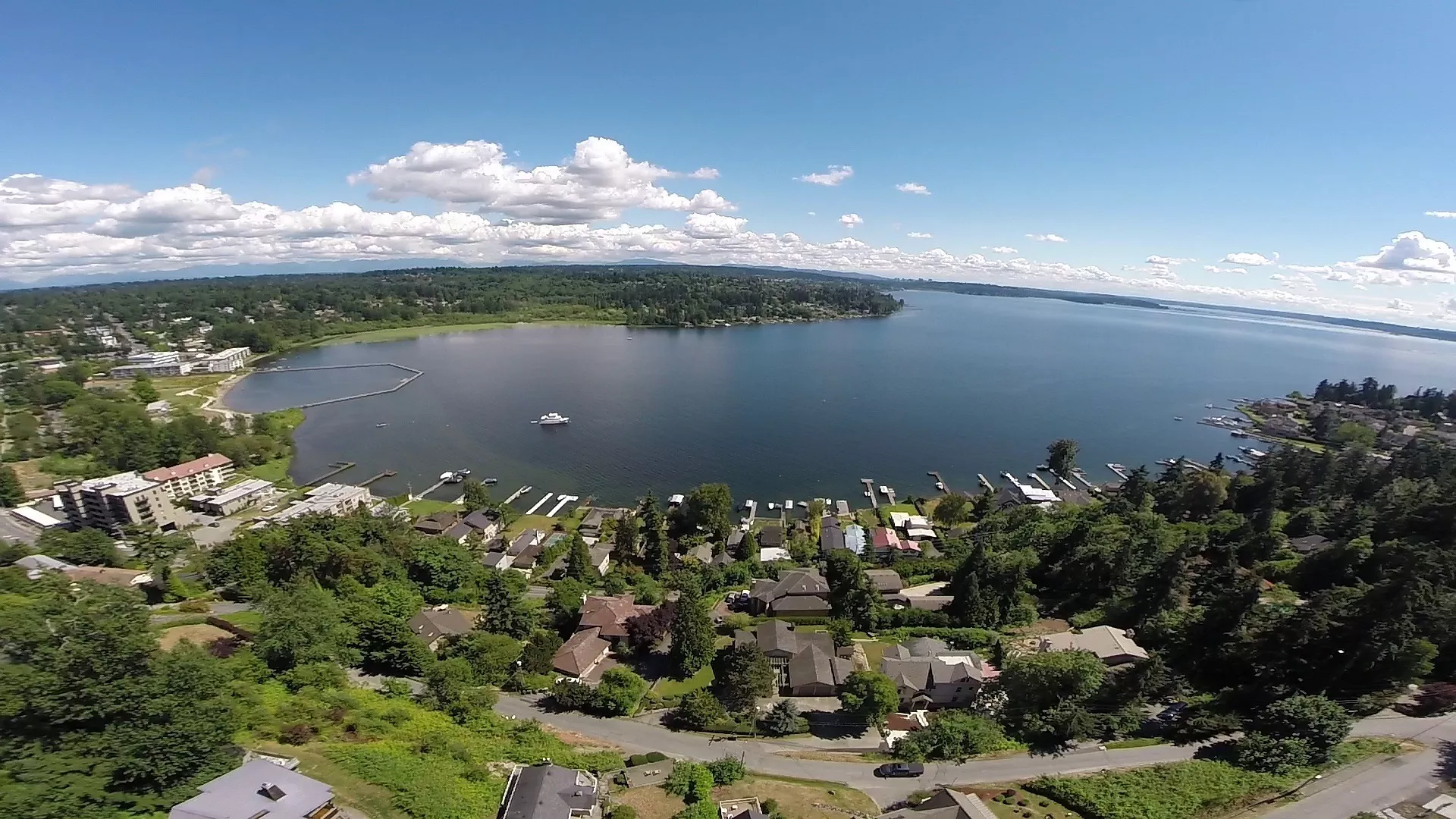
Kirkland offers charm that larger suburbs can't match. This waterfront community on Lake Washington's eastern shore combines walkable downtown areas with residential tranquility.
Average commute to downtown Seattle: 30-40 minutes
The commute from Kirkland follows SR-520 across the lake, a route known for spectacular water and mountain views. Morning rush hour typically adds 10-15 minutes to what would otherwise be a 20-minute drive. The SR-520 bridge is a toll bridge (approximately $3-4, depending on time of day), which helps manage traffic flow but adds to commuting costs.
Public transit options include several King County Metro bus routes, with express buses taking 35-45 minutes during peak hours. One advantage of Kirkland's location is its flexibility, and you're well positioned for jobs in Seattle, Bellevue, or Redmond. Kirkland particularly appeals to families and young professionals who want a strong sense of community without sacrificing urban amenities. The downtown waterfront, with its restaurants, galleries, and parks, provides a lifestyle that helps offset commute time.
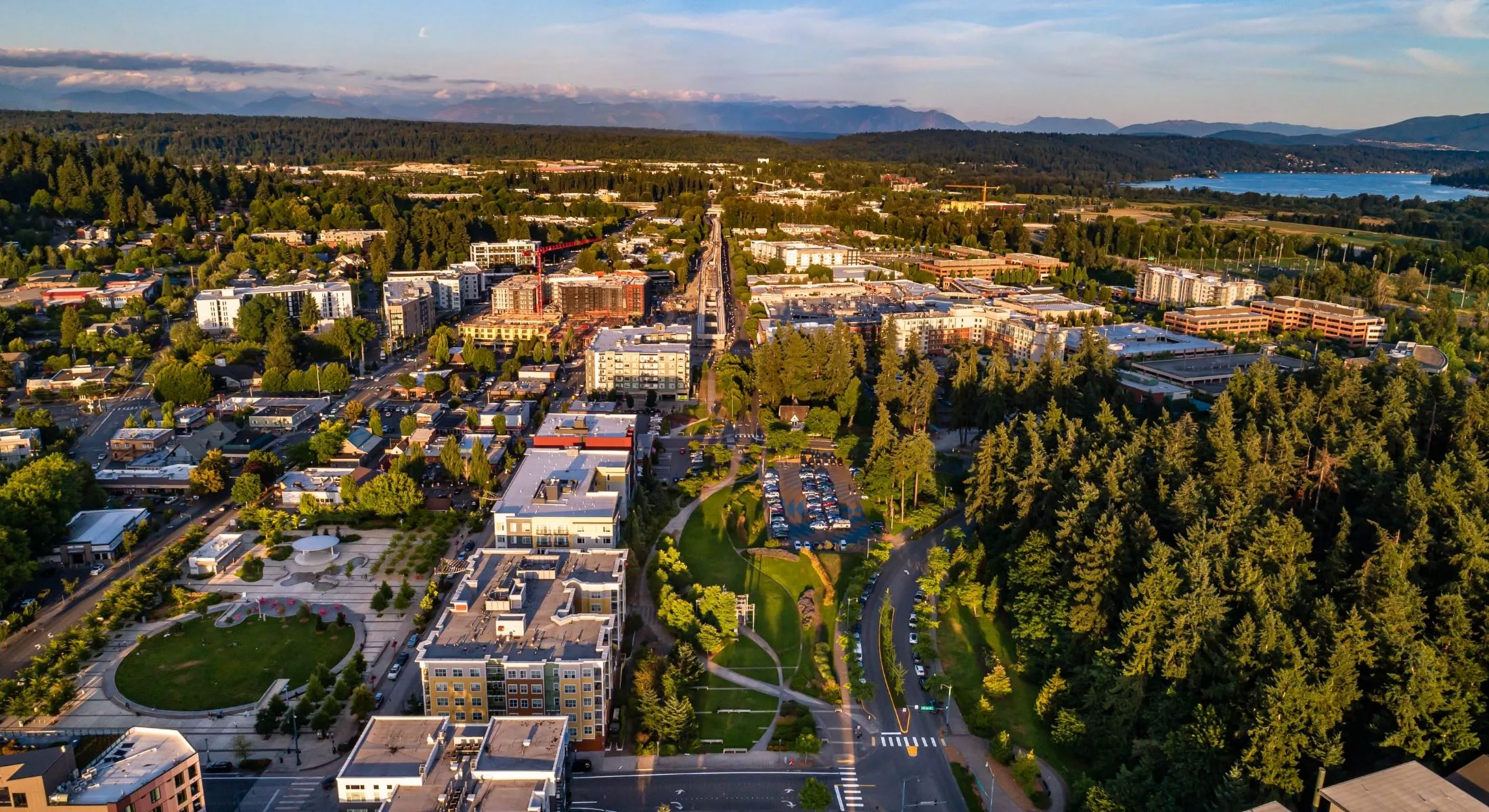
Home to Microsoft's sprawling campus and a growing cluster of tech companies, Redmond has evolved into a significant employment center that rivals Seattle itself.
Average commute to downtown Seattle: 35-45 minutes
Redmond sits farther east than Bellevue or Kirkland, making the commute slightly longer. SR-520 remains the primary route, and on particularly heavy days, morning traffic can extend drive times to 50 minutes. The advantage? If you're working in tech, there's a strong possibility your employer is located in Redmond, Bellevue, or the greater Eastside, eliminating the Seattle commute. Public transit has improved significantly with recent Sound Transit expansions, though bus travel times can reach 50-60 minutes during peak hours. For those commuting by car, Redmond's location means you'll likely use the SR-520 toll bridge regularly.
What sets Redmond apart is its extensive network of trails and parks. The city has prioritized green space and outdoor recreation, making it attractive to active families and outdoor enthusiasts. The trade-off of a longer commute often feels worthwhile when you're minutes from hiking, biking, and paddling opportunities.
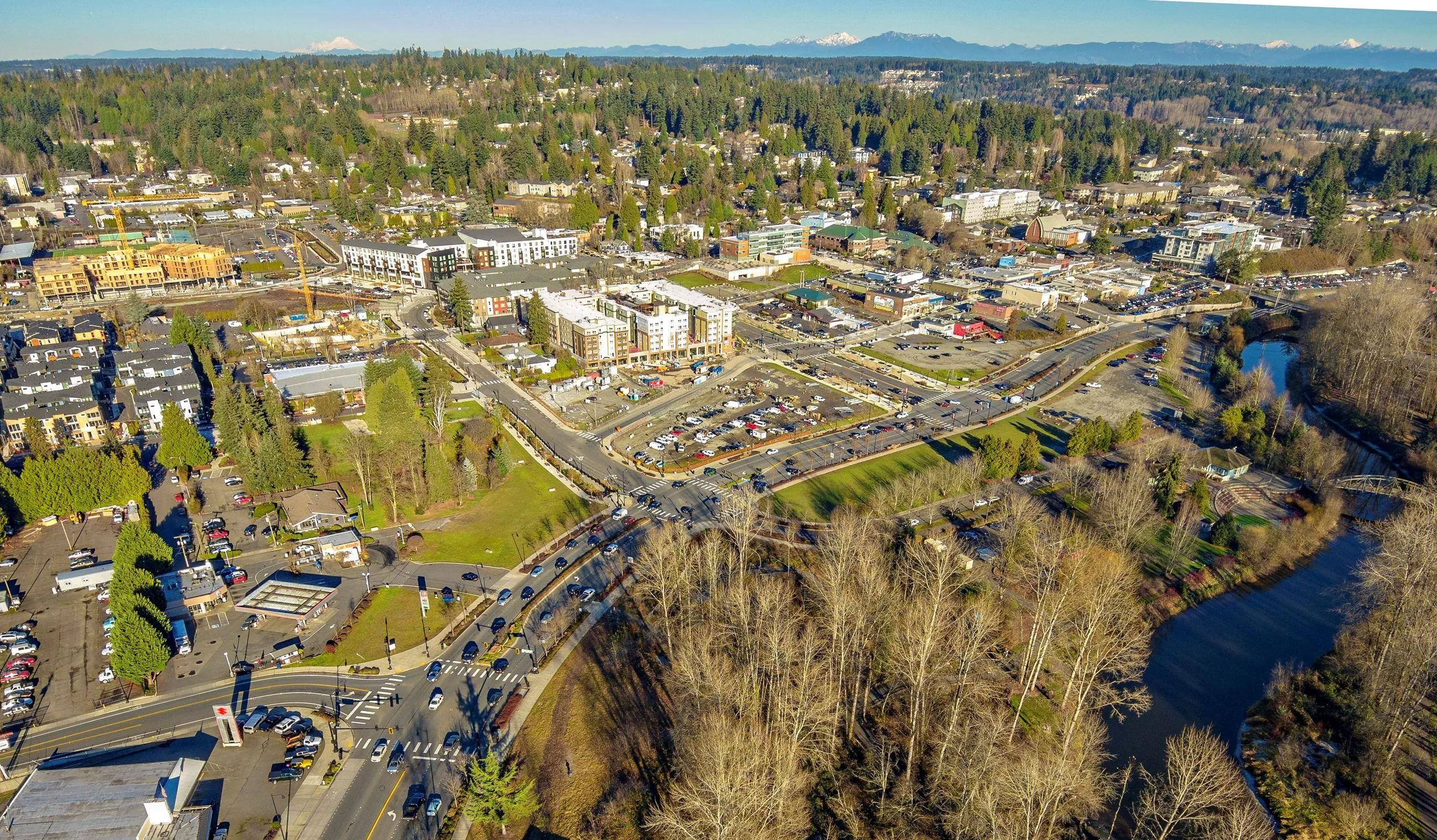
Straddling the border between King and Snohomish counties, Bothell has gained popularity among families seeking more affordable housing while maintaining reasonable access to Seattle.
Average commute to downtown Seattle: 40-50 minutes
Bothell's commute takes you through I-405 and I-5, or through Lake City Way. Morning rush hour is your biggest challenge, with heavy congestion on I-405 being a near-daily reality. Budget 50-60 minutes for morning drives, though afternoon returns can be quicker at 35-45 minutes.
Transit options are available via multiple bus routes, but expect journey times of 60-75 minutes. The trade-off is more space for your housing dollar and a strong community feel. Bothell's revitalized downtown has become a genuine draw, with popular restaurants, breweries, and the scenic Burke-Gilman Trail running through town. For families, Bothell offers excellent schools and parks, plus easier access to outdoor recreation areas north of Seattle. The commute length is the price of admission, but many residents find the slower pace and family-friendly environment worth the extra time in the car.
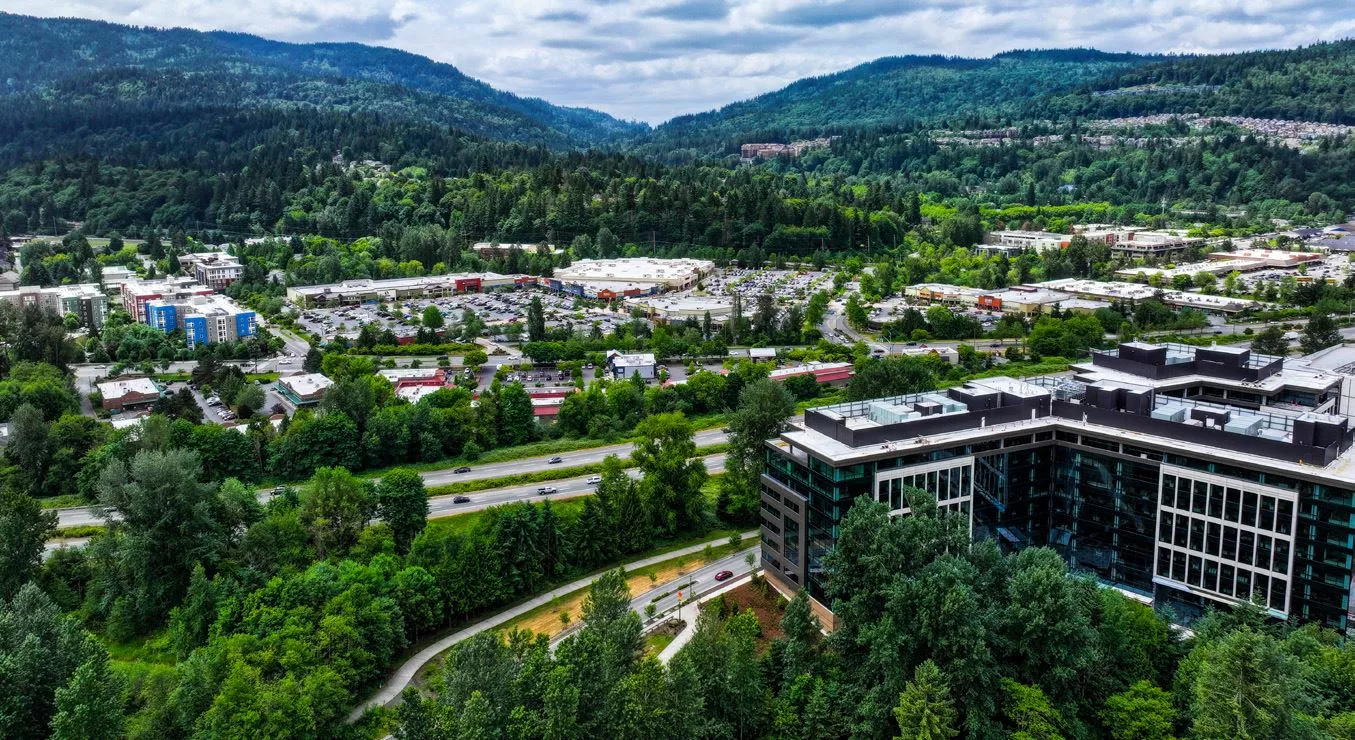
Nestled at the base of the Cascade foothills, Issaquah provides immediate access to hiking, skiing, and mountain recreation while maintaining connections to Seattle's urban core.
Average commute to downtown Seattle: 45-55 minutes
Issaquah sits farther southeast than other Eastside suburbs, making it the longest commute on this list. The primary route follows I-90 westbound, crossing Lake Washington on the Lacey V. Murrow Memorial Bridge. Morning traffic regularly extends commute times to 60 minutes or more, particularly during winter weather when mountain passes affect I-90 traffic patterns.
However, Issaquah's appeal lies beyond commuter convenience. If outdoor recreation is central to your lifestyle, few Seattle suburbs can compete. You can be hiking Tiger Mountain or Squak Mountain within 10 minutes of leaving your home. Skiing at Snoqualmie Pass is a 30-minute drive. Transit options include express buses that take 60-75 minutes, making them less practical for daily commuting. Many Issaquah residents work on the Eastside or have flexible schedules that allow them to avoid peak traffic.
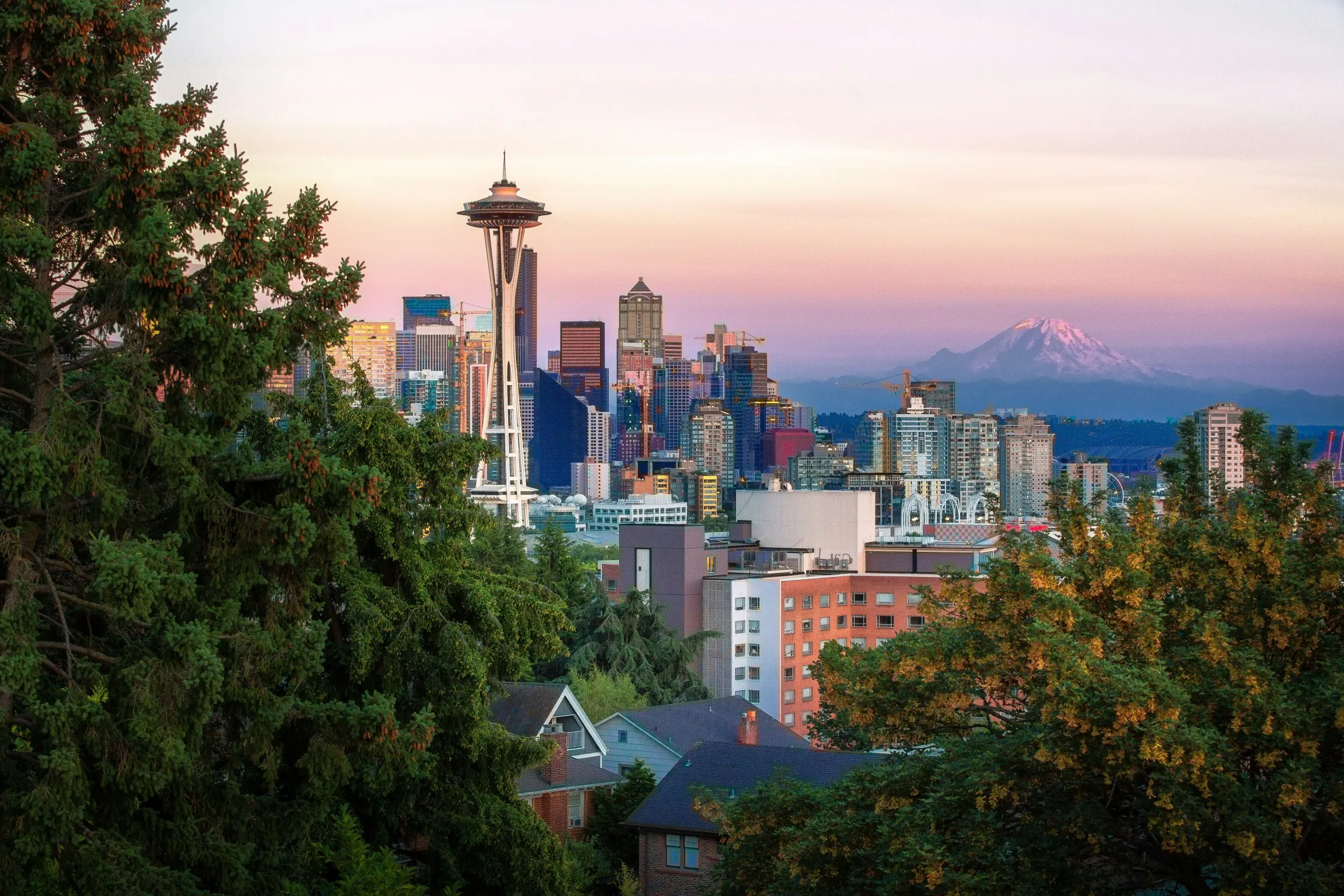
Commute times matter, but they're one factor among many. Consider your actual work location. If you're joining an Eastside tech company, suburbs like Redmond or Bellevue might offer reverse commutes or eliminate lengthy drives. Factor in lifestyle priorities: access to outdoor recreation, school quality, housing costs, and community character all play important roles in long-term satisfaction.
Seattle's traffic patterns continue evolving with light rail expansions and changing work-from-home dynamics. The suburbs covered here represent starting points for your research, each offering distinct advantages beyond simple commute times. Your ideal location balances daily logistics with the lifestyle you want to build in the Pacific Northwest.
As relocation specialists, we find that clients who prioritize overall quality of life, not just commute times, tend to be happiest with their choices. The extra 15 minutes to Issaquah might be insignificant if you're living in your ideal environment, whereas even a short Bellevue commute can feel long if the community doesn't fit your needs.
Understanding these commute realities helps you make informed decisions as you begin your Pacific Northwest journey. Welcome to the West Coast. We're here to help you find exactly where you belong. Contact us today at Pacific Relocation to get started.

Keep reading
Related insights from our team to support your relocation journey.
.webp)