
Building Credit From Zero: Newcomer Cards in Canada and the US

The first credit check after your move comes back empty. Twenty years of on-time payments, a mortgage paid down responsibly, a credit card you have never carried a balance on past the due date: none of it moves with you. The Financial Consumer Agency of Canada and the US Consumer Financial Protection Bureau both confirm the same unglamorous fact: a credit file is built inside one country's banking system, and it stays there. A flawless record in Vancouver buys you nothing in Seattle. A flawless record in Portland buys you nothing in Vancouver.
If you are moving between Vancouver, Seattle and Portland, that border is the whole issue: whichever side you land on, you start from zero there, however strong your file is on the other side.

A credit bureau holds a record of every loan and credit account you have opened, how much you owe, and whether you paid on time. In Canada that record lives with Equifax Canada and TransUnion Canada. In the United States it lives with Equifax, Experian, and TransUnion's American operations. These bureaus only track activity reported by lenders operating in their own country, which is why a Canadian bureau cannot see your Australian mortgage and a US bureau cannot see your UK credit card. Nothing transfers automatically in either direction, no matter how long the history or how clean the payments.
The practical effect shows up faster than most newcomers expect. A landlord's screening service returns nothing to check. A cell phone provider asks for a deposit instead of a plan. A car dealership quotes you a lease with a co-signer requirement. A mortgage pre-approval stalls because there is no repayment pattern to underwrite against. None of this reflects your character or your finances back home. The CFPB has a name for it, credit invisible: the bureaus simply have no data on you. It resolves the same way in both countries: by opening accounts, using them modestly, and letting the bureau watch you pay them back over time.
If your most immediate version of this problem is a landlord asking for a credit check you cannot produce, our companion piece on winning a Vancouver rental without Canadian credit history covers the substitute documents that work while your file is still empty. The rest of this article is about making sure that file stops being empty as quickly as it reasonably can.
Most of Canada's major banks run a newcomer banking package for people who have recently landed with permanent residence, a work permit, or a study permit. These packages typically bundle a chequing account, a savings account, and a starter credit card approved on immigration documents and proof of funds rather than a Canadian credit history, since you do not have one yet. Terms and eligibility windows vary by institution and change without much notice, so confirm current details directly with the bank rather than a comparison summary written months earlier.
None of this is legal, tax, or immigration advice, and terms on any specific card, loan, or reporting service vary by institution and change over time. Confirm current details directly with your bank, card issuer, or a licensed immigration professional where your status is involved.
You will need a bank account before most of this works, and a Social Insurance Number before most banks will open one. Our guides on opening your first Canadian bank account and applying for a SIN number cover that sequence in detail, and it is worth doing in that order.
If a newcomer package is not available to you, a secured credit card is the reliable fallback. You put down a deposit, usually equal to the credit limit, and the issuer reports your payment activity exactly as it would for an unsecured card. Once Equifax Canada or TransUnion Canada has one reported account, your file exists. The Financial Consumer Agency notes that credit bureaus update your report at least once a month, so the first reporting cycle is when your file genuinely begins, not the day you signed up.
We handle your housing, schools and paperwork, start to finish.
In the US, a Social Security Number is the identifier almost every mainstream lender expects before opening a credit account in your name. If you are not eligible for one, the IRS-issued Individual Taxpayer Identification Number exists as a federal tax identifier, and a growing number of card issuers accept it in place of an SSN. Our guides to applying for a Social Security Number and opening your first US bank account cover eligibility, timing, and what most institutions ask for as a new resident; if you are not SSN-eligible, raise the ITIN route with your bank directly, since acceptance varies.
Once you have an identifier and an account, the CFPB lists three product categories worth asking your bank or a local credit union about: a secured credit card, a credit builder loan, or a low-limit retail card. A secured card works the same way it does in Canada: you deposit cash equal to your limit and spend against it. A credit builder loan flips a normal loan around, holding your payments in an account you receive once you finish paying it off, usually over six to 24 months, according to the CFPB, while your on-time payments are still reported to the bureaus. Becoming an authorized user on a spouse's or family member's existing card is another route; the CFPB confirms an authorized user is generally not liable for the account's debt, and the issuer typically reports the account history to your own file once you are added.
Whichever route you take, expect a wait before a number appears at all. According to FICO's own scoring criteria, you need at least one account open for six months and at least one account reported to the bureaus within the past six months before a FICO score can be generated. A perfectly managed new account at month three still will not produce a score. The wait is built into the scoring model itself.
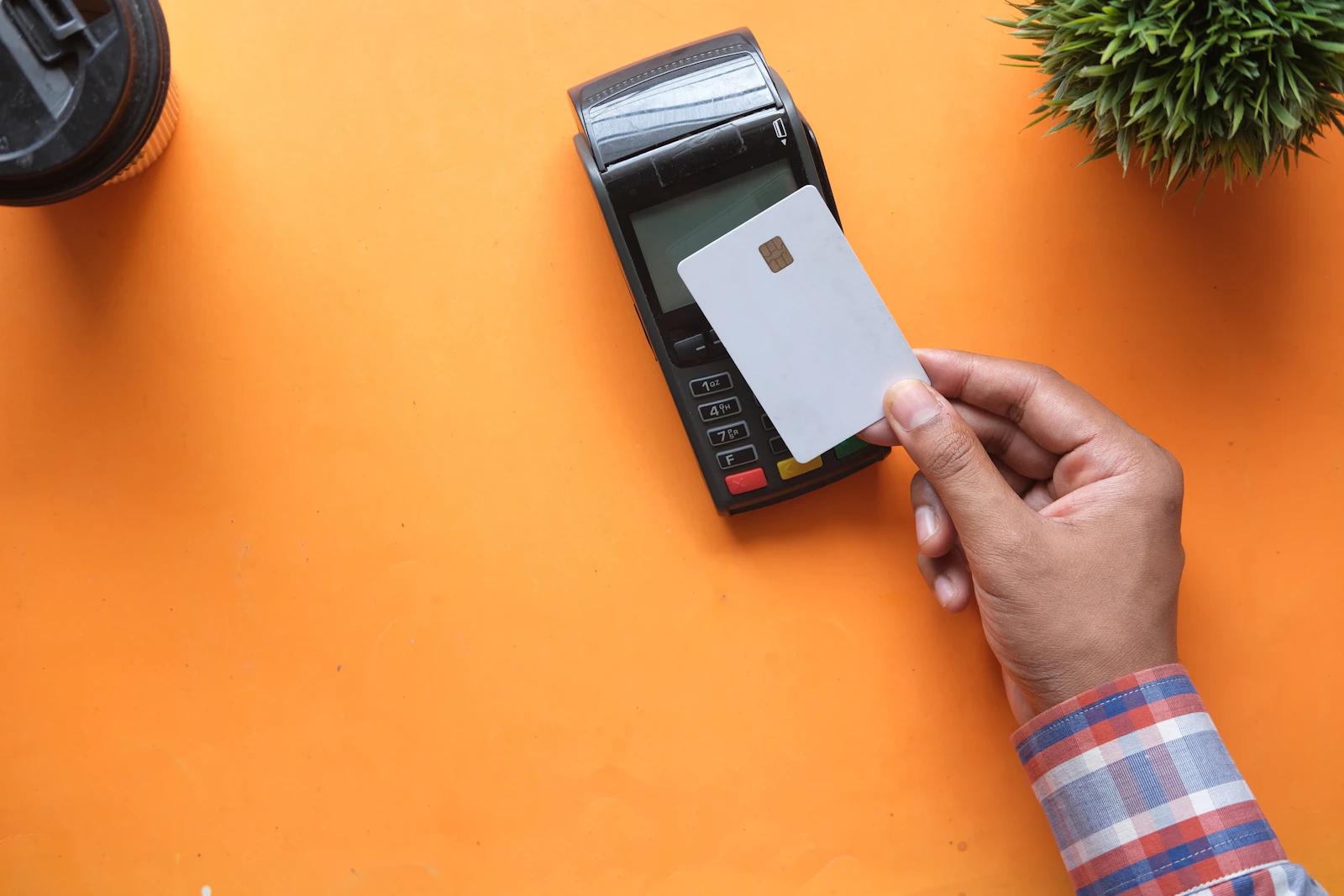
Once a file exists, in either country, two things dominate everything else: whether you pay on time, and how much of your available credit you are using. The Financial Consumer Agency's guidance on improving your credit score puts payment history first and recommends keeping credit utilization under 30 percent of your limit. The CFPB is less specific: it notes that some experts advise using no more than 30 percent of your total limit, and others suggest under 10 percent.
A few widely repeated pieces of advice do not hold up under either regulator's own explanation:
A handful of services exist specifically to soften the gap between an old file and a new one. International credit translation services, of which Nova Credit is the best known example, take your consent and your overseas credit history and convert it into a local-equivalent report that a participating lender can read. It does not create a US or Canadian credit score outright, and not every lender accepts it, but a lender who does can read the history you already have. Ask any bank or landlord directly whether they accept a translated international report before assuming they do.
Two other bridges are worth one question each. If your home-country bank has branches or partnerships on both sides of the border, ask before you leave whether it has a referral arrangement; these are rarely advertised. If you rent, a rent-reporting service can send your on-time payments to the credit bureaus even though rent is not a loan product. Before signing up, ask which bureau receives the data and what it costs, since both vary by provider.
The sequence matters more than the speed. Skipping a step usually costs more time than it saves.
As of September 2026, both Canadian bureaus and their US counterparts update reports on a roughly monthly cycle, so about 90 days after arrival is a reasonable checkpoint to request your first credit report, not a deadline to hit a specific score.
A few errors show up often enough to name directly.
By the one-year mark, a newcomer who opened one account early and used it consistently will usually have a real credit file and a score in both countries. That can open the door to an unsecured card or better loan and rental terms, but each lender and landlord sets its own criteria, so ask before you apply. It is rarely an excellent score yet; that takes years of account age and a wider mix of credit types, which the FCAC lists among the factors bureaus weigh. Twelve months is enough to stop being invisible. It is not enough to stop confirming details with lenders directly, or to skip checking your report each year through AnnualCreditReport.com in the US or directly from Equifax Canada or TransUnion Canada.
Whichever side of the border you land on, the first step is the identifier application, and everything else on this page waits for it. Our settling-in service coordinates the logistics around this process, from the bank account appointment to the paperwork your first card application will ask for, but we do not advise on which product to choose or what it will cost; that decision belongs between you and the institution you choose. If you are about to arrive in Vancouver, Seattle or Portland, talk to us about setting up your banking and a first credit card in your first month.

Keep reading
Related insights from our team to support your relocation journey.

