Opening Your First US Bank Account: Required Documents for New Residents
.webp)
Opening a US bank account is one of the most important steps in establishing your life on the West Coast, whether you're in Seattle, Vancouver, or Portland. You'll need it for your paycheck, rent, credit, and daily expenses. The process can feel like a lot at first, but knowing what documents to bring makes your first visit go smoothly.

This should be a priority during your first weeks in the United States. Most employers require direct deposit for payroll, landlords prefer automatic rent payments, and many services from utilities to subscriptions need a US-based payment method. Establishing banking history early also helps build your financial identity in the country, which matters once you're ready to apply for credit cards, auto loans, or mortgages.
Most US banks follow what's commonly called the "two-document rule." You'll need to provide two forms of identification from approved categories: one that verifies your identity and one that confirms your US address. As a new resident, though, you might not have established proof of address yet, which is where things get slightly more complex, but not impossible.
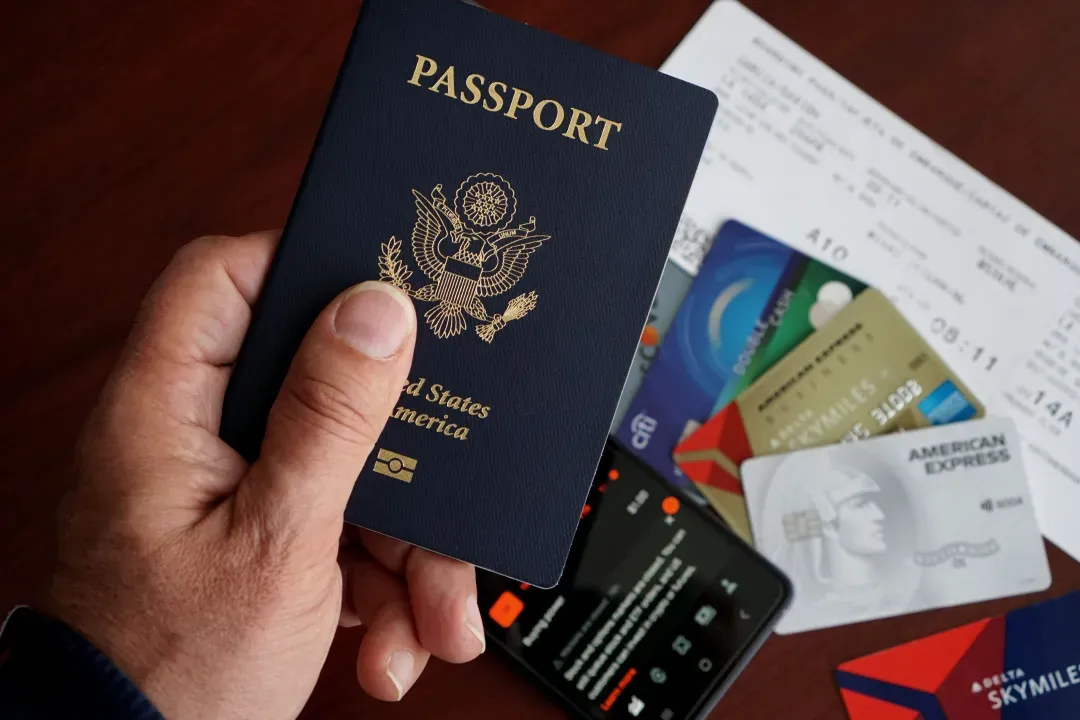
For your primary identification, banks will accept several documents. Your passport is typically the strongest option, especially if you're on a work visa, student visa, or other immigration status. If you're a permanent resident, your green card works well as primary identification and demonstrates your legal status in the country.
International driver's licenses are sometimes accepted, but it's a good idea to get a state-issued driver's license or ID card as soon as possible. In West Coast states, you can typically apply for these within your first few weeks, and they come in handy for banking and other transactions. The process varies by state; Washington's DOL and Oregon's DMV each have specific requirements for new residents.
Address verification is the biggest challenge for newcomers. Traditional proof of address includes utility bills, lease agreements, or mortgage statements in your name, and if you've just arrived, you likely don't have these yet. Most banks understand this and offer alternatives: a signed lease agreement is often enough, even before your first utility bill arrives. If you're in temporary housing while searching for a permanent place, a letter from your employer on company letterhead confirming your US work address can sometimes work, particularly if you're being relocated by your company.
Some banks will accept a notarized letter from the person you're staying with, combined with a utility bill in their name showing the same address. This is particularly helpful if you're staying with family or friends during your initial transition period.

While not always required on day one, having a Social Security Number (SSN) or Individual Taxpayer Identification Number (ITIN) significantly expands your banking options. Many major banks will open accounts without an SSN, but some require it for full account features or to avoid monthly fees.
If you're authorized to work in the US, apply for your SSN as soon as possible after arrival. The process typically takes two to three weeks. If you're not eligible for an SSN, you can apply for an ITIN through the IRS, though that takes longer, usually six to ten weeks.
Bringing supplementary documents helps. If you have an immigration visa in your passport, bring that. If your employer has provided a relocation letter or employment contract, include it. Some banks appreciate seeing your offer letter or employment verification, especially if it shows your US work address.
For those coming from abroad with banking history, consider requesting a reference letter from your previous bank. US banks won't typically check international credit history, but a letter stating you maintained accounts in good standing can help build trust, particularly when opening accounts with higher deposit requirements.
Different banks have different policies regarding new residents. National banks like Chase, Bank of America, and Wells Fargo have extensive branch networks across the West Coast and are used to working with new arrivals. Local credit unions and regional banks, though, may offer more flexibility with documentation and more personalized service for complex situations. Before visiting a branch, call ahead or check the bank's website for their requirements for new residents or non-residents. Some banks have dedicated teams for international or relocating customers.
Plan for your first bank visit to take 30 to 60 minutes. You'll meet with a banking representative who reviews your documents, explains account options, and helps you choose the right account. Bring enough for an initial deposit, this can range from $25 to $100 or more depending on the account type. Ask about online banking setup, mobile apps, debit card delivery timeframes (usually 7-10 business days), temporary checks, and any fees. Also ask about overdraft protection, international wire transfers if you need to move money from abroad, and whether they offer services in your preferred language.
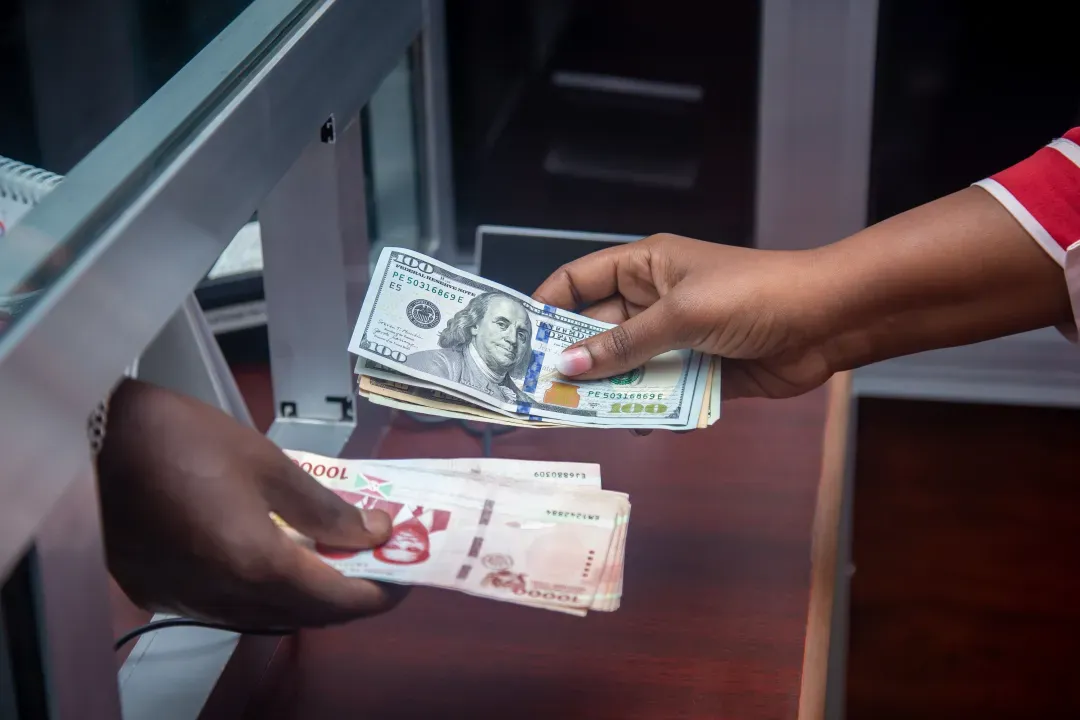
Opening your first US bank account sets up the rest of your financial life on the West Coast. With the right documents and a sense of what banks need, the process is straightforward. Most bank representatives want to help, and they understand that new residents face unique documentation challenges. Once your account is open, you can move on to other tasks: setting up utilities, registering for local services, and building the credit history you'll rely on.
Need help navigating your West Coast relocation? Pacific Relocation supports individuals and families through every step of the transition, from documentation guidance to cultural integration. Contact us to learn how we can make your move easier.

Keep reading
Related insights from our team to support your relocation journey.