
Rainy Season Survival: October to March in the Pacific Northwest
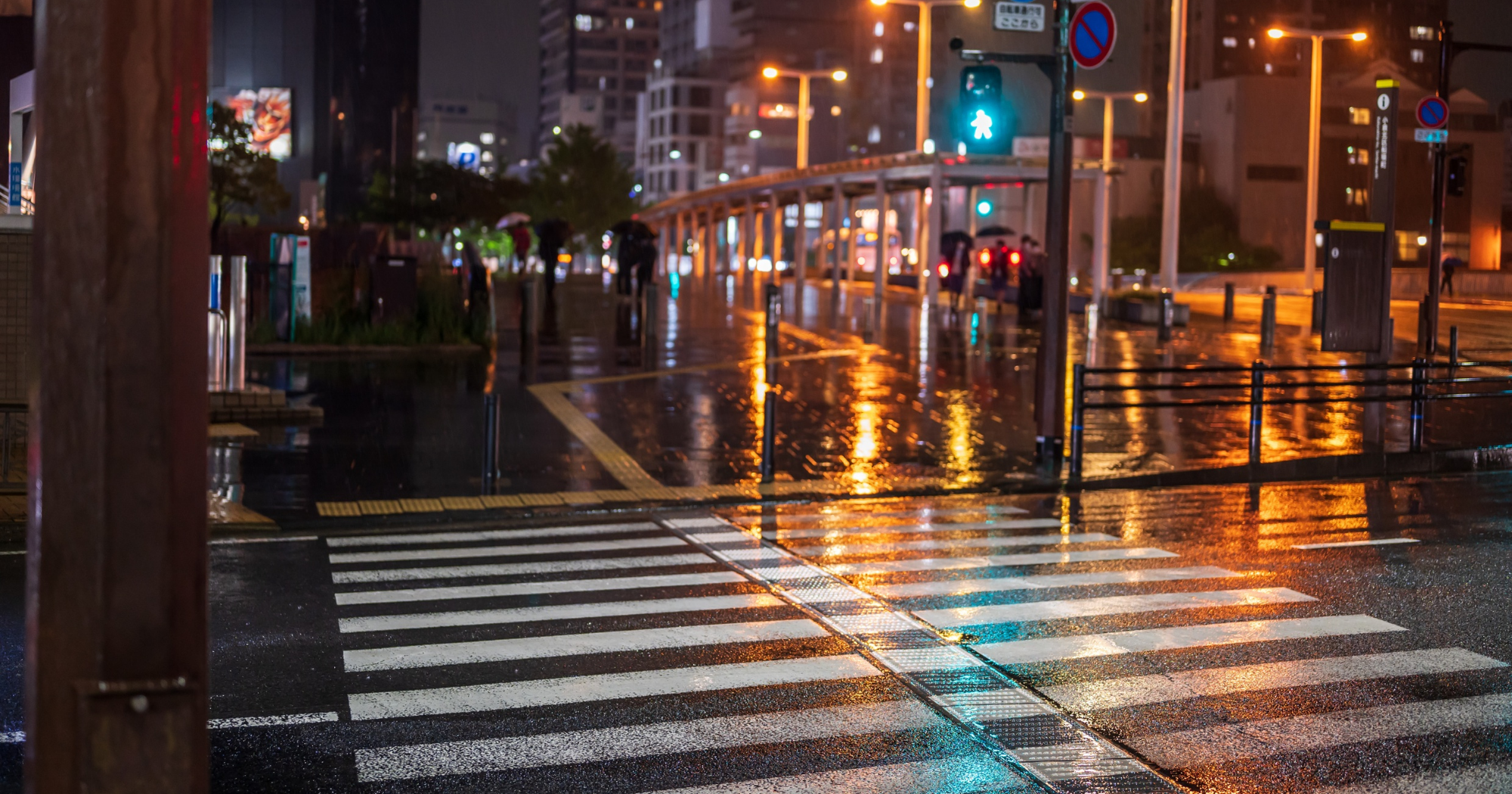
If you're relocating to the Pacific Northwest between October and March, there's one thing you need to know: it's going to rain, a lot. But here's what the locals understand that newcomers often miss. The rainy season isn't something to endure; it's something to embrace as part of what makes this region extraordinary.
The Pacific Northwest receives the majority of its annual precipitation during these six months, with some coastal areas seeing 150+ days of measurable rainfall. Vancouver typically gets around 161mm of rain in November alone, while Seattle and Portland averages 150mm. But before you panic, understand that PNW rain is different from what you might expect.

Forget what you know about thunderstorms and downpours from other regions. PNW rain is typically a steady drizzle (what locals call "mist" or "liquid sunshine"). It rarely pours; it persists. You'll experience days where it never really rains hard, but it never quite stops either. This constant drizzle is why you'll rarely see locals carrying umbrellas. The rain is gentle enough that a good waterproof jacket is all you need. In fact, using an umbrella can mark you as a newcomer faster than anything else.
Your wardrobe needs a complete overhaul for rainy season success. Invest in quality waterproof outerwear, not water-resistant, but genuinely waterproof. Brands like Arc'teryx (Vancouver-based), Outdoor Research (Seattle-based), Patagonia, and Columbia are popular for good reason.
Layering is your survival strategy. The temperature rarely drops below freezing at sea level, hovering between 2-8°C most days, but the dampness makes it feel colder. A typical outfit might include a breathable base layer, an insulating mid-layer like fleece, and a waterproof shell. Uniqlo offers good rainwear that you can wear as layers.
Don't forget your feet. Waterproof boots or shoes with good traction are essential. The city streets get slick, and if you're exploring trails, mud becomes a constant companion. Many locals keep a spare pair of shoes at work to change into after their commute.
Essential rainy season gear checklist:
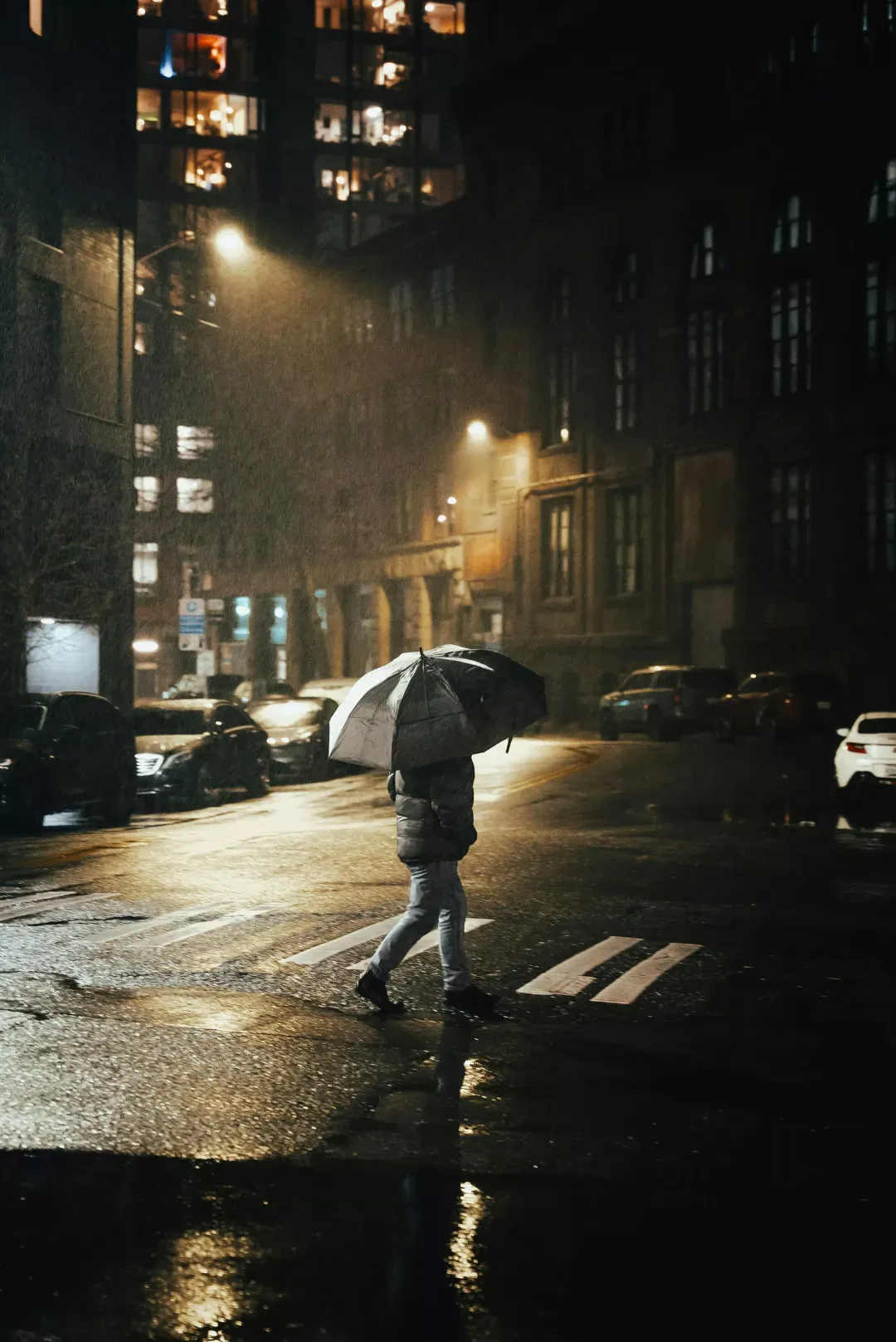
The rainy season requires some lifestyle adjustments, but they quickly become second nature. Morning commutes take longer as roads get slick and visibility decreases. Give yourself an extra 10-15 minutes for any journey during peak rain months.
If you're driving, make sure your windshield wipers are in excellent condition, and your tires have adequate tread. Hydroplaning is a genuine concern in the region's many hills. If you're cycling, and many people do year-round, invest in fenders, lights, and high-visibility gear.
Indoor activities become social hubs during these months. The PNW is famous for its coffee culture, craft breweries, and restaurants precisely because they serve as gathering spaces during the darker, wetter months. Don't isolate yourself at home. Embrace the region's vibrant indoor culture.
The most challenging aspect of the rainy season isn't the wet. It's the gray. From November through February, you might not see the sun for weeks. The persistent cloud cover, combined with short days (as little as 8 hours of daylight in December), can affect your mood. Seasonal Affective Disorder (SAD) is common in the Pacific Northwest. Combat it proactively:
Here's where long-time residents honestly differ from newcomers: they don't stop going outside. The rain doesn't cancel plans; it just changes what you wear.
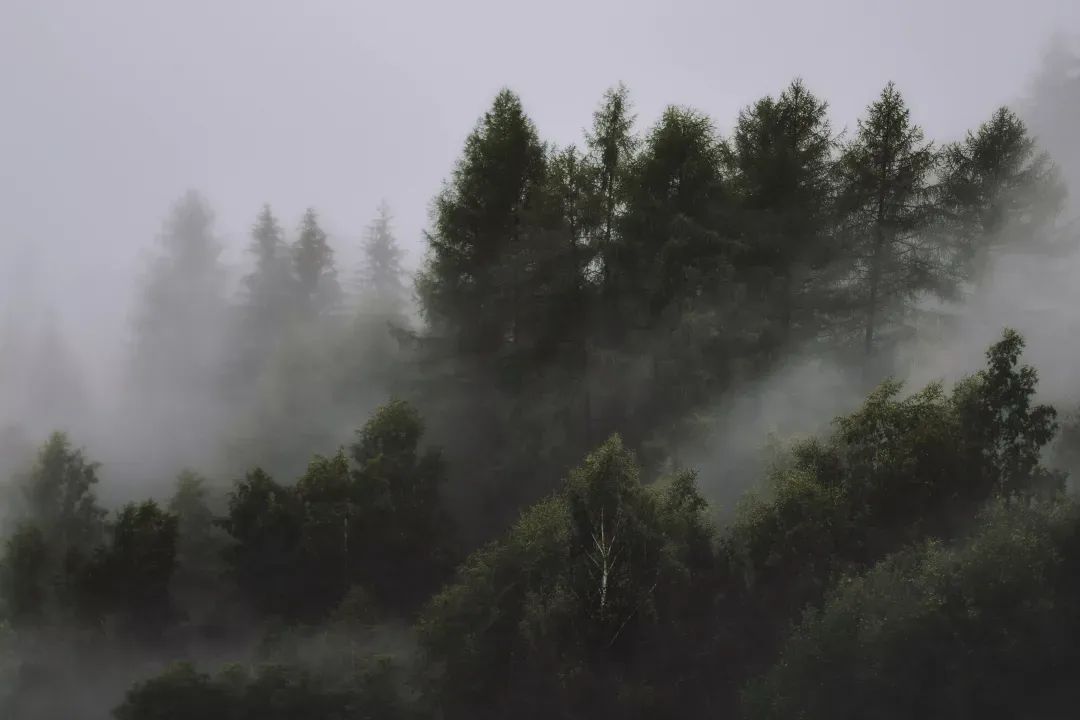
Hiking remains popular throughout winter. The forests are magical in the rain, moss glows bright green, waterfalls swell to impressive volumes, and you'll have popular trails largely to yourself. The mountains look more dramatic wrapped in low-hanging clouds and mist.
The skiing and snowboarding season runs throughout the rainy months at higher elevations. While it rains in the cities, it snows in the mountains. Whistler Blackcomb, Mt. Baker, and other resorts are easily accessible for weekend trips.
Storm watching becomes a legitimate activity on the coast. From November through March, powerful Pacific storms bring impressive waves crashing against the shore. Tofino and the Olympic Peninsula coastline attract visitors specifically for this dramatic display.
The rainy season transforms the Pacific Northwest landscape in ways that summer visitors never experience. Everything becomes impossibly green. The rain nourishes the temperate rainforests that make this region unique. Rivers and waterfalls reach their peak flow, creating spectacular scenery.
Photography enthusiasts often prefer these months for the dramatic lighting, moody clouds, and reflective surfaces. The region's famous evergreen forests appear even more vivid against gray skies.
Wildlife viewing can be exceptional. Migrating birds arrive, salmon runs occur in rivers and streams, and animals are more visible against the stark winter landscape.
Perhaps the greatest reward for surviving the rainy season is what comes after. By late March, the Pacific Northwest experiences one of North America's earliest springs. Cherry blossoms bloom in Vancouver by late February, daffodils carpet parks in March, and by April, the region explodes in color.
You'll also have earned your place among locals. There's an unspoken camaraderie among those who've weathered a whole PNW winter. You'll understand the inside jokes about rain, appreciate sunny days in ways you never did before, and have your own collection of favorite cozy spots.
Relocating to the Pacific Northwest during the rainy season doesn't have to be miserable. With the right mindset, proper gear, and willingness to adapt, you'll discover what draws people to this region despite (or perhaps because of) its famous rain.
The rain brings life to the forests, fills the rivers, and creates the dramatic landscapes that define the Pacific Northwest. It's what makes summer's endless sunny days feel earned and precious. The key is accepting that you can't avoid the rain, so you might as well learn to live in it.
After your first rainy season, you'll notice something curious: you'll stop checking the weather forecast before making plans. You'll have your waterproof jacket by the door, good boots on your feet, and the confidence to go about your life regardless of what's falling from the sky. That's when you'll know you've truly become a Pacific Northwesterner.
Are you ready to weather the Pacific Northwest’s rainy season and settle in? Contact us at Pacific Relocation today to start your new beginning in one of North America’s beautiful cities on the West Coast.

Keep reading
Related insights from our team to support your relocation journey.