
Choosing Your Portland Neighborhood by Commute Time
Portland is a relatively compact urban core, and its full public transit system makes it easier than many West Coast cities to find a neighborhood that balances your lifestyle preferences with a reasonable commute. Whether you're relocating for work in the tech sector, healthcare, education, or Portland's thriving creative industries, understanding commute patterns will help you make a more informed housing decision.
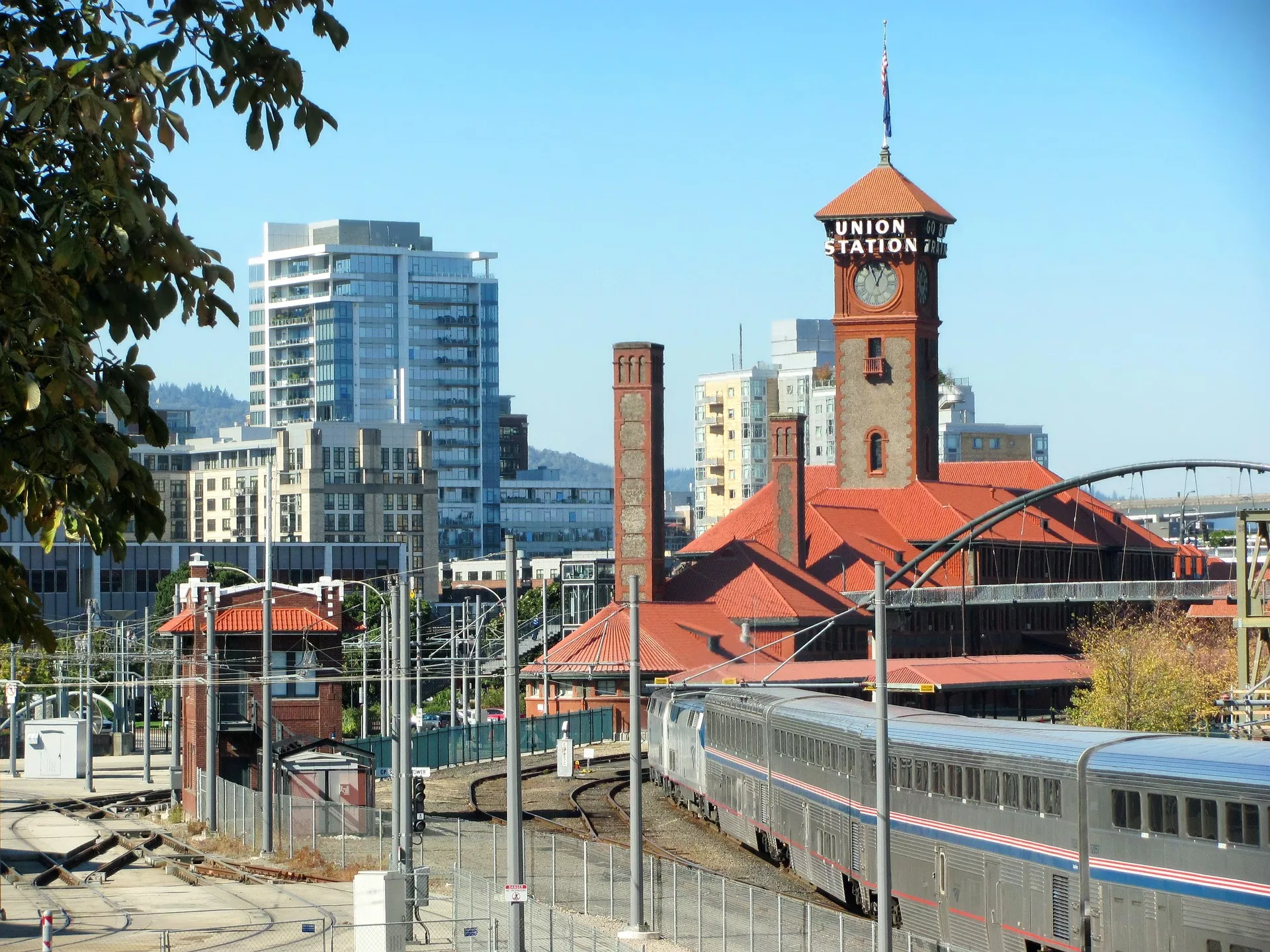
Portland operates on a grid system with the Willamette River running north-south through the city center, effectively dividing it into east and west sections. The city's TriMet system includes buses, the MAX light rail (five lines), and the Portland Streetcar, creating what locals call one of the best public transit networks on the West Coast.
Most major employers cluster in specific areas: downtown Portland, the Lloyd District, the Pearl District, South Waterfront (OHSU and biotech), and increasingly in Beaverton and Hillsboro to the west (Nike, Intel, and the Silicon Forest tech corridor). Your workplace location will significantly influence which neighborhoods offer the most practical commutes.
If your office is in downtown Portland or the nearby Pearl District, several neighborhoods offer door-to-door commutes of under 20 minutes.
The Pearl District offers a walk-to-work lifestyle, with modern condos and converted warehouse lofts. You'll find upscale dining, art galleries, and Powell's City of Books. Expect higher rental prices (typically $1,800-$2,800+ for a one-bedroom), but you may eliminate car-related expenses.
Northwest Portland (Nob Hill) sits just north of downtown with charming Victorian homes, tree-lined streets, and the popular NW 23rd Avenue shopping corridor. A 10-15-minute streetcar ride or a quick bike commute makes this ideal for those who want neighborhood character without sacrificing convenience.
Across the river, the Central Eastside and inner Southeast neighborhoods like Buckman and Kerns offer 15-20-minute commutes by bike, MAX, or bus. These areas feature Portland's famous food cart pods, craft breweries, and a more eclectic, DIY aesthetic. Housing costs run lower than in the Pearl, with better access to neighborhood coffee shops and independent businesses.
This commute range opens up Portland's most sought-after residential neighborhoods, where you'll find more space, better walkability, and distinct community identities.
Northeast Portland neighborhoods like Irvington, Alameda, and Beaumont-Wilshire feature beautiful historic homes, excellent public schools, and active neighborhood associations. The MAX Yellow and Green Lines provide reliable 25-30 minute commutes downtown, while the streets themselves are perfect for Portland's bike culture. Families particularly gravitate here for the combination of urban amenities and residential calm.
Southeast Portland's inner neighborhoods (Hawthorne, Division, Belmont, and Sunnyside) have become synonymous with Portland's creative culture. Independent bookstores, vintage shops, and some of the city's best restaurants line the main corridors. Bus lines along these east-west streets typically take 25-30 minutes to reach downtown, though cycling can be faster. These neighborhoods offer better housing value than close-in westside locations while maintaining that "Portland feel" that newcomers often seek.
Sellwood-Moreland in Southeast Portland sits farther out but maintains a village-like atmosphere with antique shops and riverside parks. The 30-35 minute bus commute suits those who prioritize neighborhood charm and slightly larger living spaces at more moderate prices.
For westside commuters, Hillsdale and Multnomah Village in Southwest Portland offer quiet, hilly streets with a suburban feel while remaining within the city limits. These neighborhoods work particularly well if you're commuting to OHSU, Portland State University, or heading west toward Beaverton, though the steep hills make cycling challenging.

If you're willing to accept a longer commute, you'll gain significantly more space and often better public schools, while still maintaining relatively easy access to Portland's urban core.
North Portland neighborhoods like St. Johns and University Park offer craftsman homes with actual yards, tight-knit communities, and improved transit connections via the Yellow Line. The 40-45-minute commute downtown is worthwhile for families seeking more square footage and outdoor space. St. Johns retains a small-town, main-street feel that many newcomers find welcoming.
Beaverton, Hillsboro, and Tigard to the west have become destinations in their own right, especially for tech workers. Intel, Nike, and numerous tech companies mean you might reverse-commute here from Portland proper. The MAX Blue and Red Lines connect these suburbs to downtown Portland in 40-50 minutes, creating viable options if you want newer construction, larger homes, and established suburban infrastructure.
Lake Oswego and West Linn, south of Portland, offer upscale suburban living with excellent schools but limited transit options. These communities generally require car commuting, taking 30-40 minutes depending on traffic.
Gresham, to the east, offers the most affordable housing in the metro area with MAX Blue Line access. The 45-50 minute ride downtown won't suit everyone, but you'll find significantly more space for your budget and a genuinely diverse, family-oriented community.
Raw commute time tells only part of the story. Consider these factors as you narrow your neighborhood search:
Transit reliability vs. driving flexibility: Portland's MAX trains run frequently during commute hours with minimal delays, while bus service quality varies by route. If you plan to drive, remember that Portland's rush hour traffic, while mild compared to Seattle or San Francisco, still creates bottlenecks on I-5 and I-84 between 7-9 AM and 4-6 PM.
Weather and cycling: Portland's famous rain falls primarily between October and May. Many committed bike commuters continue year-round with proper gear, but consider whether you'll realistically cycle during gray, drizzly months when evaluating bike-friendly neighborhoods.
Neighborhood priorities: Do you want immediate walkability to cafes and shops, or a quiet street with a yard? Portland offers both, but your tolerance for commuting will determine which you can access. The neighborhoods within 20 minutes of downtown prioritize density and vibrancy; those beyond 35 minutes lean toward space and calm.
Future flexibility: If your job might change or you're relocating with a partner who works in a different area, neighborhoods with multiple transit options (like inner Southeast, with several bus lines plus MAX access) offer greater adaptability than single-transit-line locations.
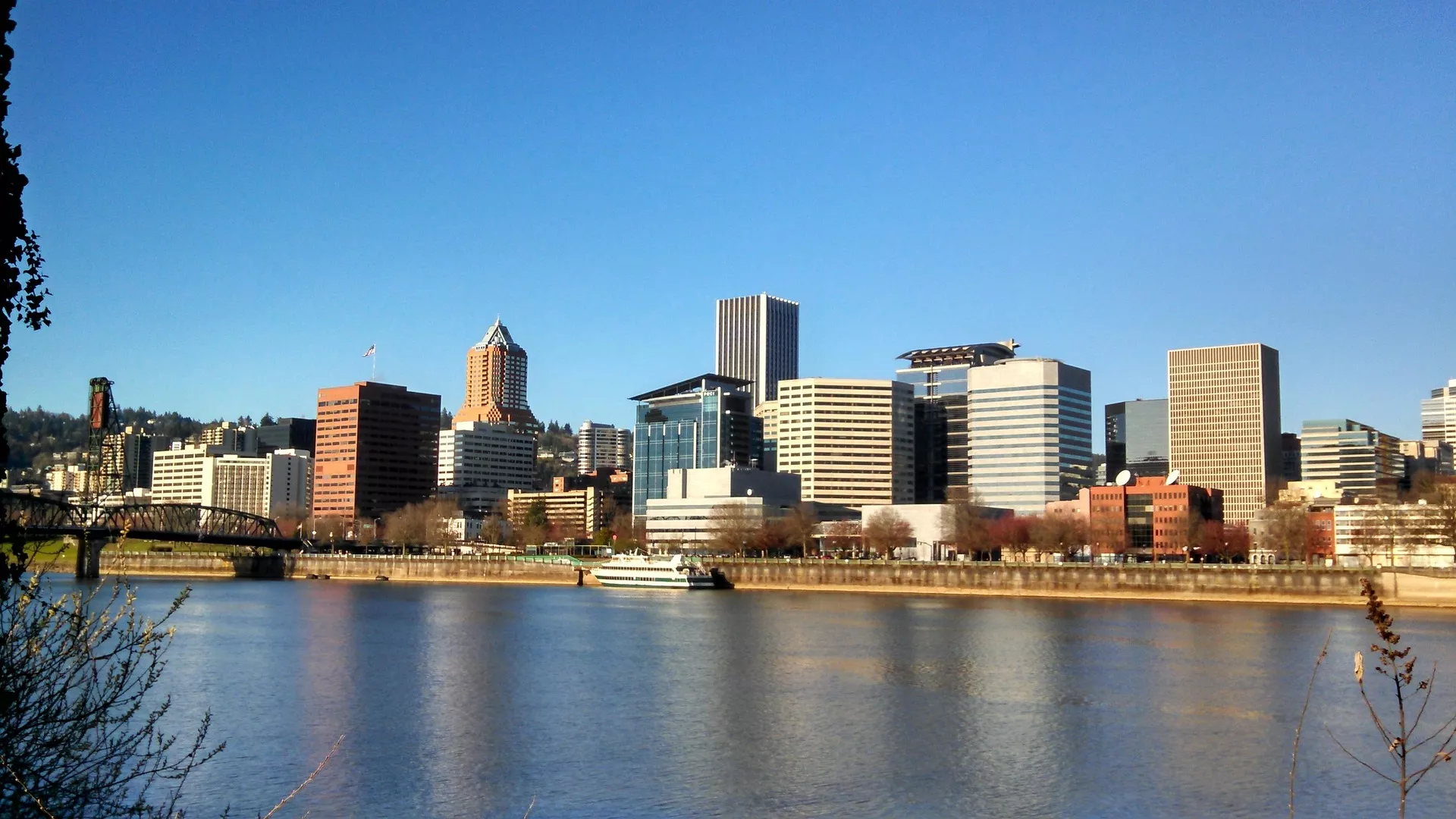
Portland's manageable size means you can visit multiple neighborhoods in a day or over the weekend. Ride the MAX lines during commute hours to experience the reality of your potential daily routine. Walk the commercial streets at different times to gauge noise levels and activity. Check TriMet's trip planner for your specific work address. Commute times vary significantly even between adjacent neighborhoods, depending on transit routes.
The right Portland neighborhood exists for nearly every commute tolerance and lifestyle preference. By prioritizing your commute requirements first, you'll narrow your housing search to areas where you can actually build the Pacific Northwest life you're envisioning, whether that means a bike ride through tree-lined streets or a reliable MAX commute with a good podcast.
At Pacific Relocation, we help newcomers work through these decisions with local expertise and on-the-ground knowledge. Your ideal neighborhood isn't just about minutes on transit. It's about finding where your new West Coast life will thrive.

Keep reading
Related insights from our team to support your relocation journey.
.webp)