
Average Commute Times from 5 Popular Portland Suburbs

When relocating to the Portland metropolitan area, one of the most important decisions you'll make is choosing where to live. While Portland's urban core offers walkability and cultural amenities, many newcomers find that the suburbs provide more space, better schools, and a strong sense of community, all while maintaining reasonable access to downtown employment centers.
Understanding commute times is essential for maintaining work-life balance and ensuring your relocation sets you up for success. Here's what you need to know about commuting from five of Portland's most popular suburban communities.

Located just west of Portland, Beaverton has evolved into a thriving city in its own right, home to major employers like Nike and Tektronix. For those working in downtown Portland, the commute is remarkably manageable.
Average commute time: 25-35 minutes during peak hours, depending on your specific destination. The MAX Blue and Red Lines provide reliable light rail service directly into the heart of downtown, taking approximately 30 minutes from Beaverton Transit Center to Pioneer Courthouse Square. This makes Beaverton particularly attractive for those who prefer public transportation.
Driving on Highway 26 or Sunset Highway offers flexibility but can be congested during typical rush hours (7-9 AM and 4-6 PM). However, many Beaverton residents work locally at the city's numerous tech companies, eliminating the need for a downtown commute entirely. What makes Beaverton especially appealing is its balance of suburban lifestyle with urban convenience. You'll find excellent schools, diverse dining options, and extensive parks while staying well connected to Portland's job market.
South of Portland, Lake Oswego represents the premium end of suburban living. Known for excellent schools, beautiful homes, and the scenic Oswego Lake, this community attracts professionals and families seeking an elevated lifestyle.
Average commute time: 30-40 minutes to downtown Portland during peak periods. The primary route is Interstate 5 northbound, though Highway 43 along the Willamette River offers a more scenic alternative. Traffic can be heavy, particularly where I-5 merges with I-405 near downtown.
Unlike Beaverton, Lake Oswego lacks direct light rail access, making residents more dependent on personal vehicles. However, several express bus lines serve the community, and many residents participate in carpool arrangements. The trade-off here is clear: you're exchanging a slightly longer commute for one of the region's most desirable residential environments. Many Lake Oswego professionals work in fields with flexible schedules or hybrid arrangements, which significantly mitigates commute concerns.

Positioned between Beaverton and Lake Oswego, Tigard offers middle-ground affordability and accessibility. This growing suburb has developed its own employment base while maintaining excellent connections to Portland.
Average commute time: 25-30 minutes to downtown Portland via Interstate 5 or Highway 217. The commute is generally reliable, though I-5 can experience slowdowns during peak hours. The WES Commuter Rail connects Tigard to Beaverton, where riders can transfer to the MAX system for downtown access, though this adds time to the overall journey.
What distinguishes Tigard is its rapid development. The city center has seen significant investment in recent years, bringing more restaurants, shops, and services to the area. This means many daily errands can be handled locally, reducing overall driving time even if your work commute is fixed. Tigard particularly appeals to families and first-time homebuyers who want suburban characteristics without completely sacrificing urban convenience. The housing market offers more variety than Lake Oswego at more accessible price points.
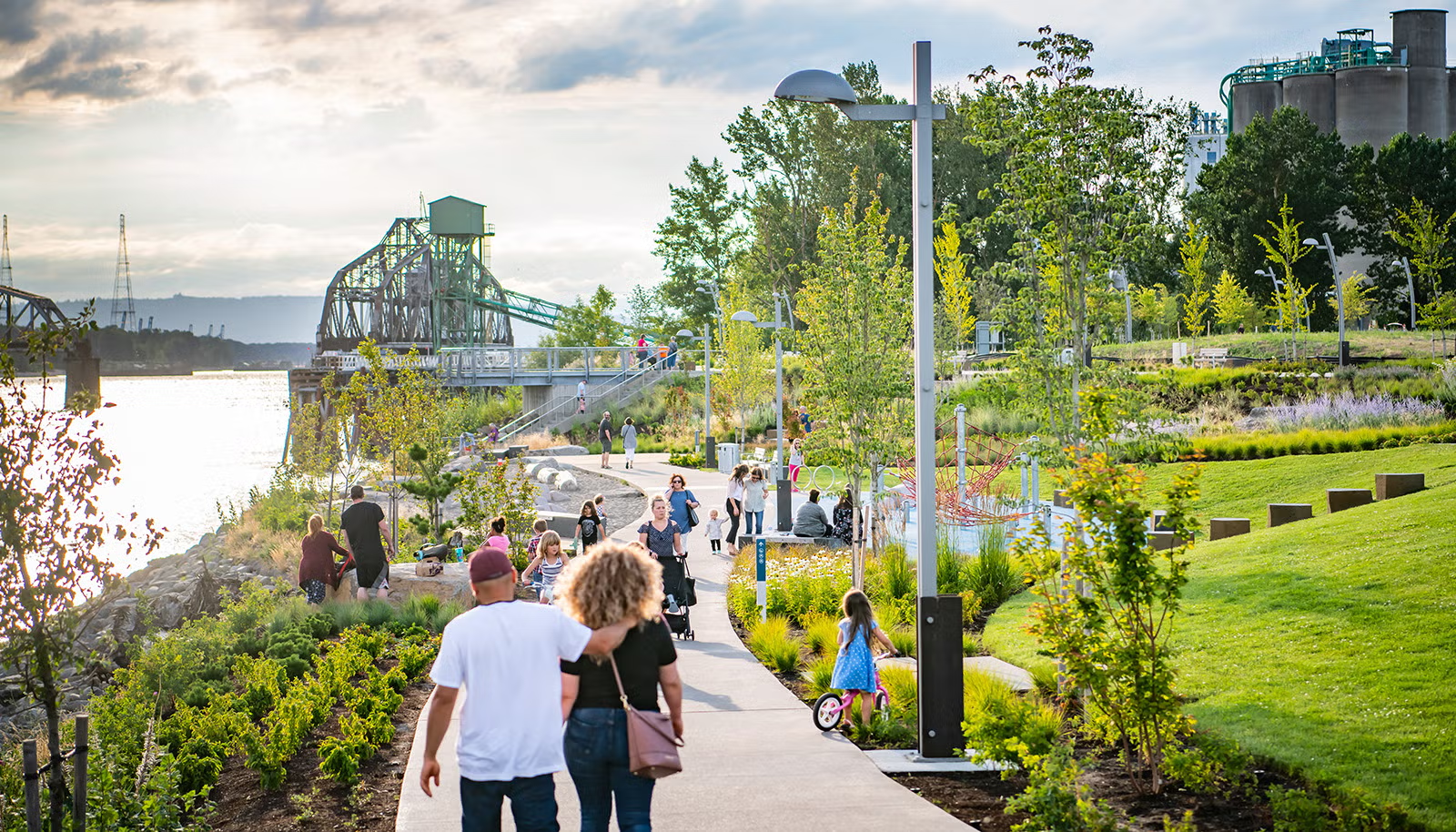
Just across the Columbia River in Washington State, Vancouver presents a unique proposition for Portland-area relocations. The city has grown substantially and offers notably lower housing costs and no state income tax (Washington has no income tax, though you'll still pay Oregon income tax on earnings from Oregon employers).
Average commute time: 35-50 minutes, depending on bridge traffic and final destination. The I-5 and I-205 bridges connecting Vancouver to Portland are notorious bottlenecks during rush hour. Morning southbound traffic and evening northbound traffic can add significant time to your commute.
However, many Vancouver residents have found strategies to manage this. Flexible work hours that avoid peak bridge traffic, hybrid work arrangements, or jobs in Vancouver itself can make this location highly advantageous. The cost savings on housing and the absence of Washington state income tax represent substantial long-term financial benefits for many households. Vancouver also offers its own downtown waterfront development and growing cultural scene, meaning you're not entirely dependent on Portland for entertainment and dining.

The westernmost of these suburbs, Hillsboro, has transformed from agricultural roots into a high-tech manufacturing center. Intel's massive campuses and numerous other tech companies have created substantial local employment.
Average commute time: 35-45 minutes to downtown Portland via Highway 26. This is the longest average commute among these five suburbs. Still, it comes with an important caveat: many Hillsboro residents work locally in the tech sector, making the downtown commute irrelevant for their daily lives.
The MAX Blue Line extends to Hillsboro, providing public transit access to downtown Portland, though the journey takes approximately 50 minutes from the western stations. This makes it better suited to occasional trips than to daily commuting. Hillsboro's appeal lies in its combination of affordability and opportunity. Housing costs are generally lower than in closer-in suburbs, the schools are strong, and local employment options are abundant. For tech workers, living and working in Hillsboro can mean a five-minute commute instead of an hour-long trek.

Choosing the right suburb isn't just about commute times. It's about aligning your daily routine with your lifestyle priorities and career situation. Consider these factors:
The Portland metropolitan area offers a genuine variety of suburban living, each with distinct character and commute profiles. Contact us today at Pacific Relocation. Whether you prioritize the shortest possible commute, the best schools, the most affordable housing, or the right community feel, we're here to help you understand these commute realities and help make sure your West Coast relocation succeeds from day one.

Keep reading
Related insights from our team to support your relocation journey.
.webp)
